What the Voice Note Kept
When distance makes a ceremony arrive late, a two-minute message becomes part of the room.
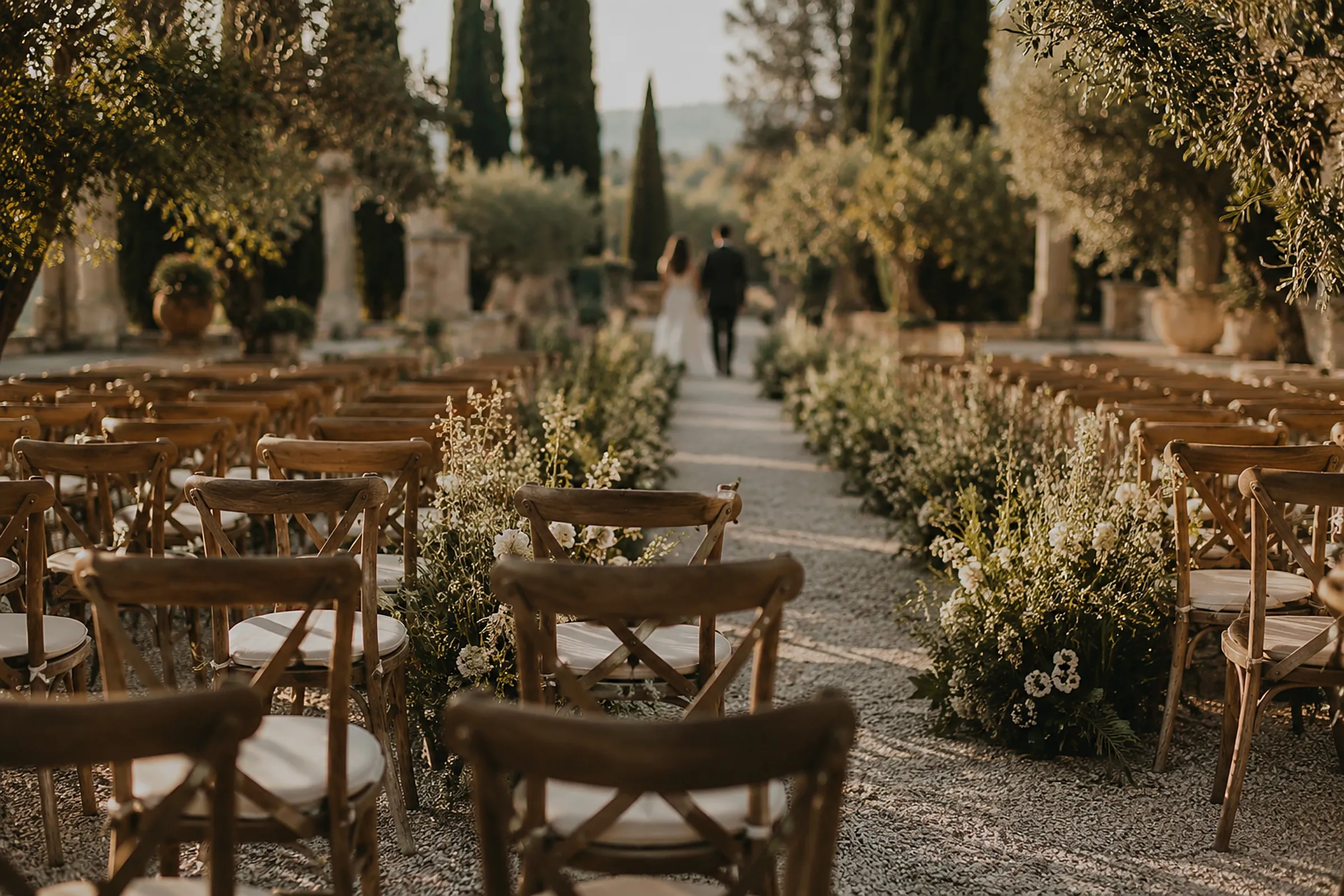
When distance makes a ceremony arrive late, a two-minute message becomes part of the room.
The empty chair was placed on the bride’s side of the courtyard, three seats from the aisle. It was not decorated. This had been deliberate. Her father did not want it to look like a memorial, and nobody wanted a sign that would make guests feel instructed about their feelings. The chair was simply there: cane-backed, pale wood, one of a set hired for the evening. During the day, people set things on it—an envelope, a shawl, a programme—then removed them again. By sunset, it had acquired the alertness of an object people were trying not to notice.
The person meant to sit there was Uncle Ramesh, the bride’s father’s older brother. He lived in Vancouver. In family stories, he was the one who had left early, first for university and then for a life that gathered its own weather: a second marriage, a workshop full of tools, children who called him Dad with an accent no one could imitate correctly. He had been at every important event by some combination of plane ticket, video call, and stubbornness. This time, a medical appointment had made the journey impossible. His brother said he understood. He did not say that understanding was not the same as accepting.
At two in the afternoon, the voice note arrived. It was two minutes and eleven seconds long, recorded on a Tuesday morning in Vancouver while the bride’s father stood in a Saturday afternoon in Jaipur. The first version was too quiet. The second contained a burst of wind and the sound of a car door. The third was clearer, but the beginning had been cut off. The bride listened to all three in the dressing room with her cousin, then pressed the phone to her chest. “It’s very him,” she said. This was both fondness and a complaint.
No one had planned to play it during the ceremony. A voice note is not a speech. It arrives in a pocket, not from a lectern. It has no natural place in the order of things. But when the time came for family blessings, the bride’s cousin placed a small speaker beside the flowers and asked, without ceremony, whether everyone could wait. Her father nodded. The courtyard was full: old friends, new in-laws, children who had been given sweets too early. The first seconds came out thin. Then the sound settled.
Uncle Ramesh did not say anything polished. He apologised for missing the train that would have brought him to the airport. He remembered teaching the bride to ride a bicycle on a street where the neighbours complained about the noise. He said he had watched the photographs of the engagement twice and had opinions about the colour of the flowers, which he would share later. Halfway through, his voice stopped. You could hear him inhale. The pause was longer than anyone expected.
In an ordinary conversation, someone might have jumped in to save him. But a recording cannot be rescued. It asks the room to sit inside its silence. The bride’s father looked down at his hands. Her mother put one palm against his shoulder. A child at the back whispered a question and was gently shushed. Then Uncle Ramesh began again, not with a grand statement but with the only thing that seemed possible: “I am proud of you. I wish I could have been there to see you walk in.”
Afterwards, people did not rush to call it beautiful. The bride took the phone back. Her father went to sit in the empty chair for less than a minute, then stood before anyone could decide whether to watch. The ceremony continued. The food came out. Somebody began dancing with the inappropriate confidence that is the privilege of a close relative. Still, the chair remained in everyone’s peripheral vision. It had changed. It was no longer a place for an absent body. It was a direction from which care had arrived.
At dinner, the bride’s father told the story of the bicycle again, but this time he included the part Uncle Ramesh had left out: the bicycle had belonged to a neighbour, the bride had fallen twice, and her uncle had lied about knowing how to fix a scraped knee. The table listened with the distracted fullness of people who had heard many stories that day. Yet the bride watched her father as if he had just introduced a new character into the family. Distance had made her uncle feel like a voice coming from a different weather system. Her father’s story put him back on the street, beside the bicycle, trying to look capable.
Later, the bride called Vancouver from the corridor outside the kitchen. Her uncle did not answer. She left a message anyway. She said the speaker had worked, mostly. She said the flowers had been more orange than he would have liked. She said the empty chair was still there and that it had become oddly difficult to look at. Then she added, because the recording had taught her something about what could survive awkwardly, “I love you. We missed you. You were here in a way.” She did not know whether that sentence was good enough. It was true, which was more useful.
That is what the voice note kept: not a substitute for presence, which would have been too much to ask, but the grain of a person’s effort. The wind. The bad opening. The moment his voice broke and did not get edited out. Long after the wedding, the bride would tell people that she had saved it in three places. She did not mean because she was afraid of losing the file. She meant because a message like that has to travel too.
Honesty note: This is an original speculative edition of Aura Stories. The people, scenes, correspondence, and narratives are editorial fiction, written to explore the theme of distance in wedding life. They are not reported profiles, and no person depicted is presented as a real couple or guest.
Filed under
This story is part of the permanent collection of Aura Stories — yours to return to, always.
The Issue
The Issue. Twelve weddings a year, in your inbox.
One dispatch a month — the weddings, the makers, the taste behind them. No spam, leave whenever you like.
The conversation
Comments
No comments yet. Be the first to write one.
Sign in to comment