The Ones Who Came Early
At an airport hotel before the rest of the family lands, the first arrivals learn the shape of the week ahead.
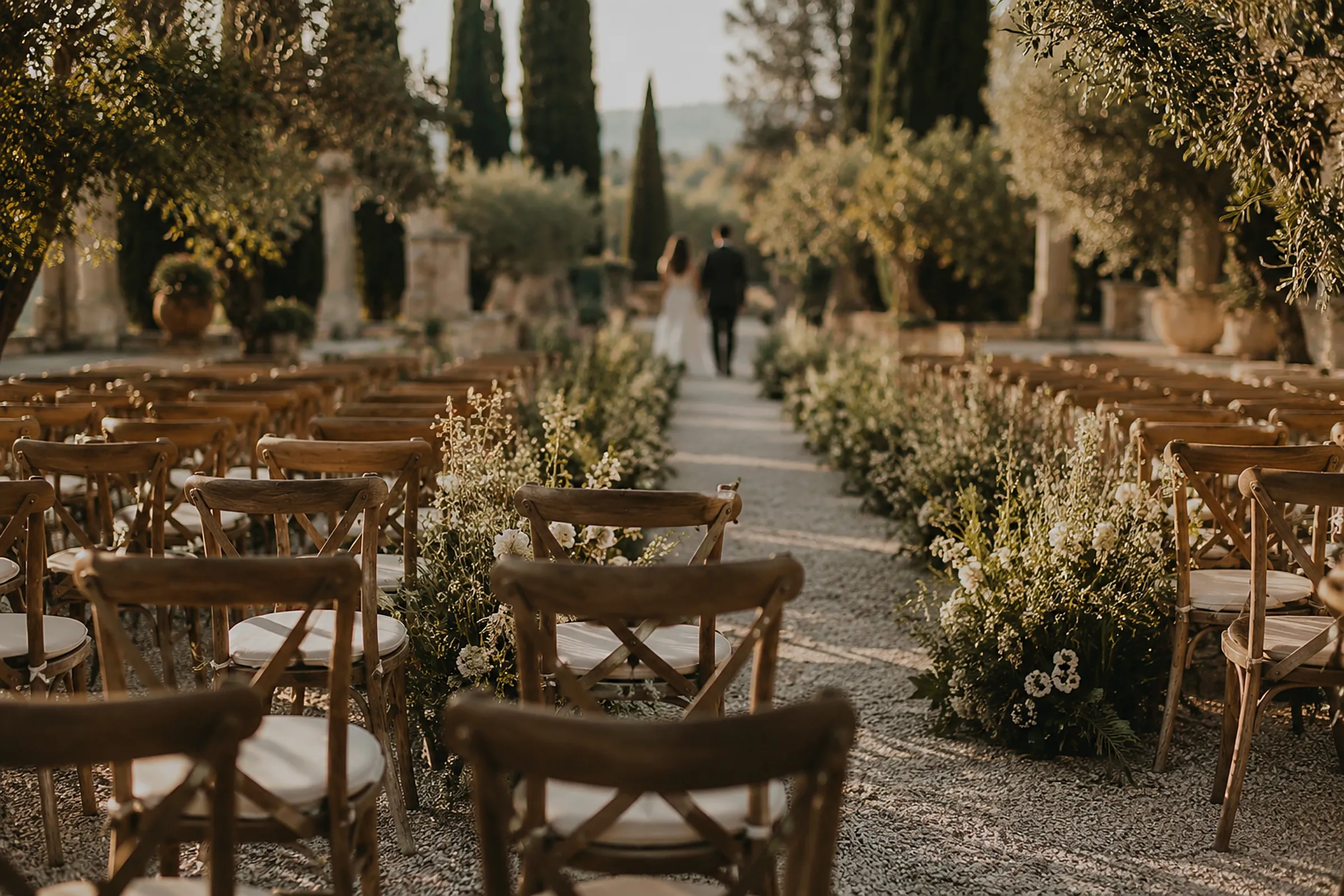
At an airport hotel before the rest of the family lands, the first arrivals learn the shape of the week ahead.
At 4:40 a.m., the hotel lobby held three temperatures: the cold that arrived each time the automatic doors opened, the dry hum of the luggage room, and the particular warmth of an aunt who had been awake since the first flight. Meena noticed the warmth first. She had worked the early shift at the hotel for six years and could identify a wedding party long before anyone said the word. Weddings brought clothing with too much intention in it. They brought adults holding small children and phones at the same time. They brought flower boxes addressed to nobody in particular, last-minute courier envelopes, and people who acted as though the building itself had decided to complicate their lives.
This party began with four people and twenty-one pieces of luggage. There was an aunt in a green shawl, a cousin in a cream kurta that had been slept in, a man called Faisal who kept repeating the terminal number as if the airport might change its mind, and an older woman who sat near the window with a canvas bag on her lap. The older woman did not ask for tea. She only looked at the road. Every time headlights turned into the drive, everyone else looked with her.
The flowers were due at seven. They arrived at five, twelve hours early, in cardboard boxes with ventilation holes cut into their sides. The florist had mixed up the delivery date, then apologised with the desperate generosity of someone whose whole day had gone off course. Meena found water glasses in the breakfast room. The aunt began trimming stems with the hotel scissors, which were not designed for stems and complained at every cut. “It is fine,” she said, though nobody had suggested otherwise. “We have done worse.”
The first flight was delayed. The aunt pretended to be interested in the flowers. Faisal started a group call and accidentally broadcasted the lobby ceiling for several minutes. The older woman finally accepted tea, then held it between both hands without drinking. Meena was polishing the side table when she heard the aunt say, very quietly, “She has never arrived in a city alone before.” It was unclear whether she meant the bride, the delayed niece, or herself. In the lobby, these distinctions did not seem urgent.
Meena had once arrived in a city alone at nineteen, carrying a plastic bag, a telephone number, and the certainty that she was expected somewhere even though she did not know the address. She did not think of that often. Hotels taught you to treat other people’s arrivals as ordinary: people came tired, hopeful, late, drunk, relieved, newly promoted, newly bereaved. You learned not to ask which version of a life had brought them through the revolving door. Still, she recognised the particular way the aunt kept glancing at the drive. It was not impatience. It was the body trying to arrive before the person it loved.
The bride’s mother called from upstairs. Her voice was controlled enough to make everyone in the lobby stand a little straighter. The blouse had a mark on it. The makeup artist had been given the wrong room. Was anyone sure about the driver for the afternoon? The aunt answered each question without giving any actual information. “We are handling it,” she said. After the call, she looked at Meena and said, “I have no idea what we are handling.” Meena handed her a fresh glass for the flowers. It was the kind of help she could offer without trespassing.
By six-thirty, the space had acquired a domestic logic. A charger became shared property. One suitcase became the food suitcase. The hotel’s fruit bowl became a storage place for a corsage. Faisal found a safety pin in his pocket and was treated as if he had invented engineering. The older woman opened her canvas bag and removed a packet of cardamom biscuits, which she passed around without comment. Meena watched strangers begin to call one another by their family roles: auntie, brother, uncle, beta. The names did not always match the legal relationship. They did not need to.
When the delayed flight finally landed, the aunt did not run to the doors. She stood still, one hand holding the half-empty tea cup, and waited until the young woman appeared with her backpack and a face altered by travel. Then everyone moved at once. There was no cinematic embrace. There were questions about baggage, a complaint about the airline, a reminder to drink water, an argument about who had been told what. The young woman cried only after somebody took the backpack from her shoulders. Meena looked away, not because she had not seen, but because she had.
Later, when the lobby had emptied into cars, Meena found one flower stem tucked behind a chair and one biscuit wrapped in a napkin. She put the stem in a small glass by the desk. The hotel would host the reception that evening, and the formal version of the wedding would be photographed in every direction. But she knew the day had begun here, before anyone looked ready: with a room that made space for people to be tired together, and with the first arrival becoming proof that the others could come too.
Honesty note: This is an original speculative edition of Aura Stories. The people, scenes, correspondence, and narratives are editorial fiction, written to explore the theme of distance in wedding life. They are not reported profiles, and no person depicted is presented as a real couple or guest.
Filed under
This story is part of the permanent collection of Aura Stories — yours to return to, always.
The Issue
The Issue. Twelve weddings a year, in your inbox.
One dispatch a month — the weddings, the makers, the taste behind them. No spam, leave whenever you like.
The conversation
Comments
No comments yet. Be the first to write one.
Sign in to comment