There is a moment, before every wedding, when the room starts to fill with people who have been in motion.
On travelling toward the same light
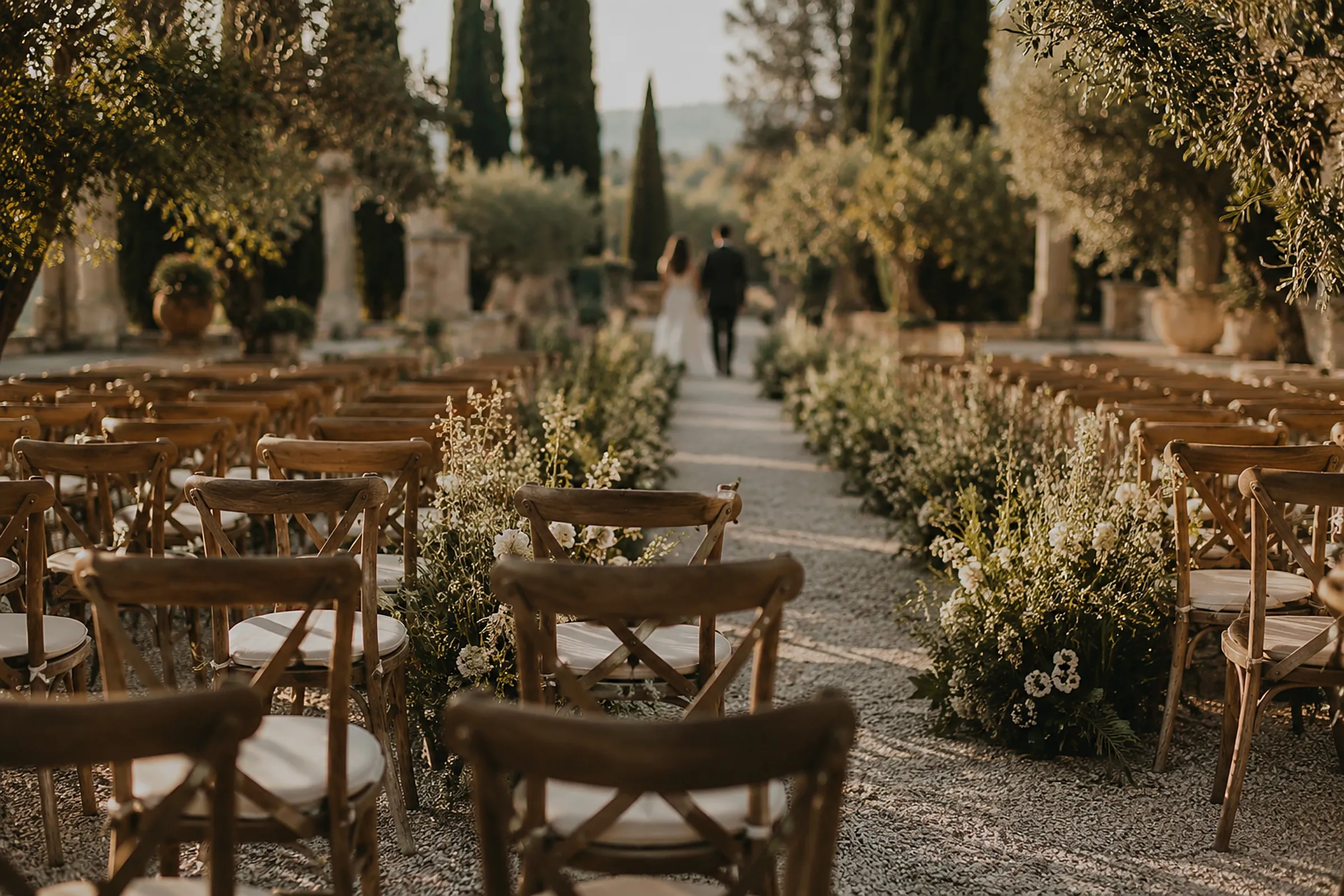
On travelling toward the same light
At 4:47 in the morning, a hotel lobby contains an entire wedding in miniature. There is the person who has checked the arrivals board so often that the letters have become a private weather system. There is the aunt holding a phone charger aloft, trying to identify its owner. There is a bouquet in an improvised glass, three garment bags under a chair, and the particular silence of people who are too excited to admit that they are tired. Outside, a taxi takes a wrong turn and then corrects itself. Inside, someone says, “They’ve landed.” The room changes shape.
We tend to call this logistics. It is an accurate word, and a poor one. Logistics makes it sound as if love happens later, in the better-lit room, once everybody has showered and the ceremony has begun. But a wedding does not start at the altar. It starts in the accumulated effort of getting there. It starts with the friend who changes a shift, the grandmother who travels in stages, the cousins who learn a new airport, the parents who make up an extra bed, the photographer who keeps a meal in her bag because someone will forget to eat. It starts in the small, practical acts by which people announce: your life matters enough for me to cross a distance.
For this edition, we wanted to stay with that fact. Not only the romance of it—the train window, the borrowed room, the first glimpse of a station in another city—but its discipline. Travel costs money, time, sleep, confidence. It asks some bodies for more than it asks others. It can make a person feel newly visible, or painfully foreign. It can turn a family’s history into an itinerary, or reveal the quiet ways an invitation has failed to imagine its guests. The wedding industry is exceptionally good at talking about destinations. We are interested in the people whose bodies make a destination real.
Distance is also never just mileage. It can be language, grief, class, immigration status, a bad year, a changed surname, a train that no longer runs. It can be the empty chair that seems to expand when the music begins. It can be the fact that your parents have lived in different countries for longer than they lived together. It can be an old address, kept in a phone under a name no one uses anymore. When people say a wedding brought everyone together, they often mean that for a few hours, a room was able to hold all of these distances without asking them to disappear.
That is a more tender ambition than seamlessness. Seamlessness has no room for a flight delayed by weather, or the aunt who needs an early cup of tea, or the relative who cannot follow the speeches but understands the laughter. A good gathering has seams. You can see where one habit meets another. You can see where someone has made room. A menu in two scripts. A break in the timeline. A chair turned toward the speaker. A pronunciation written down. The care is not decorative; it is structural. It tells people that they do not have to arrive as simplified versions of themselves.
The stories in this issue are original editorial fiction, but their questions are real. What does a suitcase keep when a family moves more than once? What can a voice note do when a person cannot be in the room? How does a table become hospitable without turning a culture into a theme? What does it mean to travel toward a family you have not met, knowing that by the end of the weekend their recipes, their stories, and their ways of disagreeing will have become part of your own life? We have tried to write toward those questions with patience rather than spectacle.
There is, in every gathering, a modest choreography of arrival. Someone meets someone at the door. Someone takes a coat. Someone says, you must be exhausted, sit down. Someone finds the right word, or makes do with a gesture. This is where the ceremony begins for us: not in the promise that distance has been defeated, but in the decision to answer it. To leave a light on. To set another place. To keep asking, even after the last train has passed: have you found your way in?
Honesty note: This is an original speculative edition of Aura Stories. The people, scenes, correspondence, and narratives are editorial fiction, written to explore the theme of distance in wedding life. They are not reported profiles, and no person depicted is presented as a real couple or guest.
Filed under
This story is part of the permanent collection of Aura Stories — yours to return to, always.
The Issue
The Issue. Twelve weddings a year, in your inbox.
One dispatch a month — the weddings, the makers, the taste behind them. No spam, leave whenever you like.
The conversation
Comments
No comments yet. Be the first to write one.
Sign in to comment