The Blue Suitcase in the Foyer
A bride explains why the one object she kept untouched until after the ceremony was not a dress, but a suitcase.
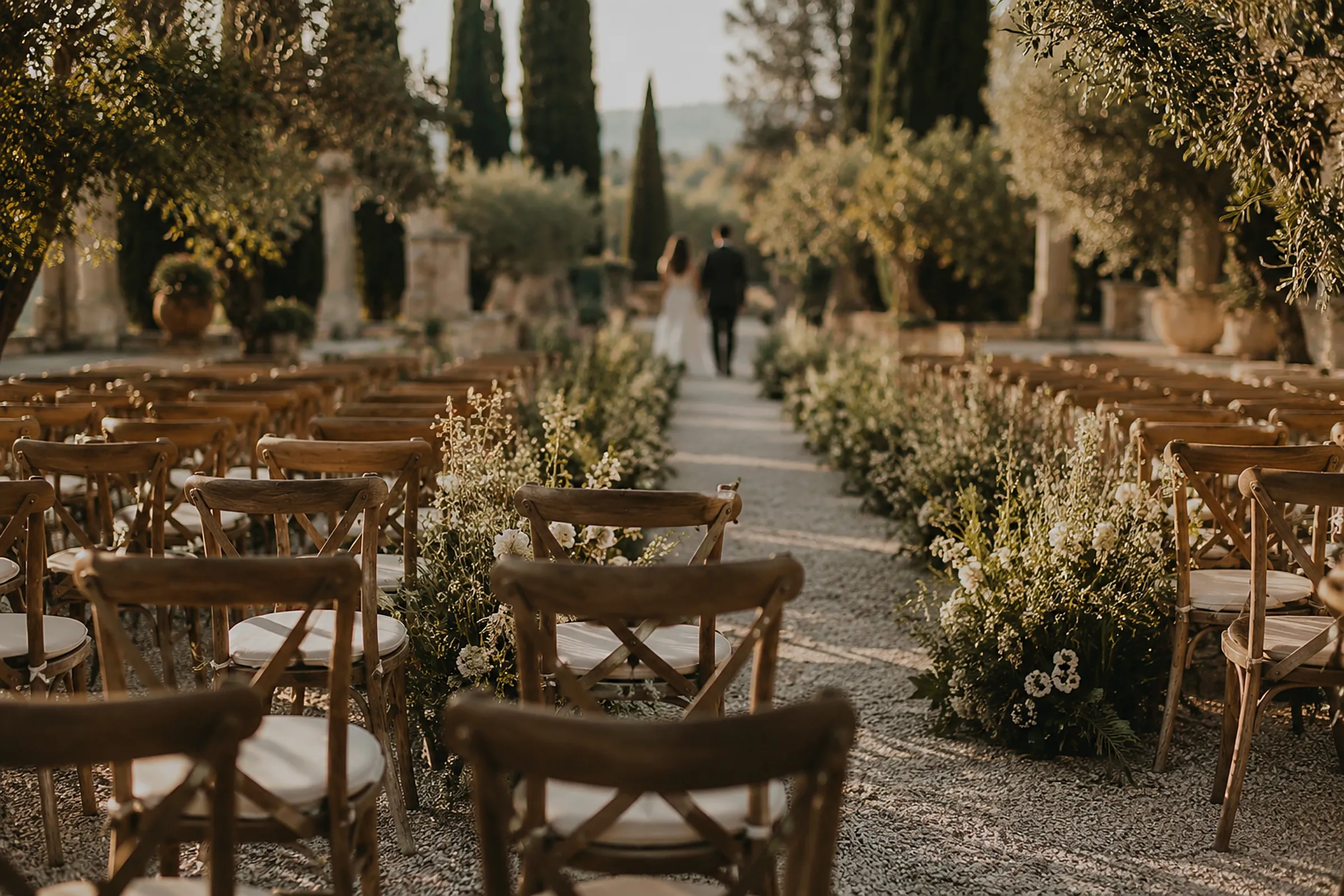
A bride explains why the one object she kept untouched until after the ceremony was not a dress, but a suitcase.
The suitcase stood in the foyer beside the umbrella stand, a little too ugly to be decorative and too deliberate to be accidental. It was blue once. Now it had the colour of a swimming pool seen through rain. One wheel leaned inward. The handle had been repaired with a strip of beige tape that had survived several attempts to remove it. Guests arriving for the ceremony asked whether it was part of the design. The bride, Nisha, would smile and say, “Only if you think our family history has very bad wheels.”
It belonged first to her father. He bought it in Mombasa in the year before he left for Leicester, when he believed he would be away for eight months. He was twenty-four and had packed two shirts, a wool jumper his sister said he would need, a book he never read, and a photograph of his mother that he kept in the inner pocket. Eight months became a year. A year became a job. The suitcase crossed more borders than he did because friends carried it back and forth, full of spices, letters, school uniforms, recordings on tapes, then video cassettes, then whatever object somebody had asked for and could not find where they lived.
By the time Nisha was born, the suitcase had moved into a hall closet. It held extension leads, old plug adapters, receipts, an unused fondue set, the winter blanket nobody liked, and, at the bottom, a neighbourhood of paper. There were train tickets in envelopes. A typed letter from an immigration office. A menu from a cousin’s graduation. A small photograph of her parents in front of a rental car, exhausted and trying to look cheerful. No one had put these things there on purpose. The suitcase simply became the object people used when they could not decide what a thing was for.
When Nisha announced her engagement, her mother opened the case to look for a ribbon and found the original ticket from her parents’ first train journey together in England. It was thin as onion skin. Her father sat down on the stairs when he saw it. “I remember this,” he said, which was not the same as saying he had forgotten. He talked about the cold on the platform, the cheap coffee, the fact that he had been afraid his accent would make people impatient with him. Nisha had heard versions of the move before. She had never heard the fear.
The suitcase came to the wedding morning not as a display of migration, a word Nisha was wary of turning into a moodboard. It came because she wanted the object near the door. The foyer was where people entered, where they checked their coats and names and invitations; it was where the day began admitting the outside world. Inside the case she placed nothing new. There were her mother’s gloves, a school prize ribbon, the old train ticket, a photograph, an address book, and the small brass key to the first flat her parents had rented. She did not label anything. She did not ask anyone to look.
Of course, people did. Her father’s oldest friend opened it before the ceremony, then shut it immediately and apologised. Her aunt stood over it for a long time, picked up the address book, and said, “Oh, that’s Auntie Farah’s handwriting.” A younger cousin asked why there was a plug adapter in the middle of a wedding. Nisha told him it was because every family has objects that make connection possible, though she suspected he was too young to find that answer acceptable.
The most surprising person was Arun’s grandmother. She had never met Nisha’s parents before the engagement. After the ceremony, she stood by the suitcase with one hand on its worn handle. “My mother had one like this,” she said. “Not blue. Brown. She kept everyone’s letters in it.” Then she told a story about moving from one town to another after her father’s death, and how, for years, she could not open the case without smelling the old house. It was the longest Nisha had heard her speak all weekend.
Nisha noticed her father listening from the other side of the foyer. He had been anxious all morning, not in the loud way that made other people anxious, but in the narrow, efficient way that made him check the same detail twice. The suitcase seemed to give him permission to stop performing competence. He joined the conversation and asked Arun’s grandmother what happened to the brown case. “It fell apart,” she said. “My sister made cushions out of the lining.” This was such a practical, unceremonious ending that everyone laughed. Nisha loved it for refusing to make an heirloom of something merely old.
That was when the foyer began to feel less like an exhibit and more like a room. The case did not explain anyone’s history. It did not close the distance between families who had only just begun to learn each other’s jokes. It gave them an object to speak around. For a few minutes, people who might otherwise have exchanged only compliments were telling one another what they had carried, what they had lost, and which things their mothers had refused to throw away.
At the end of the night, Nisha did not take the suitcase upstairs. She left it by the door until morning, its lid open, the household contents of several lives catching the low light. Her father found her there before breakfast. “Are you going to keep it?” he asked. She looked at the bent wheel, the frayed lining, the tape that would never come cleanly away. “Yes,” she said. “But I think it needs a new job.”
He nodded, as though this were an important administrative decision. Later, when they packed for the honeymoon, she put a clean shirt, a book, and the address of a restaurant into it. Not because the suitcase needed redeeming, and not because leaving was the same as returning. She did it because the object had taught her something useful: a home is not only what you preserve. It is also the container you keep making room inside.
Honesty note: This is an original speculative edition of Aura Stories. The people, scenes, correspondence, and narratives are editorial fiction, written to explore the theme of distance in wedding life. They are not reported profiles, and no person depicted is presented as a real couple or guest.
Filed under
This story is part of the permanent collection of Aura Stories — yours to return to, always.
The Issue
The Issue. Twelve weddings a year, in your inbox.
One dispatch a month — the weddings, the makers, the taste behind them. No spam, leave whenever you like.
The conversation
Comments
No comments yet. Be the first to write one.
Sign in to comment