What the flowers are allowed to become
Eleven arrangements, one Sunday, and a florist's note that says you do not have to rescue all of it.
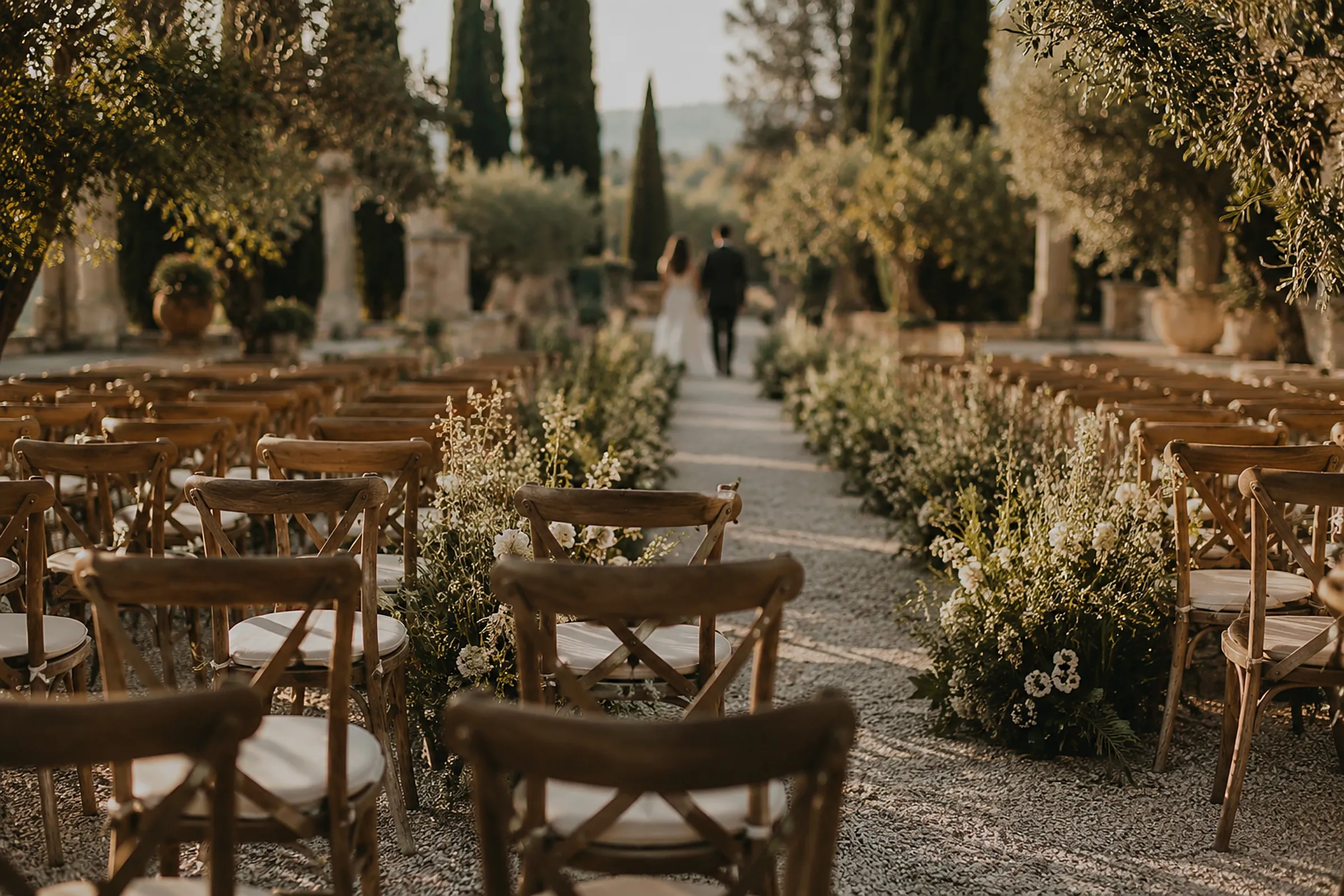
Eleven arrangements, one Sunday, and a florist's note that says you do not have to rescue all of it.
By Sunday afternoon there were eleven arrangements in the rented kitchen, and nobody had decided they should be there. June had brought them back from the hall in two trips because the florist's van was collecting the hired vessels on Monday at nine, from the house, and the hall needed the room cleared by eight. The flowers themselves were not hired. They had been paid for once, in June's words, and were now simply happening.
Elin stood at the door of the kitchen and counted. Four tall white vases of stocks and garden roses from the long tables. Five low bowls of ranunculus, the colour of peaches, that had sat between the candles. The arch flowers, lifted off their frame and laid on the counter in a wet sheet like something recovered from a river. And the bouquet, in the sink, in the only jug the house owned. The room smelled of water that had been standing too long and of something sweeter underneath it, which she realised was the stocks beginning to go.
Theo wanted to keep the bouquet. He said it plainly, which she appreciated, because the day before every preference had come wrapped in a question. He wanted to hang it upside down from the curtain rail, the way his sister had, and let it dry into the brittle version that would sit in a box for twenty years. Elin looked at the roses, already heavy at the neck, and thought that she did not want twenty years of a thing that had been perfect for four hours. She did not say that yet. She said, 'Let's decide about the ones that are going first.'
The florist, Hana, had sent a message that was kind and exact. The vessels were listed: four tall cylinders, five footed bowls, one frame, two buckets. They were to be emptied, rinsed and left by the door. The flowers were theirs to keep, compost, or give away, and she added a line that Elin read twice: 'Stocks will be gone by tonight. Ranunculus has two days. The roses will hold if you cut the stems and change the water. Don't feel you have to rescue all of it.'
They began with the stocks because the stocks had made the decision for them. Theo carried the four tall vases to the back step and pulled the stems out in wet handfuls while Elin held a bin bag open. The flowers had been the height of the room last night. On the step they were a heap, green and white and bruising, and it took less than ten minutes to make them disappear. The vases were heavier empty than she expected. She rinsed them at the outside tap and lined them by the door, and the first item on Hana's list was done before either of them had said anything about what the flowers had meant.
The ranunculus were harder because they still looked like themselves. June came downstairs with her coat on and said the woman at the grocery shop on the corner had asked, that morning, whether there would be any flowers going spare. She had not asked for them. She had asked whether there would be any. Elin lifted two bowls' worth of stems into a pair of jam jars from under the sink, because the bowls were Hana's and on her list, and walked them down the road in her hands, water slopping over her wrists, and the woman put them on the counter beside the till without ceremony and said they were lovely and went back to the crates. It was the least sentimental exchange of the weekend, and Elin walked back lighter.
The caretaker at the hall took a third bowl's worth in a pint glass for the office. A neighbour whose name they did not know took a fourth, wrapped in wet newspaper, after Theo knocked and explained, and asked whether they had been the wedding on Saturday, and said she had heard the band. The fifth bowl stayed full on the kitchen table until Monday morning because June said someone should get to look at them, and that was a reason too.
That left the arch and the bouquet. The arch flowers were too many to give to anyone and too beautiful to put in the bin while they were still open. Theo found the compost bin behind the shed. They carried the sheet out between them like a stretcher and tipped it, and the eucalyptus and the last of the roses went in on top of the landlord's grass cuttings. Elin had expected to mind. She found that she minded less once they were in a place where they would become something, rather than in a kitchen where they could only become less.
Then the bouquet. She lifted it out of the jug and held it the way she had held it on Saturday, lower than she meant to, because the photographer had kept asking her to raise it. It was already a different object. The ribbon was damp. One of the roses had opened so far it had nothing left to do. She asked Theo what he would actually do with it, dried. He said he would look at it sometimes. She said she would rather look at one stem than at all of it going brown together. He thought about this. He said, 'Can I have the ribbon?'
So they did both, badly and well. Theo untied the ribbon and put it in his jacket pocket, where it would stay for a month. Elin took one rose, the one that had held its shape, cut the stem short and laid it inside the expired calendar on the kitchen wall, between July and August, under the weight of a saucepan. The rest of the bouquet went into the compost with the arch, and she did not watch it go. Hana's buckets were rinsed. The four footed bowls that had been emptied were rinsed, and the fifth would be emptied at breakfast. The frame leaned by the door with its wire still showing where the stems had been.
On Monday at nine a van arrived and a young man with a clipboard counted the vessels against the list, found them all, and drove away without asking what had happened to the flowers. That was the correct question not to ask. The flowers had been paid for, and then they had been given a Sunday, and then they had been allowed to end. On Tuesday, when the house was empty of everything that was not theirs, the kitchen still smelled faintly of stocks. By Thursday it smelled of the house again.
The rose in the calendar was flat and dark by the time they found a frame for it, and it looked like nothing a florist would have sent. Elin kept it anyway, not because it was beautiful but because it was the one decision about the flowers that had been entirely hers. Theo kept the ribbon in a drawer with the baker's note. Neither of them kept the smell, which was the part Elin remembered most and which she had not been offered the chance to save.
Editorial note: Edition Fifteen is an original editorial work of fiction. Elin, Theo, Gianna Reed and every other person and conversation are imagined, not interview subjects. Generated images are illustrations, not documentary photographs. This manuscript is a new editorial revision of the original issue.
Filed under
This story is part of the permanent collection of Aura Stories — yours to return to, always.
The Issue
The Issue. Twelve weddings a year, in your inbox.
One dispatch a month — the weddings, the makers, the taste behind them. No spam, leave whenever you like.
The conversation
Comments
No comments yet. Be the first to write one.
Sign in to comment