The first morning belongs to no one else.
There is a small hour after the wedding in which no one is dressed for anything, no one is waiting for an entrance, and the day is finally allowed to tell the truth.
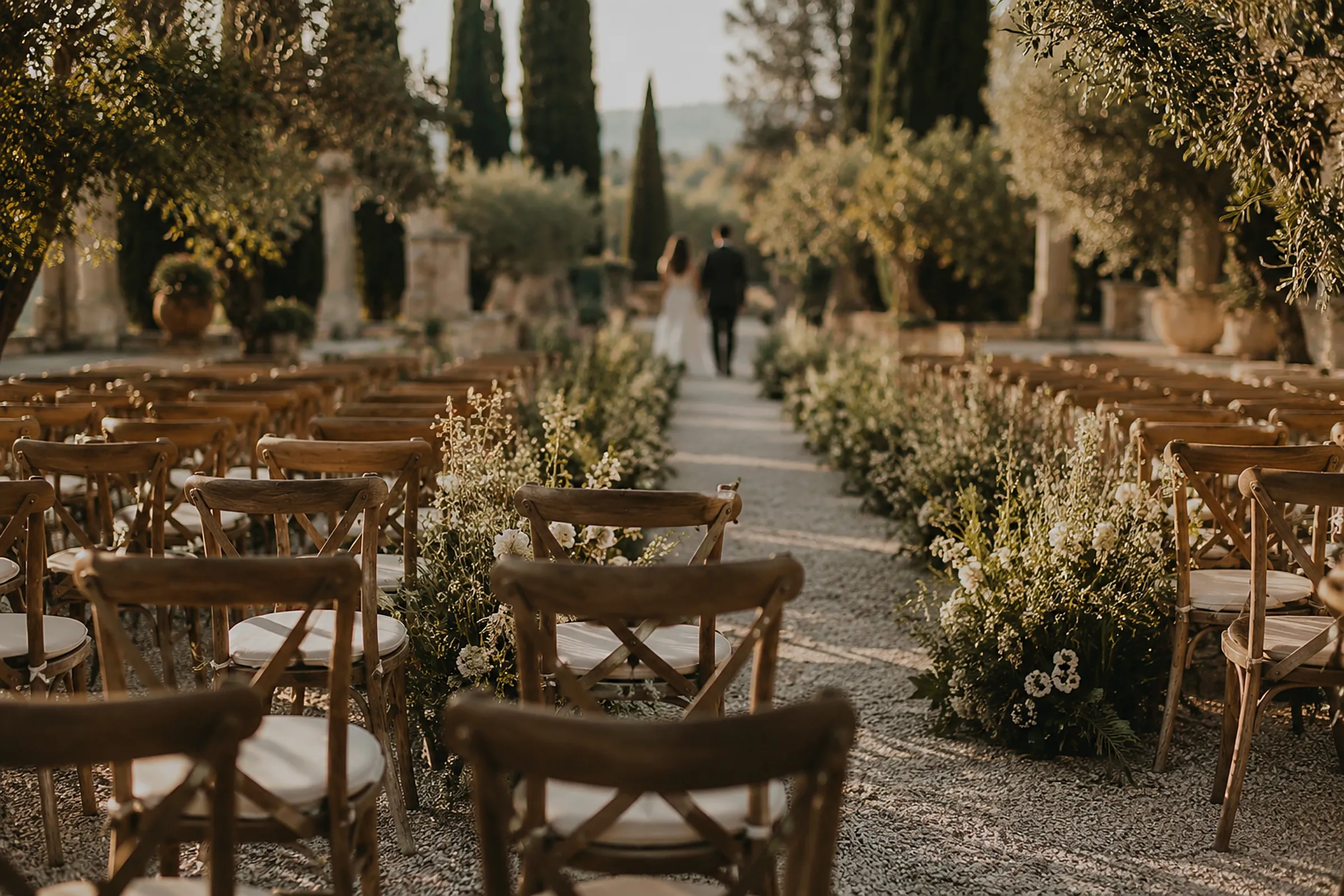
There is a small hour after the wedding in which no one is dressed for anything, no one is waiting for an entrance, and the day is finally allowed to tell the truth.
At 7:38, the water glass on the bedside table held a pale blue square of sky. Elin had left it there when she came in from the wedding, beside a hairpin and a rose whose head now leaned towards the wood. She woke looking at it, without moving. Somewhere beyond the open window a delivery driver was reversing. The three short beeps sounded more useful than the music that had followed her into sleep.
Theo was awake too. He was sitting against the headboard, holding his phone low so the screen would not light her face. A cousin had sent a video of their entrance. He watched the moment when Elin reached for his hand before the doors opened, then watched it again. She could hear the first second of the song each time he restarted it. Last night she had loved that sound. This morning she wanted him to turn it off.
She said, "Could we have ten minutes without it?" Theo stopped the video immediately, which made her feel both grateful and accused. He put the phone face down. He had expected them to wake inside the same feeling: elated, or tired, or amused by how much had happened. Instead she wanted to be out of sight and he wanted one more look. They lay beside each other in the little rented room, embarrassed by a difference too ordinary to have anticipated.
The house belonged to neither family. They had rented the upstairs rooms for two nights because it was a short walk from the hall, and because the kitchen looked as though someone actually cooked in it. There were pans with darkened handles, a calendar six months out of date, and a cupboard that had to be lifted slightly before it would close. Theo had noticed these things on arrival and felt at home. Elin had noticed how many keys they would have to return.
On the chair by the door her dress was folded over a clean towel. They had meant to hang it, but neither of them could find a hanger wide enough, and at half past two folding seemed kinder than another search. Theo's shoes stood under the chair, one pointing towards the door and one towards the bed. Nothing in the room was arranged for a photograph. Elin took some pleasure in that until her phone began to vibrate against the floor.
Her sister, June, had three messages about the breakfast downstairs. Their parents were arriving at nine. The photographer had offered to stop by for a few informal pictures. Was the dress still accessible? Had anyone seen the small blue envelope containing the vows? Elin read the messages in order and felt the day acquire an audience. She had agreed to breakfast weeks ago. In her mind it had been coffee and whatever was left. Apparently it now had a time, a dress, and someone bringing a camera.
Theo saw her expression and asked whether she wanted him to cancel it. The offer was well meant, but it skipped over something she could not yet explain. She wanted to see her father before he left. She wanted to thank June. She also wanted not to come down a staircase while people looked up. If Theo cancelled everything, her wish for privacy would become a refusal of people she loved. If she said nothing, the morning would continue as an extra page of the wedding programme.
Before either of them answered June, a different message arrived. The hall caretaker had found two boxes near the service door. One contained the little cards guests had written for them; the other contained rented candleholders that the collection driver expected at ten. A loose envelope was tucked among the cards, but he could not tell whether it mattered. He was opening another room at eight thirty and needed the passage clear. Could someone collect the boxes? Elin sat up. The blue envelope was probably there.
Theo said he would go. Elin said she would come. He asked why, then regretted the question when she looked away. She did not think he would lose the boxes. She wanted to be present when the night was handed back to them. The vows were written on two different kinds of paper: hers on the thick cards she had bought, his on a page torn from a notebook. He had laughed when she suggested copying his neatly. She had kept the uneven edge. Until the caretaker's message, she had forgotten where they put either one.
They dressed in yesterday's ordinary clothes and went downstairs to look for coffee. The machine had four buttons and no instructions. Theo pushed one, heard a pump begin, and discovered that the mug was under the wrong spout. He moved it too late to avoid a brown crescent on the counter. Elin fetched a cloth. He apologised for the spill, and she said she was glad something had happened that no one needed to preserve. He smiled, though he did not quite know whether the joke included his video.
Over the sink she wrote to June. Breakfast, yes; photographs, no. They would come down at nine thirty if their father could stay, and the dress would remain upstairs. Theo read the message when she held it out. He asked whether she wanted to add that he would send the entrance video later. She said, "You can send it now if you want. I meant the room, not everyone." The distinction relieved him. They had been trying to settle a feeling when what they could settle was the use of a place.
June replied that their father had already left his bag in the kitchen and could wait. The photographer would be told not to come. Then she asked if they were annoyed with her. Elin began a long answer and erased it. She sent: "No. We made the morning sound simpler than it was. We need it smaller." It did not describe every source of her fatigue. It was enough for June to act on. A minute later a photograph arrived of their father sitting at the table with his coat still on, reading the expired calendar.
The walk to the hall took twelve minutes. In the daylight the route had none of last night's importance. They passed a grocery shop unloading crates and the corner where a friend had insisted on taking a picture of them under the streetlamp. Theo pointed at the lamp. Elin remembered that she had been laughing so hard she could not stand still. This was something she wanted to remember. She told him so. He said that the video mattered to him because he had been frightened before the doors opened, and had not known until he watched it how clearly she reached for him.
At the hall, the caretaker had put the boxes on a trolley. He had already moved them out of the passage, but stayed to ask which were theirs because the rental label had come unstuck. Theo checked the packing list on his phone. Elin opened the box of cards and found the blue envelope between a child's drawing and a sheet covered in names. The caretaker did not ask them to read anything aloud. He handed Theo a roll of tape and showed him where to put the collection label so the next driver could see it.
There was one complication. The candleholders were meant to stay at the hall for collection; the cards were meant to leave. One small rented base remained among the envelopes after two had been separated overnight. They spread a towel on the trolley and sorted the contents together. Theo read the list while Elin checked the corners of the box. A card opened in her hand. "Please have dinner with us when there isn't a wedding," an old friend had written. She showed it to Theo, then put it back without taking a picture. The invitation could wait; the rental label could not.
By the time they finished, the caretaker had unlocked the next room and a woman was carrying in folded tables. They thanked him and left the correct box by the marked door. It was not a dramatic rescue. No one had failed them; several people had been working with imperfect labels at the end of a long night. Still, the errand changed the scale of the morning. What remained of the wedding was not all theirs to linger over. Some of it belonged to another booking, a collection route, and somebody else's working day.
Back at the house they put the cards upstairs before joining breakfast. Elin slipped the envelope into the drawer beside the bed. Theo asked if she wanted to read the vows again. She said later. He said he would like to, and left it there. At the kitchen table her father had taken off his coat. June had bought bread and was dividing it with a knife too small for the loaf. There were no flowers between the plates, and no plan for where anyone should sit.
Breakfast lasted less than an hour. Theo told the story of the misplaced bases because it was funny once the right driver could find them. Elin listened while her father described his journey home. Once, June lifted her phone towards the table and then put it down without asking. Elin noticed and touched her arm. Privacy, she found, did not have to arrive as a locked door. Sometimes it was a small agreement someone else remembered to keep.
When they went upstairs again, the square of sky had moved out of the water glass. Theo filled it from the tap and set a second glass beside it. Elin sat on the edge of the bed while he opened the blue envelope. This time she asked to see the video first. Not because she had recovered the right mood, or because the morning had become perfect. She wanted to see the hand he had been watching. They could choose when to return to the celebration. For a few minutes, that was the part that belonged to them.
Editorial note: Edition Fifteen is an original editorial work of fiction. Elin, Theo, Gianna Reed and every other person and conversation are imagined, not interview subjects. Generated images are illustrations, not documentary photographs. This manuscript is a new editorial revision of the original issue.
Filed under
This story is part of the permanent collection of Aura Stories — yours to return to, always.
The Issue
The Issue. Twelve weddings a year, in your inbox.
One dispatch a month — the weddings, the makers, the taste behind them. No spam, leave whenever you like.
The conversation
Comments
No comments yet. Be the first to write one.
Sign in to comment