Who empties the room
On the intimate, invisible labour of packing up a celebration.
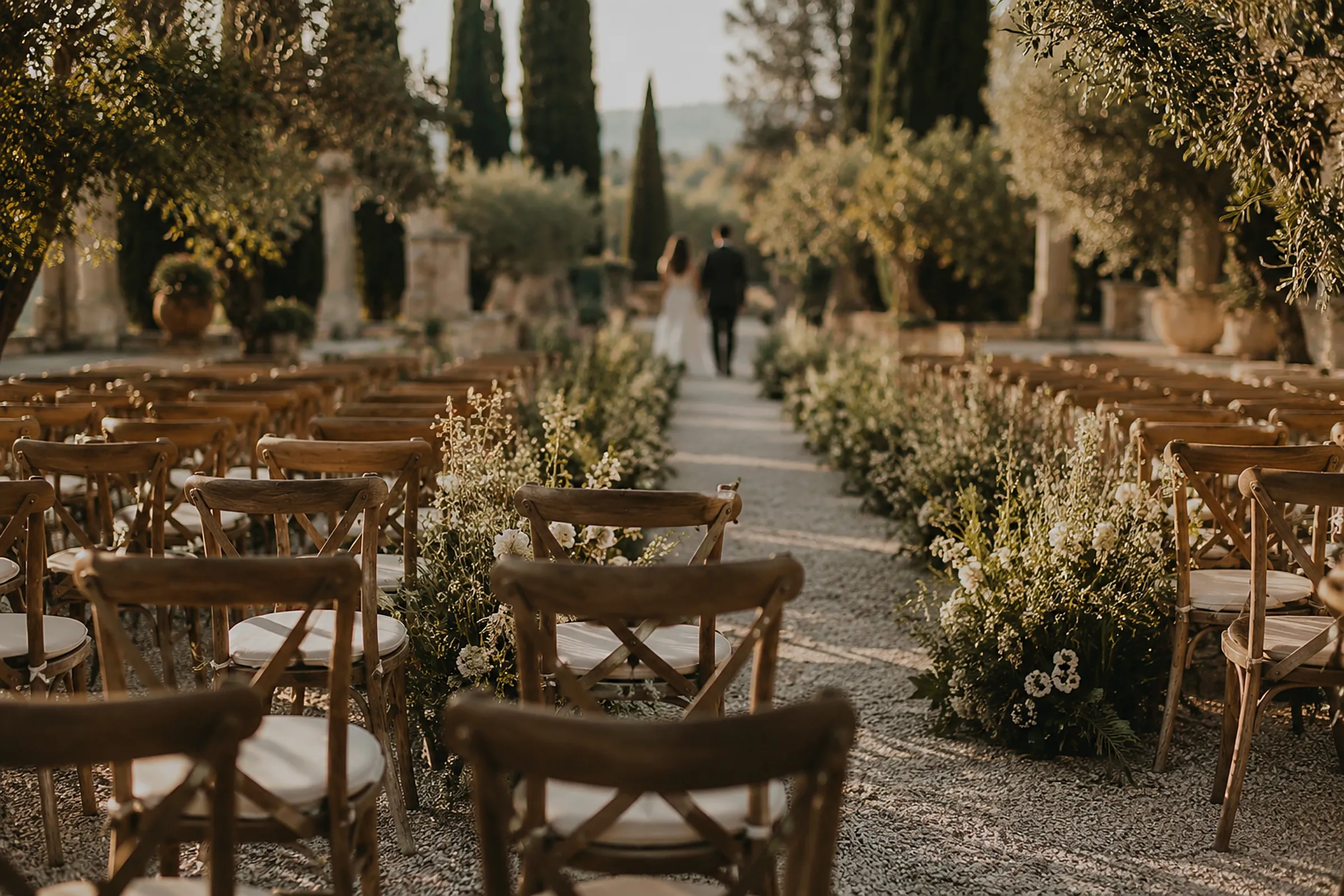
On the intimate, invisible labour of packing up a celebration.
At 1:42, Gianna Reed put the hall clock beside the collection sheet on her phone. She was the fictional coordinator of this wedding, not a planner whose career we had interviewed or verified. In the room we imagine here, the guests had gone and the hired chairs still had to reach the loading door by two thirty. There were three workers left on her team. One, Tomas, had a bus at two twenty. Their agreement included transport home if a late finish made him miss it.
The room could not simply be emptied from one end to the other. A florist was counting vessels along the window wall. The sound technician needed a clear path to the electrical cupboard before he could disconnect his equipment. Outside, the collection van was behind another van whose driver had gone to find the caretaker. Gianna asked the team to start with the chairs nearest the doors. Clearing a route would make every later task less dependent on somebody stepping aside.
No one had eaten since the early service meal except Tomas, who had bought a sandwich and not finished it. Gianna told him and Aya to take ten minutes while she checked the bar. Aya said the break would put them behind. Gianna said she was checking the order of the work, not asking whether hunger had become convenient. Aya took the sandwich half Tomas offered her and sat on the low step outside. It was a small break, paid for in the schedule rather than in a speech about how much the team mattered.
At the bar, the last cousin was collecting a coat. He asked whether he could take one of the arrangements for his mother. Gianna checked the florist's labels: the flowers could go, but the low glass bowl could not. The cousin had already put it in a tote bag. She asked him to remove it and brought over paper for the stems. He was embarrassed, then irritated that she had stopped him over a bowl. She let him be irritated. A hired object did not become a gift because the party had ended beautifully.
When Aya came back, she found a small brooch under a chair. It was silver, shaped like two overlapping leaves, with a bent pin. On the guest table earlier she had seen Elin's aunt fasten something similar to a scarf. She brought it to Gianna, who put it in a clean envelope and wrote where and when it had been found. There was no immediate reply to the contact number. Gianna did not know whether the brooch was valuable or simply familiar. She could preserve a route back to its owner without deciding which kind of value counted.
The family had left a box for cards and keepsakes, but its lid was missing. Beside it were loose envelopes and three candleholder bases. Aya began putting everything into the box. Gianna stopped her. "Separate the hire pieces first," she said, then had to answer a question at the loading door before they finished. By the time she returned, two bases had been separated and several envelopes had been gathered. The brooch envelope went into the locked cupboard with the caretaker's written receipt. The general keepsake box stayed by the service door for morning collection.
This was where attention could become an unlimited job if nobody named an end. Gianna could search every chair for another brooch, telephone every family member, or wait until someone answered. She had a team finishing a booked shift, a caretaker responsible for the building, and the collection driver asking which equipment was ready. She asked Aya to check the remaining seats once. Then she sent a message naming the cupboard, the receipt, and the caretaker's opening time. The family could follow that information in daylight.
At two ten the sound technician asked for help getting a case down the step. The chairs were ready, but the collection van was still blocked. Tomas offered to stay because moving the case was quicker with two people. Gianna looked at the clock and asked whether he was choosing to miss the bus. He said he had not thought that far ahead. She told him to finish the stack he was holding and leave at two fifteen. She and Aya could move the case with the technician. More hands would have been useful. Keeping a worker's departure usable mattered too.
The van driver finally came inside at two eighteen. He could take the chairs first or the linen first, but not both without rearranging his load. Gianna chose the chairs because they blocked the only safe route to the remaining tables. The linen would stay in the marked corner for a separate morning collection already included in the booking. The choice meant the caretaker would inherit a room that was cleared, not empty. She showed him the collection label rather than promising that nothing would remain for him to notice.
By two forty, the room looked almost ordinary. Aya wanted to take a picture of it before leaving. Gianna said yes, provided no guests' cards or found objects were visible. They moved the keepsake box out of the frame. In the picture, the long windows reflected the empty floor and one chair still stood against the wall. That chair was the hall's, not the hire company's. Knowing why something remained was more useful than making the room look perfectly finished.
Gianna checked the transport booking, wrote down Aya's extra paid time, and gave the caretaker the final list. The brooch was in the cupboard; the linen was waiting for collection; the keepsake box was near the marked door. She could not guarantee that no small item had escaped them. She could say what they had checked and who now held each responsibility. Before leaving, she sent the family one message with those details instead of a stream of late-night questions. The room no longer needed their attention immediately. The people who had emptied it were allowed to go home.
Editorial note: Edition Fifteen is an original editorial work of fiction. Elin, Theo, Gianna Reed and every other person and conversation are imagined, not interview subjects. Generated images are illustrations, not documentary photographs. This manuscript is a new editorial revision of the original issue.
Filed under
This story is part of the permanent collection of Aura Stories — yours to return to, always.
The Issue
The Issue. Twelve weddings a year, in your inbox.
One dispatch a month — the weddings, the makers, the taste behind them. No spam, leave whenever you like.
The conversation
Comments
No comments yet. Be the first to write one.
Sign in to comment