Returning what we borrowed
A borrowed pair of earrings, a promise with a date, and shoes that may take another route.
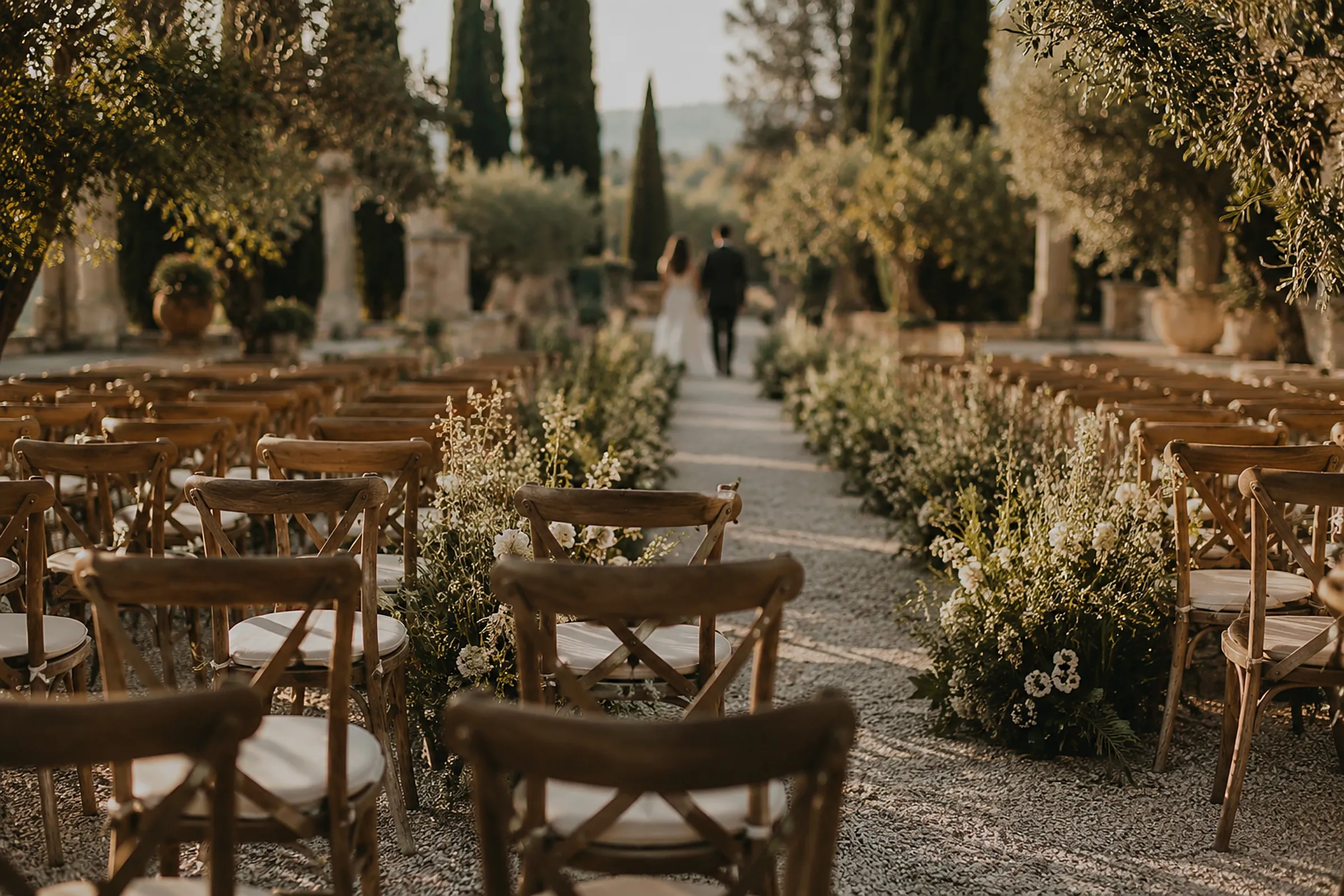
A borrowed pair of earrings, a promise with a date, and shoes that may take another route.
On Tuesday, Elin took the borrowed earrings out of the blue-lined box and set them beside the wedding shoes she had bought herself. The earrings belonged to her aunt Nessa. They were small gold hoops with a fastening Elin had practised opening before the wedding, frightened of bending it. The shoes had left a red mark on her heel. She remembered feeling elegant in both. Now one pair needed to go back and the other needed a decision.
Nessa had lent the earrings without asking Elin to make them part of a family tradition. She said they would suit the dress and that she would need them for a friend's celebration the following weekend. Elin had agreed to return them by Thursday. In the weeks before the wedding, that date seemed distant and tidy. Afterwards, with cards still spread over the kitchen table and a rented suit waiting by the door, it seemed to have arrived before she had finished being their temporary owner.
Theo suggested posting them. Elin imagined the small box inside a larger box, the address label, and the possibility of a missed delivery. She said she would take them herself. Nessa lived across town, and the journey would use most of an afternoon. Elin was not avoiding the return; she was trying to make it feel like something other than putting the wedding away. She wrote to ask whether Nessa could have tea on Thursday. The reply was affectionate and definite: she was working late, but could meet Elin near her office at five thirty.
They had borrowed other things with different kinds of edges. Theo's suit had a hire receipt and a collection date. The brass candlesticks came from a friend who said there was no rush, then remembered that she wanted them for dinner on Friday. Nessa's earrings had a date too, but no invoice. The absence of money did not make the promise less real. It only made it easier for Elin to imagine that affection would absorb a little delay without anyone having to name it.
Before leaving on Thursday, she noticed a pale mark on the box lining. She could not tell whether it had been there when Nessa handed it over. She tried brushing it with a dry cloth, then stopped. The box was old; an experiment meant to make it look unchanged might leave a clearer mark. She sent Nessa a photograph of the lining and asked what she wanted her to do. Nessa said to leave it alone. "It's a box, not an examination," she wrote. Elin still found it hard to close the lid without inspecting it again.
At five thirty, Nessa came out of the office with her work bag and a sandwich. There was no time for tea; she had an appointment at six. Elin gave her the box and began describing how carefully she had worn the earrings. Nessa opened it, checked the fastening, and said they had looked lovely on her. Then she asked whether the shoes had hurt as much as they appeared to in the photograph. Elin laughed. The conversation had moved to an object that did belong to her and a discomfort she did not have to conceal.
She told Nessa she was thinking of keeping the shoes in their box. Nessa said she had kept her own for years and liked seeing them when she opened the cupboard. Elin had expected a lesson about letting go, but received a perfectly good reason to keep something. Their difference was useful. An object could continue to be wanted without becoming a shrine. It could also be passed on without proving that its first wearer was unsentimental. The question was what Elin hoped the box would do in an ordinary month.
On the journey home, she called her friend Sal, who was getting married at city hall in the autumn. Sal had admired the shoes, but Elin did not begin by offering them. She asked whether Sal was still looking for a pair and mentioned the size and the uncomfortable seam. Sal said she wanted something she could walk in all day. Elin said these might not be it. The conversation ended with no gift accepted and no story of a beautiful object finding its inevitable next owner. Making an offer honestly had made refusal possible.
A week later Sal came for dinner and tried the shoes on. They fitted her differently. She walked across the room twice, looked at the scuffed sole, and said she would like them if Elin was sure. Elin asked to think until the next morning. Sal took off the shoes and left them by the chair. The little delay felt awkward, but less awkward than giving them away in a performance of generosity and resenting it later. When Elin put the kettle on after Sal left, she stepped around them as though they were still being worn.
In the morning she tried them once more. They were still beautiful and still uncomfortable. She could remember the entrance without wearing them again. She messaged Sal that she could have them, including the box, and kept the tissue paper with one pencil note she had written while packing: shoes, pins, envelope. The paper was not a superior kind of keepsake. It was small, already hers, and capable of reminding her of the hurried person she had been before the doors opened.
Nessa sent a picture from her friend's celebration the following Saturday. The earrings were barely visible under her hair. Elin enlarged it, then put the phone down. Returning them had not erased the night they spent with her. Nor had it given her a permanent claim on their future. She had honoured a date, described a mark, and handed something back to the person who could decide what happened to it next. The shoes would take another route. Neither route had to carry the whole wedding.
Editorial note: Edition Fifteen is an original editorial work of fiction. Elin, Theo, Gianna Reed and every other person and conversation are imagined, not interview subjects. Generated images are illustrations, not documentary photographs. This manuscript is a new editorial revision of the original issue.
Filed under
This story is part of the permanent collection of Aura Stories — yours to return to, always.
The Issue
The Issue. Twelve weddings a year, in your inbox.
One dispatch a month — the weddings, the makers, the taste behind them. No spam, leave whenever you like.
The conversation
Comments
No comments yet. Be the first to write one.
Sign in to comment