What remains after the last guest leaves is not the table. It is the proof.
After the last guest leaves, a wedding is still full of people. The final course belongs to the ones who pack the cake, stack the chairs, make the coffee, and recognise that an ending is also a form of care.
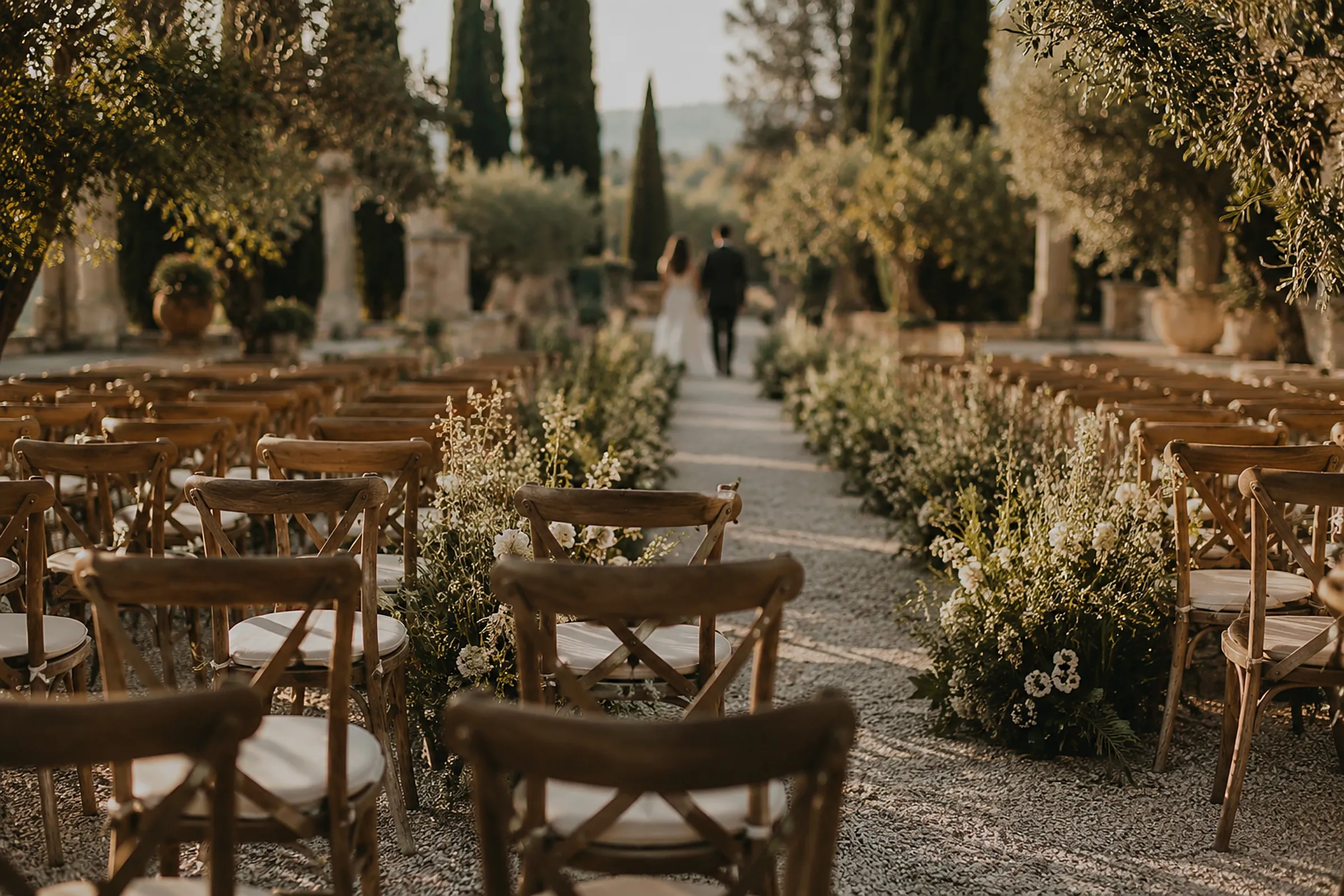
After the last guest leaves, a wedding is still full of people. The final course belongs to the ones who pack the cake, stack the chairs, make the coffee, and recognise that an ending is also a form of care.
At 02:14, the room is recognisable only in fragments. A single taper has collapsed into a small orange lake on a saucer. The linen has stopped looking ceremonial and begun to look human: creased where arms rested, marked by a ring of water, heavy with the faint sweet smell of spilled wine. On one plate, a bruised slice of pear remains beside the sweep of a spoon. It is not a scene anyone planned. It may be the most honest image of the evening.
The couple have left. Or perhaps they are upstairs for five quiet minutes before the next gathering begins. The guests are gone in clusters: those who needed taxis, those who lingered by the door, those who made one last journey back to the table for a coat, a phone, a small piece of cake wrapped in foil. The room has released its public role. Now it belongs to the people who know where everything goes.
There is intimacy in the closing shift that no ceremony can manufacture. The florist takes stems from the vases and separates what can be carried home from what cannot. A server folds the unused napkins, then stops folding because it is too late for perfection to matter. The dishwasher’s sound becomes the loudest thing in the building. Someone finds an earring beneath a chair and holds it up as if the room might answer. Someone else calls the couple’s planner, who has been moving for sixteen hours, and says: you can go; we have this.
This is where the language of ‘what remains’ can become sentimental if we are not careful. Not every trace is precious. Some of it is simply work. A sticky floor needs mopping. A supplier needs to be paid. A driver needs to know whether there is another load. The people doing this work deserve more than a romantic glow placed over exhaustion. They deserve clear timelines, proper breaks, sensible access, and the assurance that the hosts understand the evening does not end when the photographs do.
And yet the work has its own tenderness. A leftover tray of pastries becomes breakfast for the early crew. A vase of branches goes home with the dishwasher because she mentioned, once, that her daughter likes to draw them. The service captain labels the remaining bottles and sets aside the non-alcoholic ones for the morning. These gestures do not erase the labour. They acknowledge it. They let the feast have an afterlife in the people who carried it.
The end of a wedding is also an inventory of what cannot be returned. The chair that held a person who has died by the time the photographs are looked at. The speech that went too long because someone could not finish the sentence. The aunt who left early with tea and cake. The moment two people who had not spoken for years stood beside the coat rack and did. A table collects these events without knowing it. When it is cleared, the facts disperse into memory, story, regret, gratitude, and the odd object someone finds in a pocket days later.
The final piece of a dinner does not need to resolve the wedding’s emotion. Weddings ask a lot of a room. They hold joy beside loss, relief beside uncertainty, families as they are beside families as they wish they were. A beautiful meal does not solve these contradictions. It gives people enough warmth, enough food, and enough time to sit near them. That is a more modest promise. It is also a more durable one.
In the morning, the couple may return to a quiet venue. The flowers will be gone or reduced. The kitchen will smell faintly of coffee and detergent. The long table will be timber again. This can feel like an ending, but it is also the first chance to notice what actually happened. Not the version that was planned. The version in which the best friend ate standing up because she was laughing too hard to sit down. The version in which an uncle took a pear for the drive home. The version in which the kitchen found a way to feed a late table without making them feel late.
A wedding’s value is sometimes measured by what it generated: photographs, objects, stories, a new set of social ties. We would add another measure. What did it leave people with when the room was empty? Did the guests feel that their presence mattered? Did the workers go home having been treated as people? Did the couple feel supported enough to be in their own night? Did the meal make room for the past without making it a performance? These are not glamorous questions. They are the questions that stay.
The last plate is never entirely empty. It is holding the shape of the person who ate from it, the person who carried it, the person who washed it, and all the small decisions that allowed it to arrive warm. That is the final turn of hospitality. Not the immaculate table at the beginning. The evidence, after: a room that has been altered by care, and a group of people carrying a little of that alteration with them into the dark.
Concept credits: Original editorial concept, writing, and art direction by Aura Stories. Original AI concept imagery directed for this issue. The people, scenes, and settings are crafted editorial fiction; no image claims documentary status or depicts a real wedding.
Filed under
This story is part of the permanent collection of Aura Stories — yours to return to, always.
The Issue
The Issue. Twelve weddings a year, in your inbox.
One dispatch a month — the weddings, the makers, the taste behind them. No spam, leave whenever you like.
The conversation
Comments
No comments yet. Be the first to write one.
Sign in to comment