Menus are not a performance of taste. They are a map of who is here.
A family recipe is not a relic to be plated under glass. It is a living instruction: a way of bringing a person, a place, and an appetite into a room that is changing.
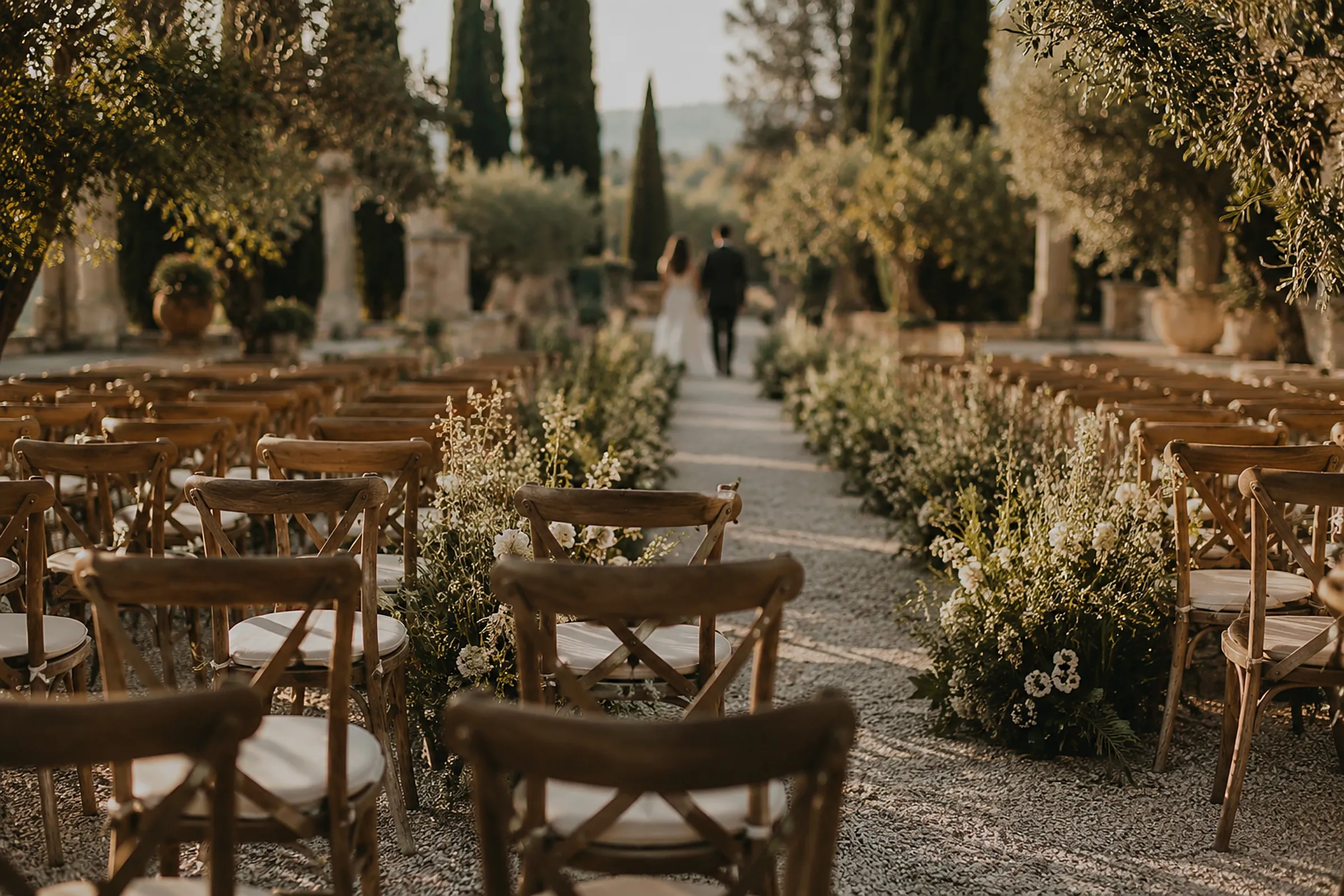
A family recipe is not a relic to be plated under glass. It is a living instruction: a way of bringing a person, a place, and an appetite into a room that is changing.
The recipe begins with a contradiction. In the family, it is called simple. In the notebook, it takes three pages. There is no measurement for the most important part, which is the point at which the onions turn from raw sweetness into something darker and more persuasive. There is no listed temperature for the oil. There is only a note, written in a slanting hand: wait until it smells like the back room at home. This is not inconvenient information. It is the information that made the dish belong to someone.
At a wedding, families sometimes feel pressured to translate their food into a language of presentation. The beloved stew becomes a dainty sauce. The messy sweet becomes a perfectly portioned cube. The pickle is moved from the centre of the table to a hidden accent on a plate. Adaptation can be beautiful. It can also erase the reason a dish was invited. The question is not whether a family recipe should be elevated. The question is what elevation is meant to preserve.
Consider a bride whose late grandfather made a winter dish of peppery potatoes, onions, and peas every time a large group came through the door. It was never introduced. It arrived beside everything else, in a bowl too heavy to pass with one hand. At the tasting, she tells the chef she wants to honour him but worries that the dish is too plain for the room. The chef asks a better question: when did he make it? For whom? What did the kitchen smell like? The answers change the brief. The potatoes do not need to become a garnish. They need to arrive in a bowl, warm enough to fog the glasses, near the people who will understand before anyone explains.
Memory is not primarily visual. It is sensory, relational, and often inconveniently specific. A recipe can carry the sound of a pressure cooker, the smell of a coat drying by the oven, the particular way a person tapped a spoon against a pan before they tasted. This is why recipes travel so well and so imperfectly. They do not only transmit ingredients. They transmit habits of attention. They teach us what was worth checking twice, what could be improvised, and what had to be done with someone else in the room.
There is also a politics to whose food is treated as worthy of a wedding table. Some cuisines are expected to announce themselves as tradition; others are encouraged to become neutral, elegant, or legible to an imagined guest. The work of a generous menu is not to make everyone’s food universally familiar. It is to make its specificity feel welcome. A menu can be an invitation to learn without turning anybody into a lesson. It can give a dish its proper name, name the person or place that made it meaningful, and let the room encounter it without apology.
The practical challenge is to translate memory into service. A recipe that works for eight people in a home kitchen may not work unchanged for two hundred guests outdoors in rain. Respecting it does not mean refusing all adaptation. It means making the adaptation visible to the right people. Let the original dish exist somewhere in the process: at a family lunch before the wedding, on the staff meal, in a late-night bowl for the people who will recognise it, or as a small card placed near the service. The point is continuity, not forensic replication.
One couple in our imagined room decide on a different form. They ask each branch of the family for a single sentence about a food that means welcome. Not a recipe, exactly. A sentence. One says, ‘A pot should be large enough that one more person never changes the plan.’ Another says, ‘The fruit is ready when it leaves colour on your fingers.’ A third says, ‘He always put the first spoonful back in the pot for the person who was late.’ These sentences become a tiny booklet at the table, not to explain the meal, but to give it a chorus.
This is a useful alternative for families whose recipes are private, fractured, undocumented, or painful. Not every food memory is uncomplicated. A wedding can hold that truth without demanding resolution. Sometimes the inherited dish belongs to somebody absent in a way that cannot be made celebratory. Sometimes it carries migration, survival, estrangement, or a version of home that nobody in the room entirely shares. The work is not to polish that history. It is to decide what kind of presence feels honest: a scent, a toast, a quiet mention, or nothing at all.
The menu is strongest when it has both roots and curiosity. Familiar food lets people settle into themselves. A new dish gives them something to turn toward together. The balance need not be fifty-fifty. It needs to be true to the room. If the meal has fifteen stories, give them enough air. Do not turn the menu card into an archive. Let a single line do the work: ‘Chilli potatoes in honour of Ravi, who believed no guest should leave hungry.’ Specificity becomes elegant when it is not over-explained.
For the people planning the meal, the exercise is simple but not easy. Instead of starting with a cuisine, start with three questions. What food appears when someone wants to say I missed you? What is made without a recipe? What would be devastating to eat alone? The answers will likely be more useful than a mood board. They will tell a chef what needs protecting: temperature, texture, scale, pace, or the fact that the dish must arrive in a shared bowl and not as a composed plate.
A recipe at a wedding does not need to prove that a family has heritage. Every family has inherited something, including the habit of forgetting. A recipe’s value is not its antiquity. It is its ability to make a particular kind of relation possible in the present. The bowl passes. Someone says, my mother made it differently. Someone else says, that is exactly how he liked it. The room gains another thread. That is enough.
Concept credits: Original editorial concept, writing, and art direction by Aura Stories. Original AI concept imagery directed for this issue. The people, scenes, and settings are crafted editorial fiction; no image claims documentary status or depicts a real wedding.
Filed under
This story is part of the permanent collection of Aura Stories — yours to return to, always.
The Issue
The Issue. Twelve weddings a year, in your inbox.
One dispatch a month — the weddings, the makers, the taste behind them. No spam, leave whenever you like.
The conversation
Comments
No comments yet. Be the first to write one.
Sign in to comment