At a wedding, the table is where the day learns how to exhale.
An editor’s invitation
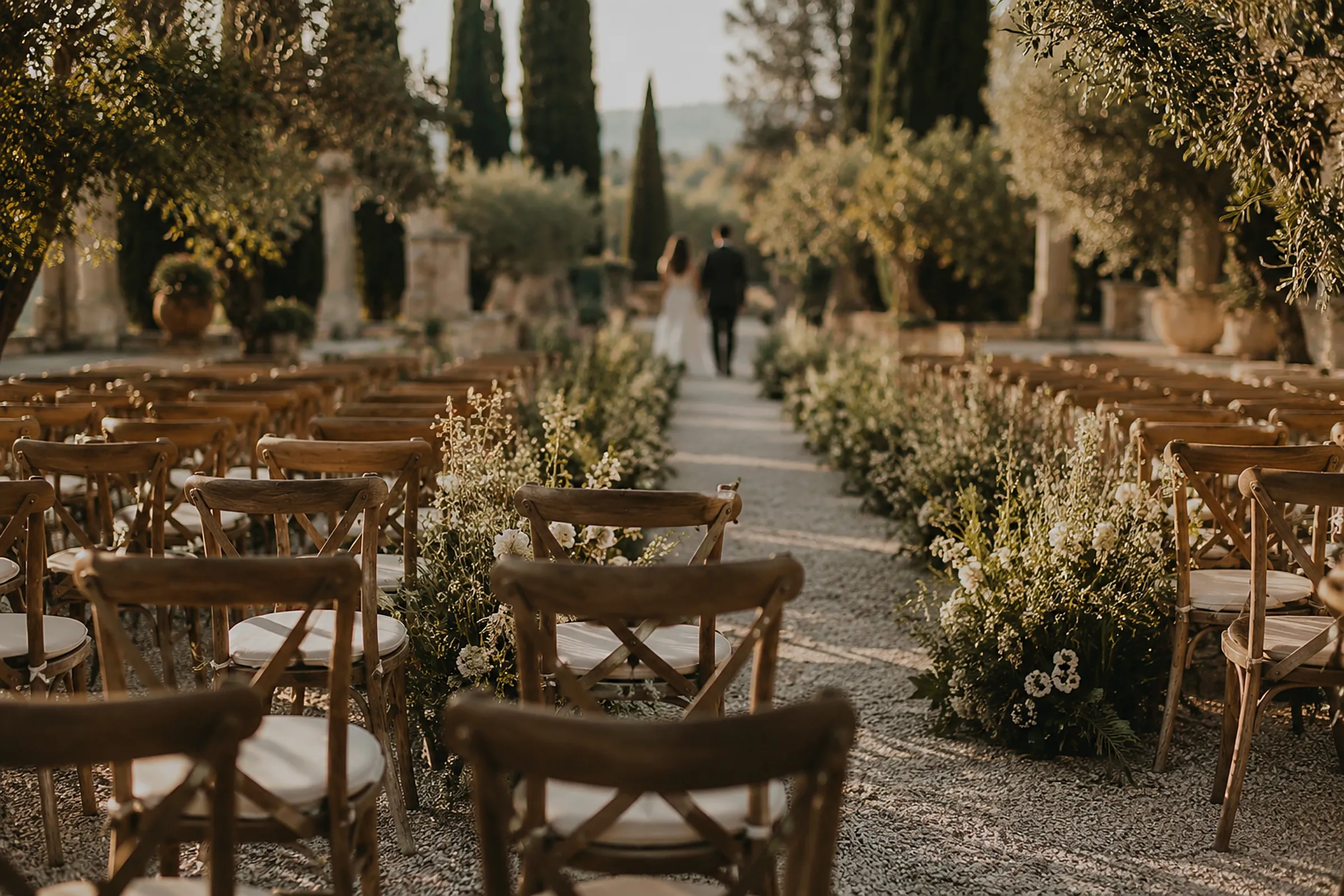
An editor’s invitation
At 6:18 in the evening, a woman in a green silk dress asks whether there is more bread. She does not ask the bride, who is being turned gently toward a camera. She does not ask the groom, who is across the room receiving a cousin he has not seen in years. She asks the person who has been passing behind her chair without ever making her feel watched. The person nods, says of course, and returns two minutes later with a warm basket wrapped in a napkin. Nothing in the schedule records this. Nothing in the photograph will explain it. Still, it may be the exact second the woman remembers when she says, later, that the wedding felt good.
We tend to describe a beautiful wedding dinner by naming what was visible: the long table, the floral weather, the menu card, the light. These things matter. They give a room its first argument. But a feast only becomes itself when people begin to disturb it. A napkin is pulled into a lap. Someone tears bread in half without asking. A child pushes a plate toward the middle. The person who had planned to leave early hears a story and stays. The room stops performing and starts behaving like a room in which people expect to be fed.
That expectation is political in the best and most practical sense. It asks who has been imagined in advance. Who needs a chair with arms. Who will not drink. Who will arrive late because they are finishing a shift. Whose grandmother will want hot tea rather than a second cocktail. Who is paying attention to the people who clear the plates, and whether those people have eaten. A wedding table is a small temporary society. Its hierarchies are never neutral, even when the flowers are exquisite.
The industry language around hospitality can make it sound decorative: elevated service, abundant moments, a curated guest journey. We prefer plainer words. Notice. Carry. Refill. Make space. Do not make someone ask twice. These are verbs, and they are the infrastructure beneath the romance. They are also the reason an ambitious dinner can feel calm rather than overproduced. Care is not the garnish on an event. It is the operating system of the event.
This edition begins in the kitchen because the kitchen is where that system becomes visible. Before the guests arrive, there are lists taped to walls, lemons rolling under stainless steel, a cook checking the salt in a pot as if the whole evening has been condensed there. There are people whose names may never be printed on a menu deciding whether the room will have enough ice, enough water, enough patience. Their work is physical, technical, and emotional. It is not background. It is the story.
It continues through a family recipe, through the mathematics of a table, through the practiced choreography of a server who can clear a glass without interrupting a confession. It pauses over appetite: what it means to offer plenty without asking a room to admire your spending; what it means to choose enough. And it ends where most wedding imagery ends too quickly: with the folded linen, the tired feet, the single piece of fruit left on a plate, the people who make the last coffee and turn a transformed room back into a room.
There is no universal way to feed people well. The point is not to reproduce a particular aesthetic of generosity. The point is to understand that a meal can say something more useful than wealth, taste, or expertise. It can say: we had you in mind. It can say: stay as long as you need. It can say: there is a place for the part of you that did not fit the seating chart. These are large promises. They are delivered, almost always, in small gestures.
So this is not a guide to a perfect table. Perfection stays too still. It is an argument for the living one: the table marked by elbows, questions, substitutions, second helpings, sudden weather, and the relief of being received. The one that knows a wedding is not complete when everyone has looked at it. It is complete when the room has eaten, and the room has changed.
Concept credits: Original editorial concept, writing, and art direction by Aura Stories. Original AI concept imagery directed for this issue. The people, scenes, and settings are crafted editorial fiction; no image claims documentary status or depicts a real wedding.
Filed under
This story is part of the permanent collection of Aura Stories — yours to return to, always.
The Issue
The Issue. Twelve weddings a year, in your inbox.
One dispatch a month — the weddings, the makers, the taste behind them. No spam, leave whenever you like.
The conversation
Comments
No comments yet. Be the first to write one.
Sign in to comment