The table is an architecture of permission.
Seating is not administration. It is a form of social architecture: the quiet way a wedding decides who can rest, reach, be seen, and begin again.
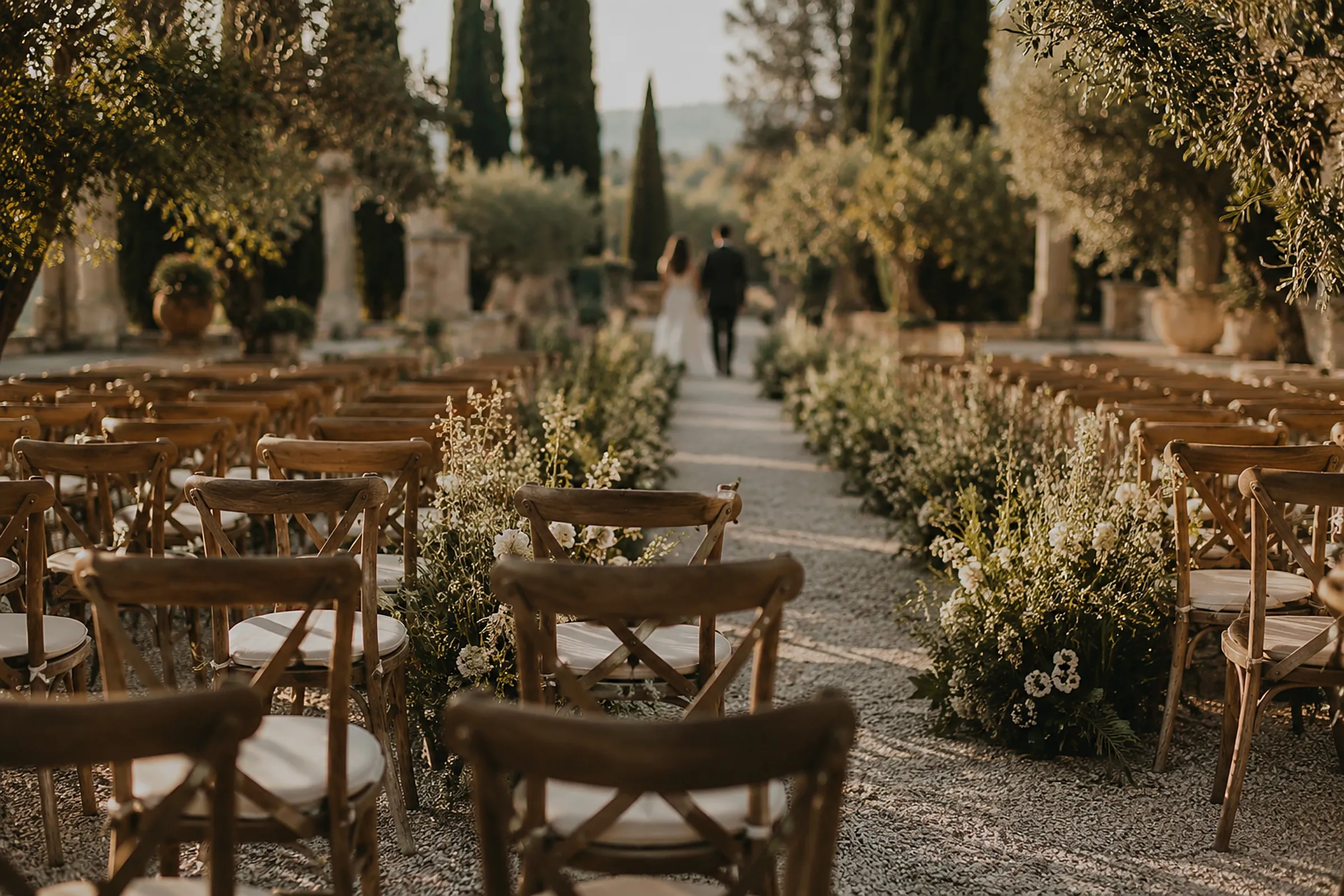
Seating is not administration. It is a form of social architecture: the quiet way a wedding decides who can rest, reach, be seen, and begin again.
At 16:10, the table exists in its most authoritarian form. Every chair is aligned. Every plate is exactly where a diagram said it would be. The stems are vertical, the candles unlit, the menu cards waiting to tell people where they belong. It is tempting to admire this moment as the ideal. But an untouched table is only a proposal. Its real design will be tested by coats, knees, water glasses, bad hearing, old arguments, sudden friendships, the person who needs to leave early, and the person who needs a little longer to arrive.
A table is architecture because it distributes attention. It decides who has the centre, who has the wall, who must turn their body to be included, who is likely to be passed the bread first. It decides whether two people can make eye contact across a candle garden or whether they spend the evening speaking over a landscape of branches. It decides whether a wheelchair user can join the table without an apology, whether an older guest can sit down without being watched, whether a child has a visible place rather than a last-minute addition to an already crowded edge.
We often reduce this work to the seating chart, a document with the unglamorous reputation it deserves. But the chart is an early draft of the evening’s emotional weather. A good one is not trying to produce only perfect chemistry. Perfect chemistry is brittle. It is trying to create enough safety that chemistry can occur: a person beside someone who knows how to listen; a nervous cousin near an old friend; a recent divorcee not placed under a spotlight; a quiet table close enough to the room to feel present but far enough from the speakers to breathe.
The politics appear most clearly in the exceptions. Who is assumed to be flexible? Who is expected to make do? A guest with a dietary need, a guest who uses a mobility aid, a parent with a sleeping child, a person whose name has recently changed: these are too often framed as complications added to an otherwise elegant plan. They are not deviations from the guest experience. They are the guest experience. If a table cannot accommodate real bodies and real biographies, it is not elegant. It is only well photographed.
There is a particular cruelty in making anyone negotiate for a place at a celebration. The solution is rarely grand. It can be a chair with arms, placed before it is requested. It can be a clear route through gravel. It can be letting a guest choose their own seat rather than assigning one. It can be a menu that does not force a person to disclose an allergy at the table. The details are small; their accumulated message is not. They say, you were not an afterthought in the version of the room we imagined.
The centrepiece is another kind of politics. Tall arrangements are not morally wrong, but they make a claim: visual impact is worth more than a clear line of sight. Sometimes that claim is correct. Often it is simply habitual. A dinner designed for conversation needs empty air at eye level. It needs a table surface that can accommodate the evidence of eating: bread, water, a phone, a pair of reading glasses, an extra spoon, the folded place card someone wants to keep. The more a table has to ask people to tidy themselves, the less hospitable it becomes.
Long tables create a different problem. They are cinematic and often genuinely convivial, but they can produce small republics of proximity: the people at one end have a different night from the people at the other. That can be a feature, if the meal gives the room occasions to rejoin itself. A course served family-style. A toast that moves around rather than from a dais. A pause in which the couple circulate. The form does not need to be abandoned; it needs to be understood as a form with consequences.
The most useful table question is not, ‘How will it look from the doorway?’ It is, ‘What will a person be able to do here for three hours?’ Can they get up without making six people stand? Can they speak in a normal voice? Can they put their bag somewhere other than the floor? Can a plate arrive without a server reaching across someone’s shoulder? Can they see the person who is telling a story? These are not banal considerations. They are the conditions that allow beauty to become social rather than merely visual.
A seating plan should also acknowledge that family is not a fixed architecture. Weddings gather people who are related by blood, choice, history, care, rupture, and practical obligation. The obvious pair is not always the kind pair. The traditional table may not reflect the actual shape of support. A couple can use the meal to declare something quietly radical: that the people who made their life possible are sitting close, whether or not they match anyone’s idea of hierarchy.
This does not require a grand statement. It can happen through proximity. The friend who housed one of you during a difficult year sits near the parents. The siblings are not automatically separated by partners. The mentor gets a place in the room’s visual centre. The people who made the food are named in a toast. Every arrangement makes an argument. The question is whether yours matches the relationships you are actually celebrating.
By 20:30, the table has changed. The chairs are no longer parallel. There is wax on the linen and a different density of conversation at each end. Somebody has moved to sit beside an elderly uncle. Somebody has become the unofficial keeper of the bread. This is the table at its best: no longer an architecture of control, but an architecture that has made permission possible. It has given people a place to begin from. The rest is their work.
Concept credits: Original editorial concept, writing, and art direction by Aura Stories. Original AI concept imagery directed for this issue. The people, scenes, and settings are crafted editorial fiction; no image claims documentary status or depicts a real wedding.
Filed under
This story is part of the permanent collection of Aura Stories — yours to return to, always.
The Issue
The Issue. Twelve weddings a year, in your inbox.
One dispatch a month — the weddings, the makers, the taste behind them. No spam, leave whenever you like.
The conversation
Comments
No comments yet. Be the first to write one.
Sign in to comment