The thank-yous can wait a week
Forty-one gifts, a group chat that will not sleep, and a blue jug nobody admits to.
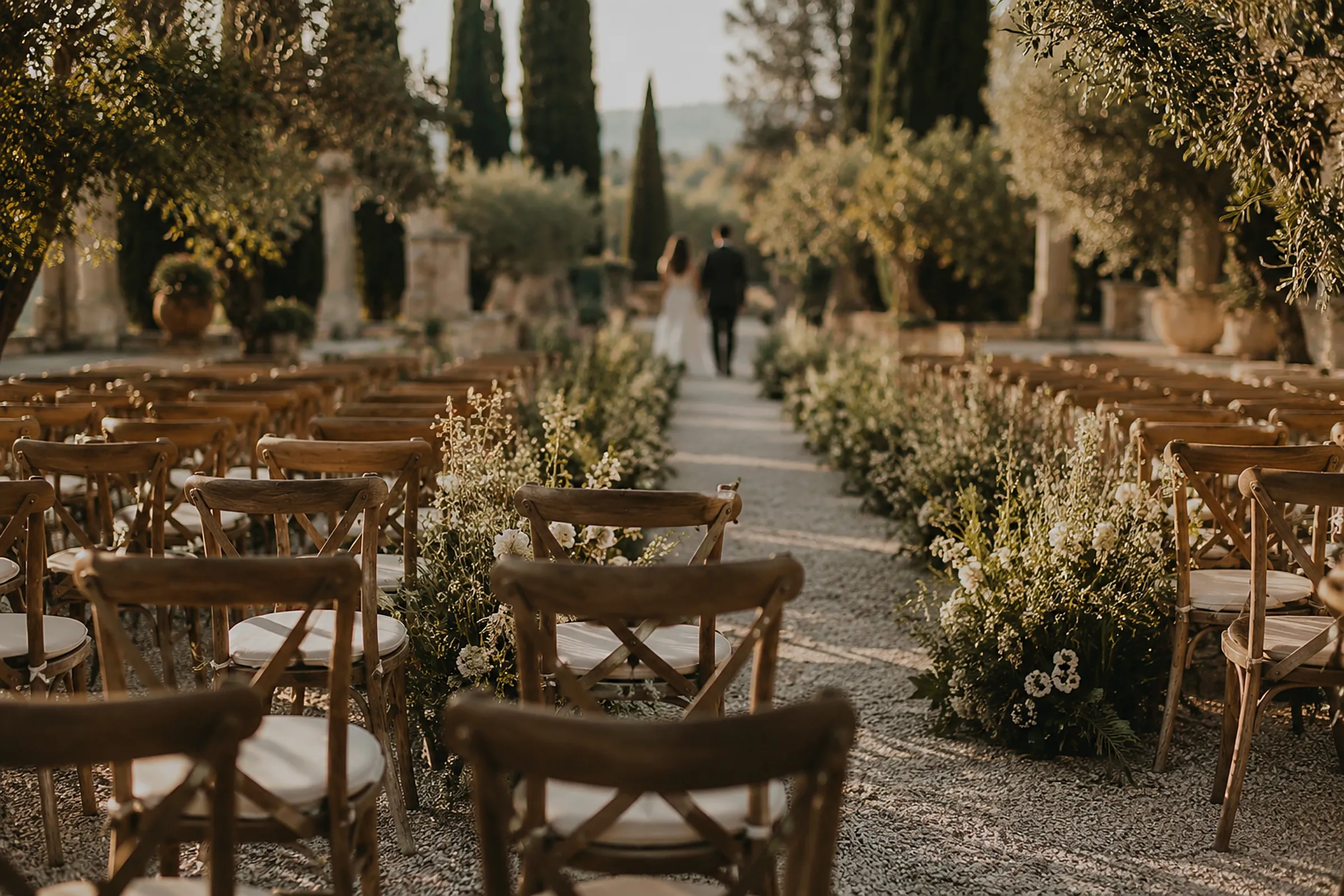
Forty-one gifts, a group chat that will not sleep, and a blue jug nobody admits to.
The messages began while they were still on the stairs. Theo's phone, in his back pocket, started the small insistent buzzing of a group chat waking up, and by the time they reached the kitchen it had become a sound rather than an event. His cousin had posted the entrance video to forty people. Forty people had opinions about the entrance video. Several of them had photographs of their own and were now sharing those, so that the wedding, which had ended at one in the morning, was being held again at a quarter to ten, in a room neither of them was in.
Elin's phone was face down on the counter where she had left it. She did not turn it over. She knew what was on it: the guests who had not stayed in the group chat, the older ones, the ones who wrote properly. Her aunt Nessa, who would say something short and true. Theo's mother, Rosa, who would say something long and would want an answer. And beneath those, the people she had not spoken to at the wedding at all, the ones who had travelled, who had bought a gift from the list and a dress for the day, and who had been shown to a table and left there while she was photographed under a streetlamp.
Theo answered the group chat immediately, from the kettle, with a heart. Then he answered three messages individually. Then he looked up and saw her watching him and put the phone down with the care of a man who has been caught doing something he does not consider wrong. 'They're being nice,' he said. 'I know they are,' she said. 'I just don't want to be nice back yet.' He said that if they left it a week it would be worse. She said that if they did it now it would be a second wedding, held on their phones, that neither of them had agreed to attend.
They did not resolve this on Sunday. On Sunday, Theo answered the people who wrote to him, and Elin answered Nessa and nobody else, and Rosa's long message sat unopened on both their phones like a letter on a hall table that everyone walks past. On Monday the box of cards came out of the drawer upstairs. On Tuesday the gifts arrived, in a van, from the hall, because the hall had kept them locked in an office over the weekend and the caretaker had been kind enough to drive them over.
There were forty-one gifts. Thirty-eight of them had cards, or tags, or a name written in biro on the paper. Two had been bought from the list, which meant the list knew who had sent them even if the parcel did not. One was a blue enamel jug, wrapped in tissue, in a box with no card and no tag and no name, and it was the most beautiful thing anyone had given them.
Elin made a list. She had always made lists, and the week after the wedding she made one that filled four pages of the notebook Theo had torn his vows from: a column of names, a column of gifts, a column of ticks. Theo said that a list was already more than most people did. She said the list was the easy part. The hard part was the forty-one cards, each of which had to say something that was true about a person and true about an object and not the same as the card before it.
They settled on four a night. Not because four was a number that meant anything, but because after four Theo's handwriting went to pieces and Elin started writing 'so thoughtful' about things she had not thought about. They sat at the kitchen table, which was theirs now, in the flat that had been waiting for them while they were away, and Theo read out the name and the gift and Elin said the first true thing she could think of, and one of them wrote it down. It took three weeks. It was, Elin said one evening, the longest conversation they had ever had about other people.
Rosa's message got answered on the fourth day, by Theo, at length, and Rosa replied within the hour to ask whether the thank-you cards would be proper cards or just messages, because her friends from the choir would want something they could put on the mantelpiece. Theo read this aloud in a voice that was almost neutral. Elin said that the choir would get proper cards. She said it before she had decided whether she minded, and found that she did not. Rosa was not asking them to be grateful. She was telling them who her friends were.
The jug stayed on the table through all three weeks. They asked the list, and the list did not know. They asked Rosa, who was sure it was not one of hers. They asked June, who said it was exactly the kind of thing their father would buy and then forget to mention, and their father, when asked, said he had given them the toaster. Nessa said it might have been a plus-one, somebody's new partner, who had not known the custom and had brought something from their own kitchen because they could not come empty-handed. This seemed to Elin both likely and impossible to confirm.
On the last night of cards she wrote one more. It said thank you for the jug, that it was on the table, that they used it for water and sometimes for flowers, and that if whoever had brought it ever told them, they would not be embarrassed about it. She did not address it. She put it in the drawer with the baker's note and the ribbon, which was where the things without a next step had started to go.
The group chat went quiet after ten days, the way they do. The photographs stopped arriving. The video of the entrance was still on Theo's phone, and he still watched it sometimes, and she had stopped minding, because the forty people who had watched it with him had gone back to their own weeks. What remained was the list, with its forty ticks and one blank line, and the understanding that gratitude did not have to be fast to be real. It only had to be finished, and finished was a thing they could choose the pace of.
In the spring, a woman Elin barely knew came to dinner as somebody's partner, saw the jug on the table, and said nothing about it at all. Elin never found out whether that meant anything. She refilled it and put it back and let the question stay where it was.
Editorial note: Edition Fifteen is an original editorial work of fiction. Elin, Theo, Gianna Reed and every other person and conversation are imagined, not interview subjects. Generated images are illustrations, not documentary photographs. This manuscript is a new editorial revision of the original issue.
Filed under
This story is part of the permanent collection of Aura Stories — yours to return to, always.
The Issue
The Issue. Twelve weddings a year, in your inbox.
One dispatch a month — the weddings, the makers, the taste behind them. No spam, leave whenever you like.
The conversation
Comments
No comments yet. Be the first to write one.
Sign in to comment