The language a table learns.
A wedding table is a border crossing made hospitable. It does not need to become a museum of everyone’s heritage. It needs to be generous enough for a guest to recognise that they have been considered.
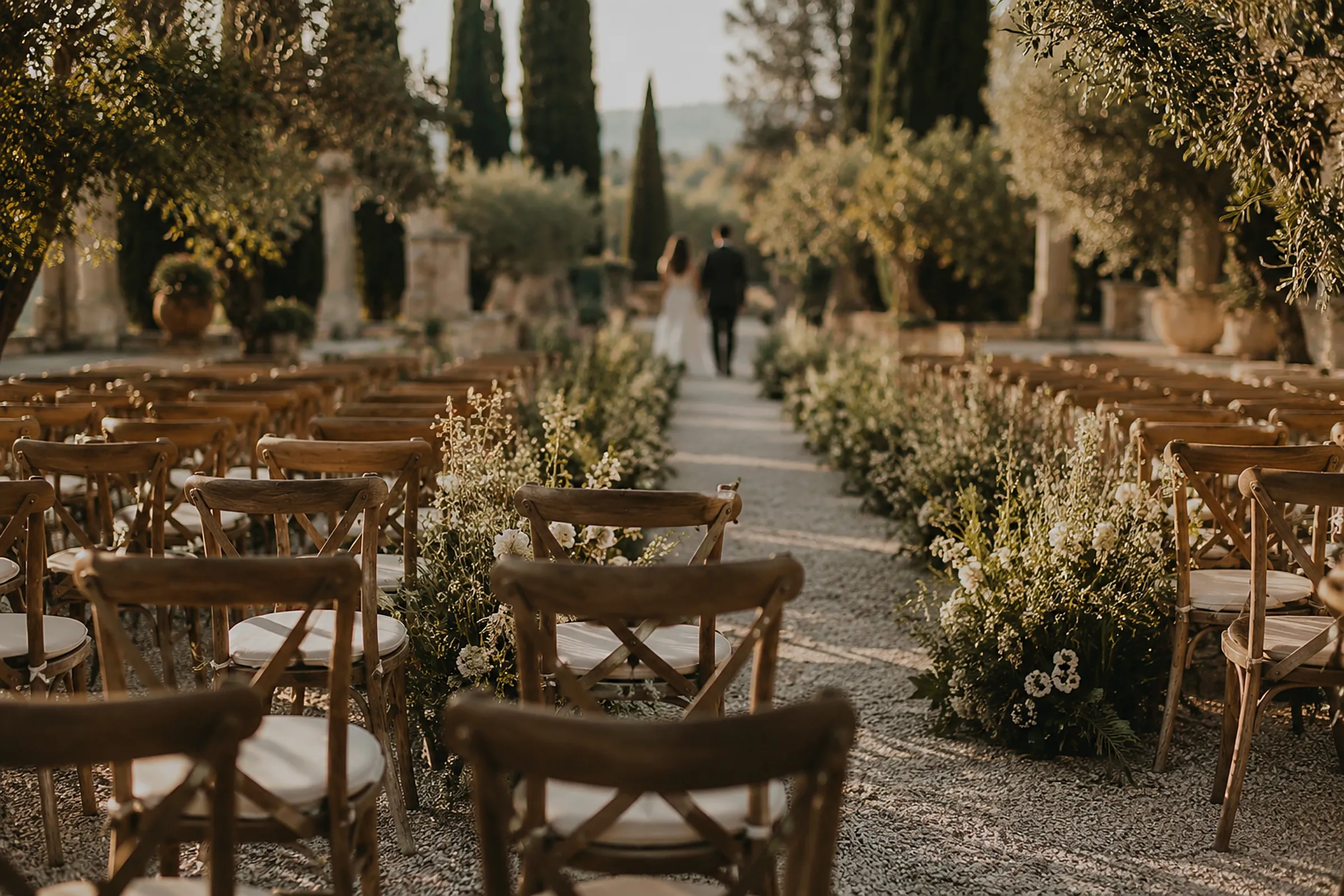
A wedding table is a border crossing made hospitable. It does not need to become a museum of everyone’s heritage. It needs to be generous enough for a guest to recognise that they have been considered.
Good cultural design is not a list of symbols to include. It is a sequence of choices about comfort, timing, recognition, and power. Start before the invitation is sent: ask which parts of the day ask the most of travelling guests; ask whose language, food, faith, family structure, or physical needs are treated as a default; ask what the room would feel like if the couple themselves were arriving for the first time.
Then design from the answers, not the aesthetic. A bilingual menu may matter less than a moment in the programme to explain why people are standing, singing, waiting, or eating in a particular order. A familiar tea glass might mean more than a generic “global” table setting. A dietary question asked early and properly may be more hospitable than an elaborate welcome gift. The goal is not to flatten different traditions into one visual language. It is to make the junction between them legible, generous, and alive.
- Translate the feeling, not only the text. If one family eats late and another tells stories before dessert, treat the schedule as part of the welcome. Build enough time for a guest to understand what is happening without needing to perform familiarity. Translation can be spoken, printed, demonstrated, or simply made visible through pacing.
- Give names to what matters. Use the names people use for themselves and their relationships. A menu can hold two scripts. A place card can include a pronunciation that prevents someone doing the work of correction all evening. An introduction can say why an object, a song, or a ritual is in the room—without making anyone a spokesperson.
- Let the room have an accent. Specificity is more generous than a borrowed idea of “worldliness.” A recipe that travelled, a particular way of passing bread, a long table that makes space for elders, a late-night dish for exhausted arrivals: these create a room with memory. Ask who is being welcomed, who is carrying extra labour, and whether the details make that labour lighter.
FIELD GUIDE: These are design observations, not cultural rules. Ask the people whose traditions are being held in the room, and compensate expertise where it is offered.
Filed under
This story is part of the permanent collection of Aura Stories — yours to return to, always.
The Issue
The Issue. Twelve weddings a year, in your inbox.
One dispatch a month — the weddings, the makers, the taste behind them. No spam, leave whenever you like.
The conversation
Comments
No comments yet. Be the first to write one.
Sign in to comment