Frames from the waiting room.
A short film made from the quiet scenes before and after the ceremony. All images, scenes, and captions are original editorial fiction.
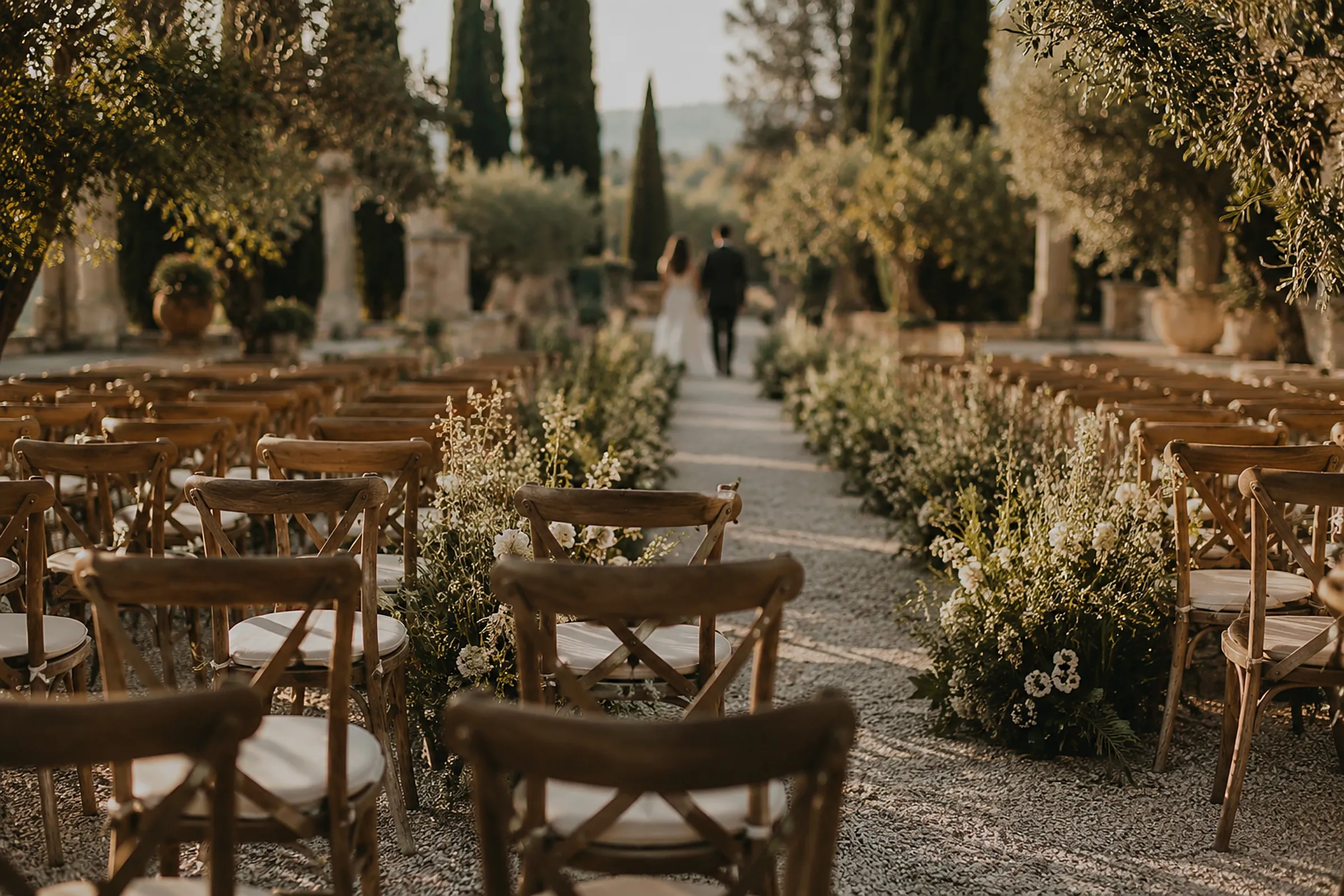
A short film made from the quiet scenes before and after the ceremony. All images, scenes, and captions are original editorial fiction.
Weddings are often remembered in completed images: the walk, the embrace, the room at its fullest. Yet the life of a gathering accumulates in the cuts between those images—the moments with no clear subject, when people are still becoming a group. A waiting room is not a pause outside the story. It is a place where the story changes hands.
These seven frames follow one evening without trying to resolve it. The point is not that every delay becomes meaningful, or that inconvenience is secretly beautiful. The point is that care becomes visible most often in the gaps: when someone waits at a terminal, finds the right chair, gives up their own meal, remembers an aunt’s medication, or makes a joke good enough to keep the room from fraying.
01:17
The first taxi arrives with a fogged window and a missing shoe. The driver keeps the engine running while an uncle searches the back seat with the concentration of a detective. Nobody is angry yet. There is still time for the missing shoe to become a joke.
03:08
A brother sleeps in the lobby holding three borrowed passports. His phone is face down on his chest. Every time it lights up, he wakes for half a second and says, “I’m here,” to nobody in particular.
05:42
The kitchen staff tie ribbon to the final chair. They have been given a seating chart that contains twelve names nobody can pronounce. By the end of the hour, they know exactly which grandmother wants less ice and which cousin is allergic to every decorative flower.
18:10
A flight is delayed. The ceremony waits twelve more minutes, then nineteen. Someone removes one candle and adds it back. The couple stand at the entrance with their hands apart, practising the patience they will later call a choice.
21:33
A map appears beside the cake. A guest circles the street where the bride learned to ride a bicycle. Another marks the neighbourhood where the groom’s father once lived. Soon there are too many circles for the paper to describe one city.
23:04
Two mothers compare recipes with one shared word and a great deal of looking. One indicates heat with her hand. The other pretends to faint. They laugh. A plate is carried out before either has agreed on what to call the dish.
00:26
The music stops. In the silence, the last guests collect chargers, scarves, cake boxes, children, each other. Outside, a car door closes. The road remains, but it no longer feels like the opposite of the room.
The images are in the mind because somebody paid attention to them. Later, a guest will say, “Do you remember the taxi?” and somebody else will know exactly which taxi they mean. This is how a celebration travels after it is over: not as one definitive story, but as a collection of small scenes that keep acquiring witnesses.
Honesty note: This is an original speculative edition of Aura Stories. The people, scenes, correspondence, and narratives are editorial fiction, written to explore the theme of distance in wedding life. They are not reported profiles, and no person depicted is presented as a real couple or guest.
Filed under
This story is part of the permanent collection of Aura Stories — yours to return to, always.
The Issue
The Issue. Twelve weddings a year, in your inbox.
One dispatch a month — the weddings, the makers, the taste behind them. No spam, leave whenever you like.
The conversation
Comments
No comments yet. Be the first to write one.
Sign in to comment