Abundance is not more. It is enough, precisely.
A feast can be lavish without being loud. The test is not quantity. It is whether the room has enough space to enjoy what has been offered.
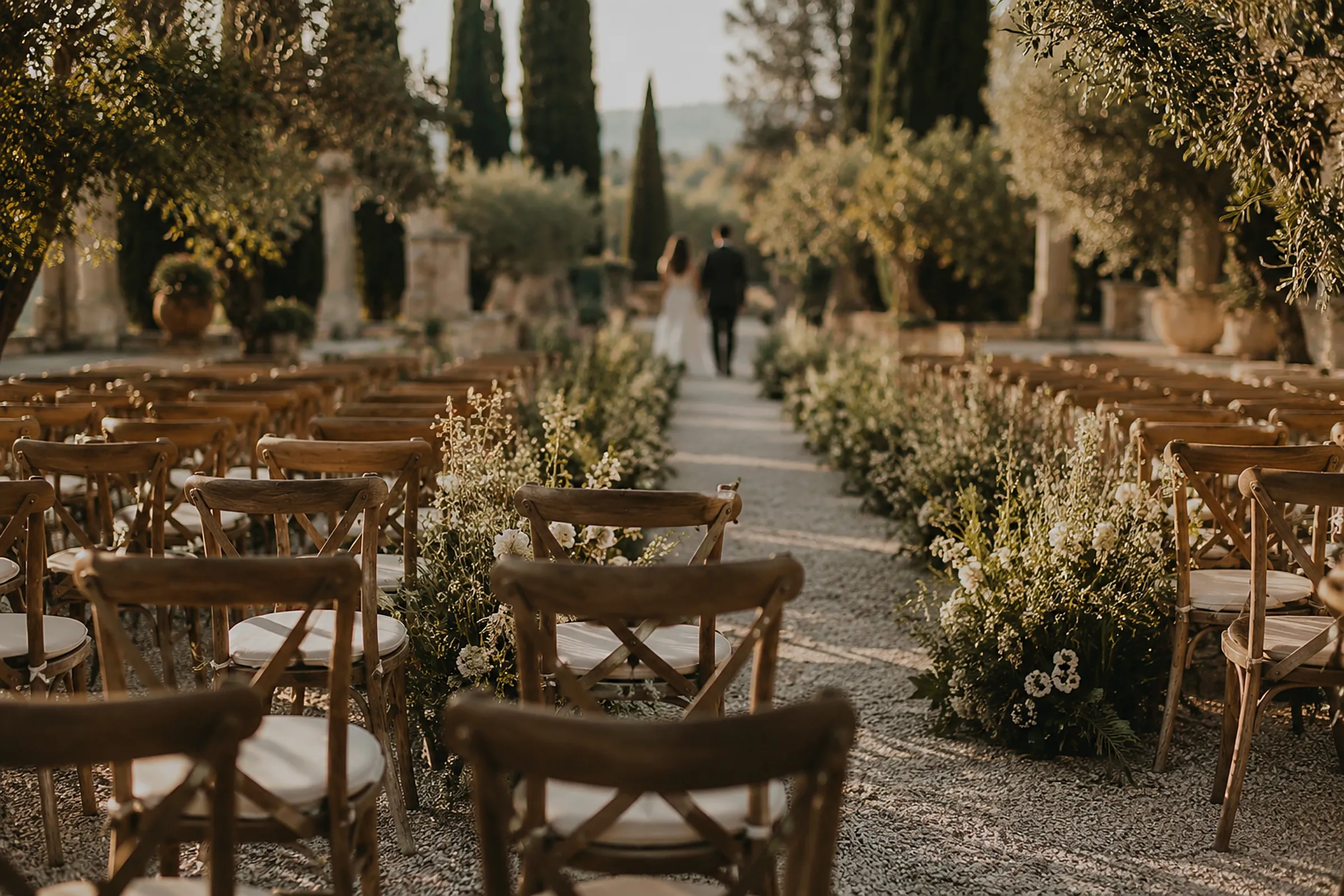
A feast can be lavish without being loud. The test is not quantity. It is whether the room has enough space to enjoy what has been offered.
There is a point, late in some wedding dinners, when abundance becomes administration. The room has been offered a sixth small thing, then a seventh. Guests are carrying a drink, a plate, a favour, and the obligation to notice all of them. The staff are moving quickly because there is another station opening. Nobody is unhappy. But nobody is fully in the room either. Plenty has become a form of distraction.
This is not an argument against generosity. It is an argument for its timing. A feast is generous when it makes people feel there will be enough: enough food, enough water, enough rest, enough time to finish a conversation before the next instruction arrives. The feeling of enough is not produced by volume alone. It is produced by confidence, proportion, and the absence of small humiliations. No one should need to chase a glass of water. No one should have to decide whether it is rude to take the final piece of bread.
Appetite is not simply hunger. At a wedding, it is also curiosity, nerves, grief, celebration, fatigue, the desire for something salty after a long ceremony, the desire to sit down when everyone else is dancing. A menu that acknowledges this is more interesting than a menu designed to impress a hypothetical critic. It offers pace. It sends food when people are actually ready to eat. It gives the room a late-night answer that is satisfying enough to feel like care, not a gimmick.
Restraint is often mistaken for austerity because it asks a host to choose. But a decision to have one extraordinary roast dish rather than six competing mains can be deeply generous. A decision to put bowls in the centre rather than individual towers on every plate can be generous. A decision to spend on more servers, more shade, more accessible seating, or a proper staff meal instead of another decorative installation can be generous. These choices may be less photographable. They are not less luxurious.
The question is what kind of memory you are trying to fund. People remember the first cold sip of something when they were too hot. They remember the person who brought a bowl of soup when the rain started. They remember a dessert that reminded them of their childhood, but also the relief of finding a chair after an hour on their feet. Bodily memory is not separate from emotional memory. It is its foundation.
There is a social pressure to demonstrate that an important wedding offered everything. Everything is a difficult word. It can hide anxiety under abundance: fear that guests will be bored, fear that the day will be judged, fear that a simple pleasure will not read as special. But a wedding is not a tasting menu for strangers. It is an occasion in which the hosts get to state what they value. If they value long conversation, they can protect it. If they value dancing, they can feed it. If they value the foods people know by heart, they can let those foods lead.
One practical method is to map the dinner by energy rather than course count. What will people need when they first sit down? What will they need after the speeches? What will the people who do not drink need at midnight? Where will the children be when the adults want to stay longer? This is a planning tool, not a slogan. It makes the menu responsive to the bodies in the room. It makes restraint a way of making room, rather than a way of withholding.
A feast should also leave something. Not necessarily a branded box, not necessarily a display of leftovers. A fruit for the journey back. A small packet of the biscuit that accompanied coffee. A story about the dish that keeps travelling. The best takeaway is evidence that the meal had a life after its presentation. It is the opposite of wasteful spectacle: a thing people actually want to carry with them.
At 21:15, a large platter is set at the centre of a table. It is not introduced. It does not need to be. The food is warm, familiar enough to invite reaching, and sufficient for everyone to take a little before deciding whether to take more. The first person serves the person beside them. Then the bowl starts to move. This, perhaps, is the most persuasive image of abundance: not accumulation, but circulation.
Concept credits: Original editorial concept, writing, and art direction by Aura Stories. Original AI concept imagery directed for this issue. The people, scenes, and settings are crafted editorial fiction; no image claims documentary status or depicts a real wedding.
Filed under
This story is part of the permanent collection of Aura Stories — yours to return to, always.
The Issue
The Issue. Twelve weddings a year, in your inbox.
One dispatch a month — the weddings, the makers, the taste behind them. No spam, leave whenever you like.
The conversation
Comments
No comments yet. Be the first to write one.
Sign in to comment