The Witness Table
A civil ceremony, a missing pair of rings, two mothers with different ideas of what should count, and the slow discovery that being witnessed does not require performing certainty.
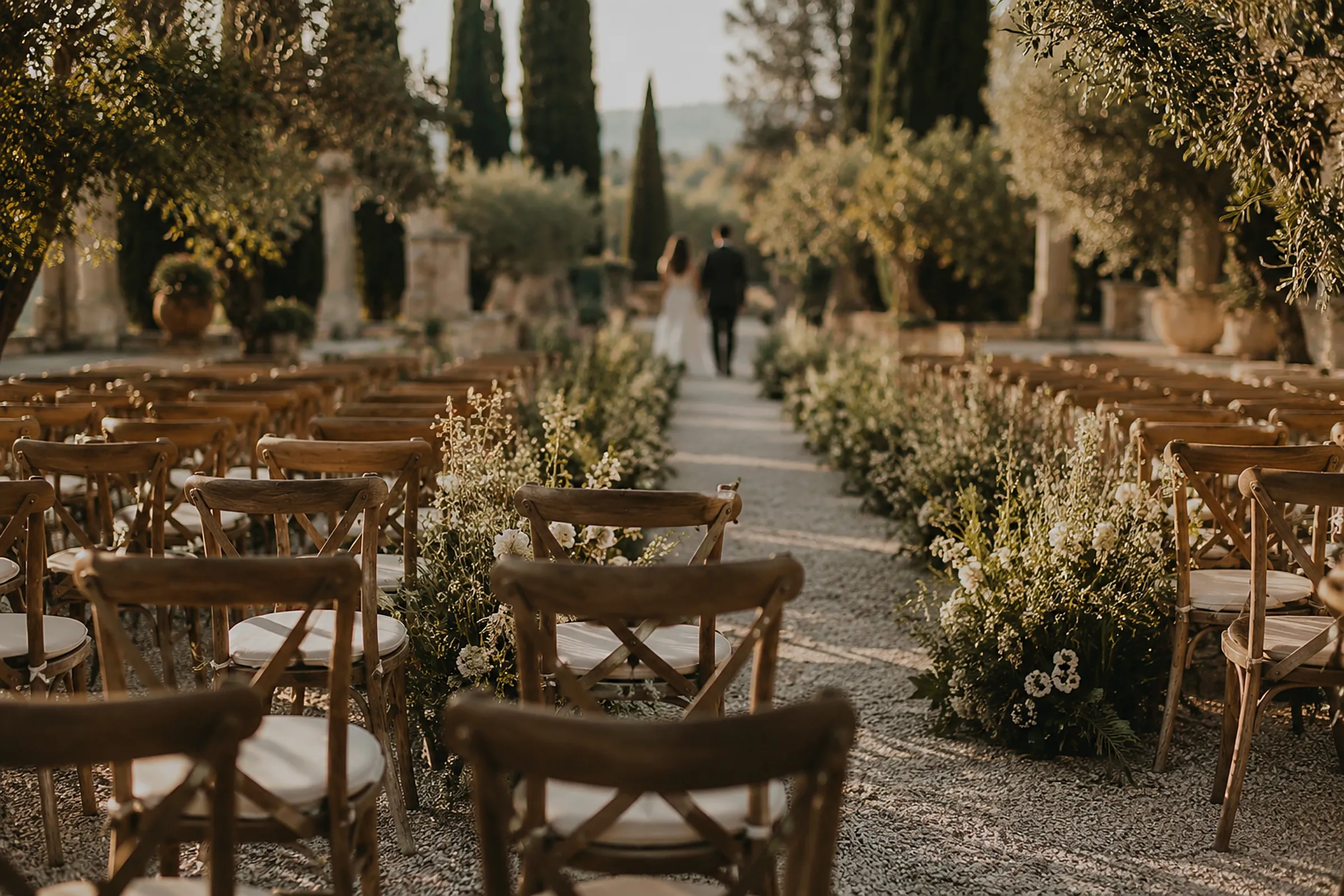
A civil ceremony, a missing pair of rings, two mothers with different ideas of what should count, and the slow discovery that being witnessed does not require performing certainty.
At 3:58 on a Wednesday afternoon, June stood outside the City Clerk’s office with one hand inside the pocket of a dark green coat and the other around a paper cup of coffee she had forgotten to drink. Across the sidewalk, Sam was trying to peel a parking sticker from the rental car windshield with the edge of a library card. They had arrived early because June hated arriving late and Sam hated being seen to care about arriving early. Between them, on the pavement, was a canvas bag carrying the license, two IDs, an unopened packet of tissues, a charger, a change of shoes for June, and a pair of gold bands in a small blue pouch. The rings were there. This is important only because, forty minutes later, nobody would believe that they were.
They had been together for nine years and engaged for eleven months. The gap between those numbers had become a family joke, although June had never heard it as one. Her mother, Elaine, said nine years meant they had already done the hard part. Sam’s mother, Ruth, asked whether they had considered “doing something proper” in autumn: a room, a meal, an officiant who knew them. June had once wanted that too. Then her father became ill, then better, then less able to travel, and every larger version of the wedding acquired a second event inside it: a negotiation about who would be disappointed.
The people who witness a promise do not need to certify its perfection. They need to understand what the couple is asking them to hold.
So they chose Wednesday. They chose a civil ceremony with two witnesses, Kit and Sima, friends from different parts of their life who had met each other only once. They asked both mothers to come because not asking them would have made the smallness of the plan feel punitive. They did not ask June’s father, who had said he did not want people watching him use a cane. June told herself this was his choice, not a rejection. She repeated that sentence until the distinction began to disappear.
For six weeks they had said they would not write vows. The decision began as a relief. Neither of them liked public speaking, and June in particular distrusted the wedding version of a person: polished, grateful, fluent in a feeling that real life usually distributed across a hundred inarticulate moments. But as the date approached, the absence of vows acquired its own charge. At dinner on the Sunday before, Sam said, “I just don’t want us to pretend we have nothing to say.” June, who had been slicing a lemon into increasingly thin half-moons, said, “That’s not what I’m doing.” Then they spent an hour arguing about whether silence was an act or a failure to act, which was their oldest argument in new clothing.
Kit arrived in a navy suit that had belonged to an uncle and had been altered twice. Sima wore a red wool coat and carried a clear folder with copies of everyone’s identification, though nobody had asked her to. This was the kind of person Sima was: not an organizer exactly, but someone who understood that care often looked like bringing a spare pen. They met at the entrance. Elaine kissed June’s cheek and then held her face for a fraction too long. Ruth said she liked June’s coat. Sam’s eyes moved between the two mothers, taking inventory of the weather in the room.
Inside, the lobby had the impersonal calm of a place where significant things happened on a schedule. A family in sequins posed near a beige wall. A man in a tuxedo bought chips from a vending machine. A little boy in patent shoes was asleep across three plastic chairs. June had expected the surroundings to make the ceremony feel less serious. Instead, she found the opposite. The lack of decoration refused to tell her what to feel. There was no music to lean on, no aisle to focus attention, no language of romance arranged in advance. There was only the form in the folder, the people she had brought, and the fact that she was about to sign her own name in a way that would have consequences beyond the room.
At the desk, a clerk looked at the license and asked the question everyone had prepared to hear. Did they have their witness? Kit and Sima stepped forward. The clerk compared their IDs, then said they would be called shortly. Sima handed the folder to June. June looked down at the blue pouch peeking from the canvas bag and thought, with unreasonable irritation, that they should have chosen a simpler color. Cobalt was too insistent. It looked like evidence.
The official who called them in was younger than June expected and wore a black robe over trainers. He had an efficient, kind face—the face of someone who understood that other people’s milestone days could not be allowed to make him late for the next appointment. In the ceremony room, the chairs were arranged in two rows. The official told them where to stand. June’s right hand was cold. Sam touched the back of it once, then did not take it. This, too, was a habit between them: offer, do not assume.
The words were plain. The official asked whether they came freely, whether they consented to marry. June had rehearsed an easy answer. In the mirror at home, she had said yes with a laugh, yes with a pause, yes as though she had never practiced the word at all. But in the room, with Elaine sitting very still and Ruth’s hands folded in her lap, she felt the earlier argument come back in full. Not because she did not want to marry Sam. Because the word freely seemed to contain a question she had not finished answering: freely from which expectations, freely toward which future, freely after nine years of learning how much a shared life could ask of two people who wanted different kinds of quiet?
The pause lasted perhaps three seconds. It was long enough for Sam to turn his head. Long enough for June to see Kit breathe in and Sima look down at the folder. Long enough for June to hear her father, not in the room, saying on the phone two weeks earlier, “You’re sure you don’t want to wait?” He had not meant wait for him. Or perhaps he had. The cruelty of family language is that it can carry two meanings at once and leave the listener to choose which one hurts more.
“Yes,” June said. Then, because she could not bear that the room might take the word for certainty rather than decision, she added, “Yes, I do.” The official nodded and went on. Sam answered without pause. June felt grateful and briefly angry at the ease of it. Later Sam would say he had not found it easy. He had simply decided, in that moment, that his job was not to make her pause about him.
When it was time for rings, Sam reached for the canvas bag. The blue pouch was gone. The bag held the charger, shoes, tissues, a receipt for coffee, and an apple that had been rolled under a paperback novel. The rings were not there. Sam checked the floor. June checked every pocket of her coat, then checked the same pockets again. Elaine opened her own handbag with the grave attention of a surgeon. Ruth looked at June’s face and said, too brightly, “They’re only rings.” The sentence was meant to lower the temperature. It did not.
June felt something release in her that was not laughter. The missing rings made the day suddenly ridiculous, but it also made it less likely that anyone would turn it into a clean story. She could see the version of the evening in which her mother would say, “They nearly got married without rings,” and everyone would laugh. She could see the other version, in which the rings would become proof that they had rushed, that the small ceremony had been careless, that an event without enough planning was somehow an event without enough love. Neither version was true. What was true was that Sam was on his knees under a chair, Kit had called the parking garage, and Sima was standing beside June with a hand at the small of her back, not squeezing, not soothing, simply there.
The official asked if they wanted five minutes. They did. In the hallway, June said to Sam, “I am sorry.” He looked up from the inside of the canvas bag. “For what?” “For making you do this with me.” It was the sentence she used whenever she felt exposed: a preemptive apology designed to give the other person an exit before they could ask for one. Sam sat back on his heels. “June,” he said, not loudly. “I wanted to do this with you.” She shook her head. “Not like this.” “This is how it is right now.” He did not say it kindly. He said it carefully, which was more useful.
They found the rings in Sima’s folder. She had moved the pouch there when June handed her the license at the entrance, intending to keep everything together. For a moment nobody spoke. Then Kit began laughing—not at them, exactly, but with the relief of a person whose body had finally been given a job. June laughed too. Sam put both hands over his face. Elaine started to cry, which she tried to disguise as a reaction to the absurdity. Ruth walked over to June and said, “You know, it still counts.” This time, June believed she meant it.
Back in the ceremony room, the official asked whether they wanted to exchange rings. June looked at Sam. This was their chance to skip the symbolic part, to make a joke, to let the missing pouch absolve them of another expectation. Instead Sam held out the smaller band. “I had something I was going to say,” he said. The official waited. “But I don’t want to make you listen to a speech you didn’t ask for.” June’s mouth tightened. She knew, suddenly, that the speech was a letter in his jacket pocket. He had written vows after all.
“You can say one thing,” she said. He looked at her. “One?” “One true thing.” Sam considered this. Then he said, “I will ask before I decide what your silence means.” It was not a ceremonial sentence. It was an answer to a particular fault line, and everyone in the room could feel that it had a history. June took the ring. “I will tell you when I’m leaving the room,” she said. Kit’s eyes filled. Sima pressed her lips together. Elaine looked at the floor. Ruth reached for a tissue. The official did not smile, but June saw his face soften.
After the signatures, there was no music. They walked out through the same beige lobby, past the sleeping child, past the tuxedoed man now finishing his chips. On the sidewalk, the group stood in a loose circle because nobody knew whether to hug or take a photograph first. June’s father called. She stepped away to answer. He asked how it went. “We lost the rings,” she said. There was a pause, and then he laughed so hard she could hear him catch his breath. “Of course you did,” he said. Then, more quietly: “I wish I could have seen it.” June held the phone against her ear. “You still can,” she said, although neither of them knew exactly what she meant.
They had dinner that night at a restaurant they chose because it accepted reservations for six and did not require a dress code. The mothers sat opposite each other. For the first twenty minutes, conversation was devoted to practical matters: the official’s trainers, the parking sticker, the question of whether the apple was still edible. Then Elaine asked Ruth what she had meant when she said it still counted. Ruth looked surprised, then tired. “I thought you were worried that we were making it small,” she said. Elaine said, “I was worried they were making it disappear.” June wanted to interrupt, to defend the choice, to explain that small was not the same as hidden. But Sam put a hand on her knee under the table and waited.
The mothers talked for nearly an hour. Not elegantly. Elaine admitted that she wanted a room full of people because she had spent years watching June refuse help. Ruth said she wanted ritual because it was how she had understood transitions her whole life, not because she thought June and Sam needed spectacle. Neither woman was entirely satisfied by the other’s answer. Neither needed to be. By dessert, they had agreed on a late-summer lunch in Elaine’s garden, twelve people at most, no formal ceremony. June’s father could come if he wanted. Ruth would bring the recipe for the lemon cake Sam loved. Kit said he would make a playlist but promised not to call it a reception.
The lunch happened seven weeks later. June wore a linen shirt and the same green coat over her arm because the weather turned. Her father came with his cane. He sat at the end of the table, where he could see everyone and no one had to look directly at him all afternoon. Ruth brought the cake. Elaine had set out place cards and then removed them. Sima arrived with a spare pen. At one point, Kit asked June whether she wanted him to read the text he had drafted for a toast. She said no. Not because she was afraid of words, but because the table was already doing what she had hoped a wedding would do: it was holding people together without requiring them to become simple.
At the end of lunch, Sam washed plates while June wrapped slices of cake for her father. There was no final announcement. No group photograph. The rings were still on their hands, less shiny already from dishwater and garden soil. When the last person left, June found Sam’s folded letter on the counter where he had put it weeks earlier. She did not open it. She tucked it into the blue pouch with the rings, then placed the pouch in the drawer with the documents they would need later: passports, tax forms, the lease. This was not a romantic archive. It was an accurate one.
The cover feature is a fictional composite. Its civil-ceremony details are imagined; the legal-context note elsewhere in this issue uses New York City as one jurisdictional example, not a universal rule.
Story scenes: Fictional composites; all people, private letters, and relationship details are invented
Filed under
This story is part of the permanent collection of Aura Stories — yours to return to, always.
The Issue
The Issue. Twelve weddings a year, in your inbox.
One dispatch a month — the weddings, the makers, the taste behind them. No spam, leave whenever you like.
The conversation
Comments
No comments yet. Be the first to write one.
Sign in to comment