The Rings, Off Duty
An object that begins as a symbol has to learn the job of being ordinary. It gets scratched, resized, removed, misplaced, and sometimes made meaningful in a new way.
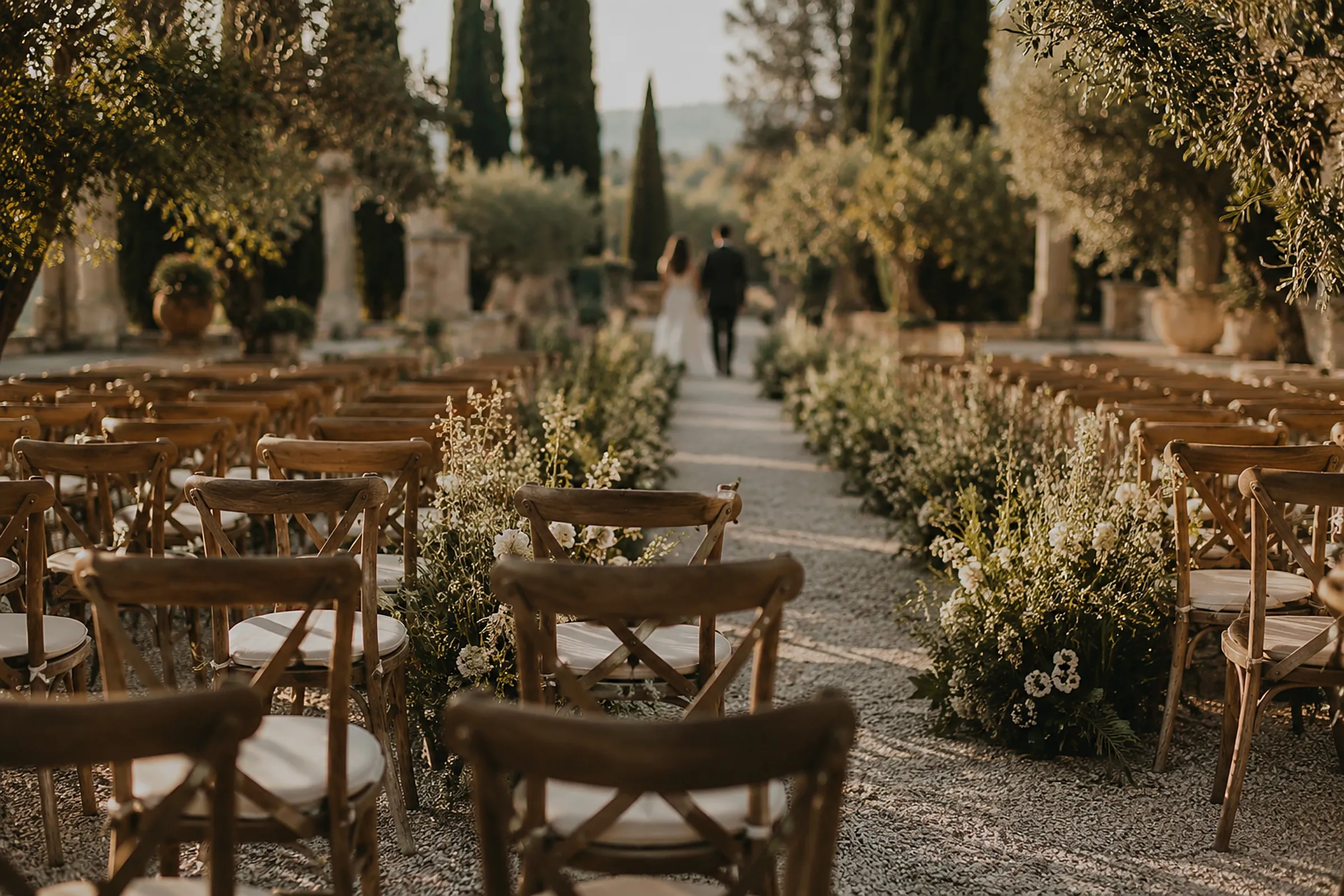
An object that begins as a symbol has to learn the job of being ordinary. It gets scratched, resized, removed, misplaced, and sometimes made meaningful in a new way.
At the jeweler, Noor was asked whether she wanted to see the rings under the “bridal lighting.” She did not know what this meant until a staff member opened a cabinet and the counter filled with a polished white light that made every surface look cleaner than it had a right to. Noor put on a thin gold band and watched her hand become, briefly, the hand from an advertisement: still, manicured, detached from errands or dishes or a job that required lifting boxes. Her partner, Eve, was trying on a wider ring next to her and making a face. “I look like I joined a fraternity,” she said. They both laughed. The staff member did not.
The ring is unusually burdened among wedding objects. It is expected to condense continuity, fidelity, status, memory, taste, and sometimes family history into something that must also survive hand cream, public transport, winter swelling, hot weather, pregnancy, exercise, workplace safety rules, sensory discomfort, and the simple fact that bodies change. Ring exchange is not universal across marriages and ceremonies, and its meaning is not fixed across communities. Within the particular world of people who do wear wedding bands, however, the object has a peculiar second life after the photograph: it has to become equipment.
An object becomes intimate not when it stays immaculate, but when it becomes fluent in the life around it.
Noor and Eve bought two plain bands and one secondhand signet ring that did not match either of them. The signet belonged to nobody in their family. They found it in a tray of damaged pieces, stamped with an initial they did not share, and bought it because it had a dent on one side that looked like a thumbprint. The plan was to keep it on a chain in the kitchen. A private joke, Noor said. A spare witness, Eve said. In the first month of their marriage, the signet sat on a shelf between a jar of salt and a half-dead basil plant. They used it to hold down bills when the window was open.
The plain bands did not fare as elegantly. Eve worked with children and removed hers before certain activities because she did not want a small hand caught against metal. Noor took hers off to make bread, then forgot it on the bathroom shelf, then spent twenty panicked minutes searching the apartment while it sat in the pocket of a coat she had not worn. Once it slipped down the drain at a gym and was recovered only because a cleaner took apart the trap with the resignation of someone who had seen every version of other people’s carelessness. The recovered ring had a new scratch. Noor stared at it on the train home as though she had damaged an agreement.
Eve said, “It looks more like ours now.” Noor hated the sentence when she first heard it. She heard it as a demand to be grateful for loss. Later, she understood the difference. The scratch had not made the ring more meaningful by itself. Not every mark is a lesson. What mattered was that Eve had made room for the feeling Noor was embarrassed to have. She did not say, it is only metal. She said, I know you wanted to keep it as it was. Then she asked whether Noor wanted to have it polished or leave it alone. The choice belonged to the person who had worn it.
That is the quieter design question around wedding objects: what does a thing allow its owner to change? A ring can be resized. It can move to another finger. It can be worn on a chain. It can be stored in a drawer during a season when its meaning is complicated. It can be remade from an heirloom, or not, depending on whether inheritance feels like comfort or pressure. A couple can decide that rings do not suit their work, their bodies, their finances, their aesthetics, or their relationship to visible symbols. None of these decisions cancels the commitment they are asked to signify. It simply prevents the symbol from becoming a test the person must fail.
The language around rings often slips into permanence because the circle is an easy metaphor. But the ring does not prove permanence. It proves proximity. It rests against skin. It catches light on a steering wheel. It leaves a pale indentation when it is removed. It is noticed, sometimes, only when it is missing. This is why rings can become so emotional: not because they contain the whole marriage, but because they are asked to accompany the daily motions through which a marriage is felt or neglected.
Eve began wearing hers on a cord under her shirt at work. Noor kept hers on most days, but took it off before cooking and placed it in the signet ring on the windowsill. Months later, after an argument about whether they could afford to move, Noor came home to find the two bands and the signet on the kitchen table in a small, unceremonious row. Eve had removed hers while washing up. Noor stood in the doorway, irritated that the objects had suddenly become an image of their disagreement. Eve looked at her and said, “I’m not taking it off because I’m leaving.” Then she added, “I’m taking it off because I need to use my hands.”
They sat down. The argument did not disappear. They looked at numbers, decided nothing, ordered food too late, and went to bed with the spreadsheet still open. In the morning, Noor found Eve’s ring looped over the handle of her coffee mug. Her own was in the signet dish. Neither woman had placed them there as a message. That was the point. The objects had returned to their ordinary jobs. They had become less eloquent and more useful.
A year after the wedding, Noor brought her ring back to the jeweler to have the scratch softened. The staff member offered the bridal lighting again. Noor said no. Under the regular lights, the ring looked small, warm, and slightly worn. The scratch did not disappear entirely. It became a faint line she could still find when she knew where to look. She paid for the repair, put the ring back on her finger, and left without buying anything else.
The people and objects in this story are fictional composites. This is not jewelry advice, and it does not make a universal claim about the role of rings across wedding traditions.
Story scenes: Fictional composites; all people, private letters, and relationship details are invented
Filed under
This story is part of the permanent collection of Aura Stories — yours to return to, always.
The Issue
The Issue. Twelve weddings a year, in your inbox.
One dispatch a month — the weddings, the makers, the taste behind them. No spam, leave whenever you like.
The conversation
Comments
No comments yet. Be the first to write one.
Sign in to comment