The dance floor is an argument about temperature.
Good dancing is not a demand for confidence. It is a physical environment that lends people enough ease to make a choice.
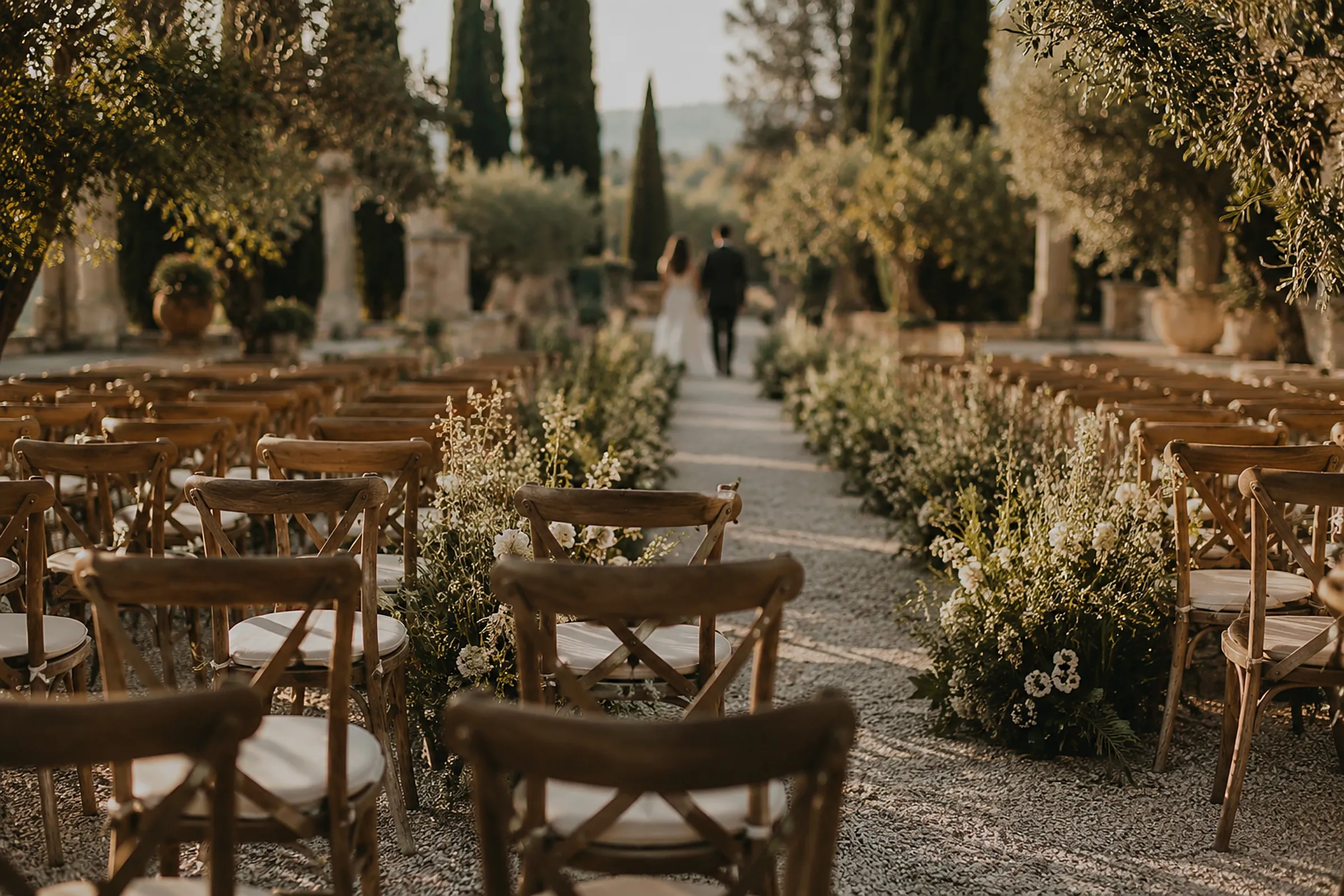
Good dancing is not a demand for confidence. It is a physical environment that lends people enough ease to make a choice.
At 11:18, the dance floor is full in the least cinematic way possible. No one is moving in unison. A friend in a long skirt has sat down at its edge to repair a shoe strap. Two uncles are negotiating the tempo of a song with identical seriousness. A teenager is filming only their own friends. Someone who has been standing near the bar for forty minutes walks in, stays for one chorus, leaves, then comes back. The room is not trying to produce an image of joy. It is conducting an experiment in whether bodies feel welcome there.
We talk about music as though it is the sole author of a dance floor. Music matters, obviously. But an empty dance floor is rarely explained by a song alone. The body arrives with information: whether it has eaten, whether it is thirsty, whether the room is too hot, whether there is a place to put a drink, whether the speakers make conversation impossible, whether there is an easy way to stand near the action without having to join it. A dance floor is a small piece of civic design. It needs edges as much as it needs a centre.
Temperature is the useful word because it makes us think beyond genre. Physical temperature, yes: a tent that holds heat after dinner, a ballroom where the air-conditioning has been set for seated guests rather than moving ones, an outdoor floor that becomes cold beneath bare feet. But also social temperature. How exposed does a guest feel? How quickly can they enter? Do they need to prove that they are the sort of person who dances, or can they simply become one for three minutes?
The most reliable way to lower the threshold is to build several forms of proximity. Keep a little standing room at the edge. Let the water station live close to the music rather than exiled near a service door. Put a few seats within sight, not as a penalty box but as an alternate way to participate. Avoid allowing the DJ booth, speaker stacks, or photographers to turn the entire perimeter into an obstacle course. A guest who can hover comfortably is a guest who may eventually step in.
There is a useful generosity in allowing the floor to be uneven. The goal is not to keep it full in every frame. People need to leave, cool down, find a friend, go to the washroom, sit under a heater, return. A good DJ or band reads these movements rather than treating them as rejection. They notice when the floor wants a chorus, when it needs a song with enough room to sing, when the room has become too self-conscious and could use something unfashionable but collective. Technical virtuosity is not the same as attention.
At one wedding, the band played a slow song much earlier than the schedule suggested. The coordinator briefly worried the energy would drop. Instead, something settled. People paired off in loose configurations: cousins, parents, two friends who had not spoken all evening, a child dancing with a napkin. By the time the tempo rose again, the floor had become less performative. It had learned that it was not being judged for producing the right kind of pleasure.
This is the complication in every ‘party moment’: joy can harden into an instruction. When the couple are told they need a wild last hour, guests become props in an idea of a wedding. When the floor is treated as a series of content beats, the most interesting people may stay outside it. A better ambition is to make a floor that offers confidence as a service. The music helps. So do water, airflow, sightlines, non-slip surfaces, enough time, and permission for the room to take its own shape.
The photographs will still happen. A raised hand, an open mouth, a jacket thrown over a chair—these are good images because they are the by-products of a body forgetting where the camera is. The evidence is better when it has not been demanded. And when the final song comes, the floor should not feel like a cliff edge. Leave something warm to eat. Leave a place to sit. Let the night make a new argument for one more conversation.
A dance floor should lend confidence before it asks anyone to perform it.
Editorial note: A work of editorial fiction; people, places and makers are illustrative.
Filed under
This story is part of the permanent collection of Aura Stories — yours to return to, always.
The Issue
The Issue. Twelve weddings a year, in your inbox.
One dispatch a month — the weddings, the makers, the taste behind them. No spam, leave whenever you like.
The conversation
Comments
No comments yet. Be the first to write one.
Sign in to comment