What the room remembers out loud.
A family can preserve a wedding in sentences no photograph knows how to make.
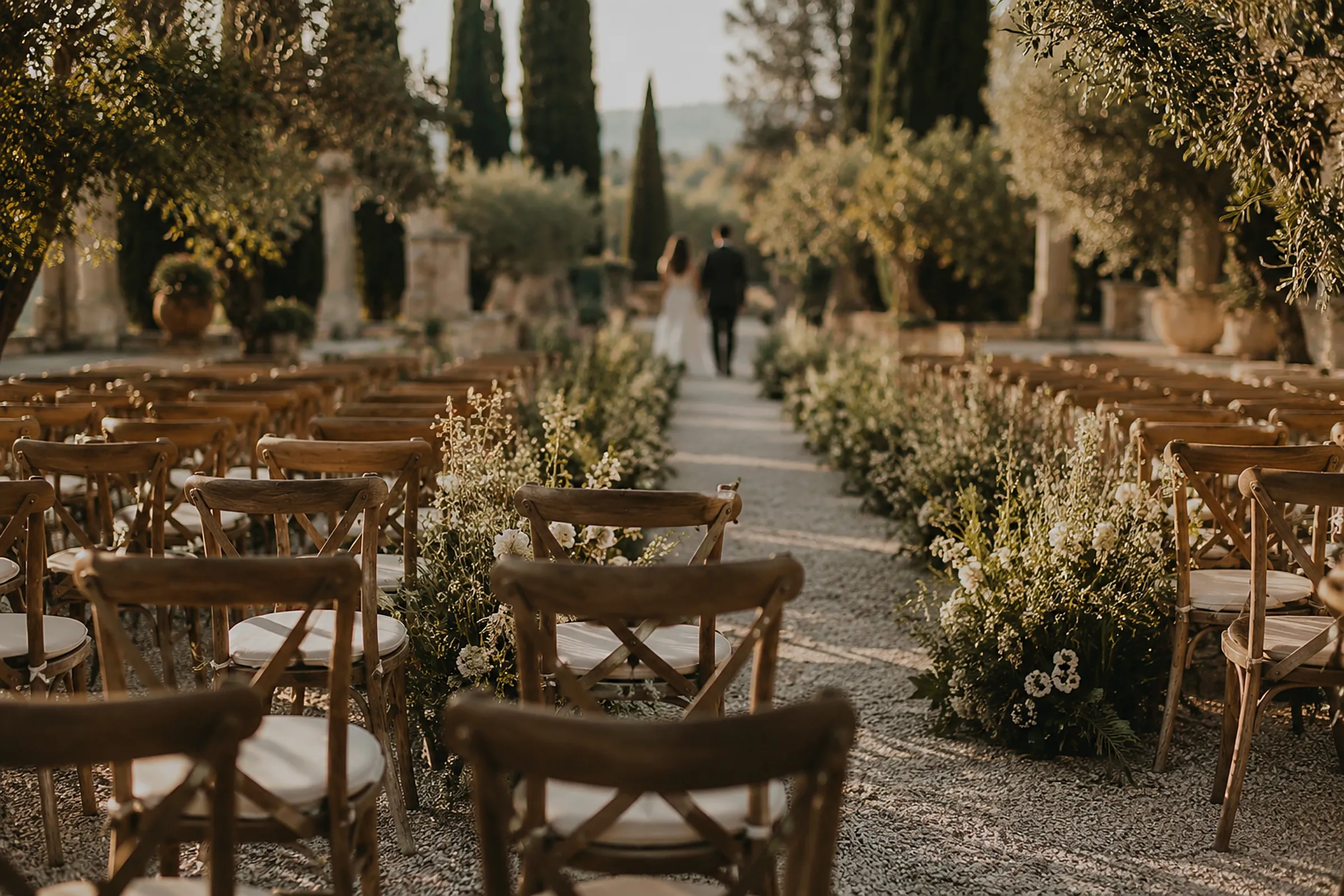
A family can preserve a wedding in sentences no photograph knows how to make.
Keep the voice, not just the image.
Ten minutes of unhurried conversation can preserve a wedding’s weather, its jokes, and the way a person looked while telling you what mattered.
“The rain was not rain,” says a woman remembering her sister’s wedding. “It was more like the sky had decided to take part.” She is eighty-one and is speaking into a phone balanced against a sugar bowl. The photograph of the ceremony, taken beneath a white tent, shows everyone smiling as though the weather had been arranged. Her sentence gives the scene its movement: the wet hems, the quiet panic about the microphone, the way the bride’s father went out to buy every umbrella in the village.
This is what an oral history holds. Not facts in the strict sense—although it often carries those beautifully—but attitudes toward facts. A voice can tell us which moment became important later. It can reveal the punch line the picture never recorded. It can give a wedding back its sound: the aunt who had a laugh that arrived before she did, the band starting too soon, the toast interrupted by a child who wanted to know when dinner was coming.
Families already make these records in fragments. They make them while washing plates together and while looking for the right photograph on a screen. The formal interview simply offers the fragment a chair. It says: tell me this one slowly. What did you see? What did you wear? What is the part no one else remembers?
Questions that do not corner the story
The useful questions are not interrogations. They do not demand a definitive version. Instead, they make space for texture. Ask what the room smelled like. Ask who was unexpectedly calm. Ask which thing was beautiful in person but not in pictures. Ask what was said in the car afterward. Ask what the speaker chose not to mention on the day itself.
These questions work because they ask for a point of view, not a performance. There is no correct answer to whether the dinner felt long or whether the flowers seemed enormous. The point is not to produce a court record. It is to hear the grain in someone’s recollection—the little roughness that turns information into intimacy.
The technical part can be almost insultingly simple: a quiet room, consent, a charged phone or recorder, one person who knows when not to interrupt. Name the recording with the date, the speaker, and the wedding. Keep the original file as well as a copy. If a transcript is made, leave the pauses and interruptions in its margins. They are often where the person is most present.
There is a particular generosity in recording elders, but the practice should not begin or end there. The friend who stayed until the last chair was stacked knows something the parents do not. The caterer may remember the meal by its near disasters. The couple, a year later, may remember nothing about the color of the napkins and everything about the ten minutes they stood alone at the end of the hallway. A wedding has many narrators. Let a few of them speak in their own tempo.
“A voice is a room you can enter with your eyes closed.”
Editorial note: Every story in this edition is an original editorial work. The names and recollections are composites; the feelings, we hope, are familiar.
Filed under
This story is part of the permanent collection of Aura Stories — yours to return to, always.
The Issue
The Issue. Twelve weddings a year, in your inbox.
One dispatch a month — the weddings, the makers, the taste behind them. No spam, leave whenever you like.
The conversation
Comments
No comments yet. Be the first to write one.
Sign in to comment