The photograph that wasn't there.
The missing frame is not always a problem to solve. Sometimes it is where an archive tells the truth about its limits.
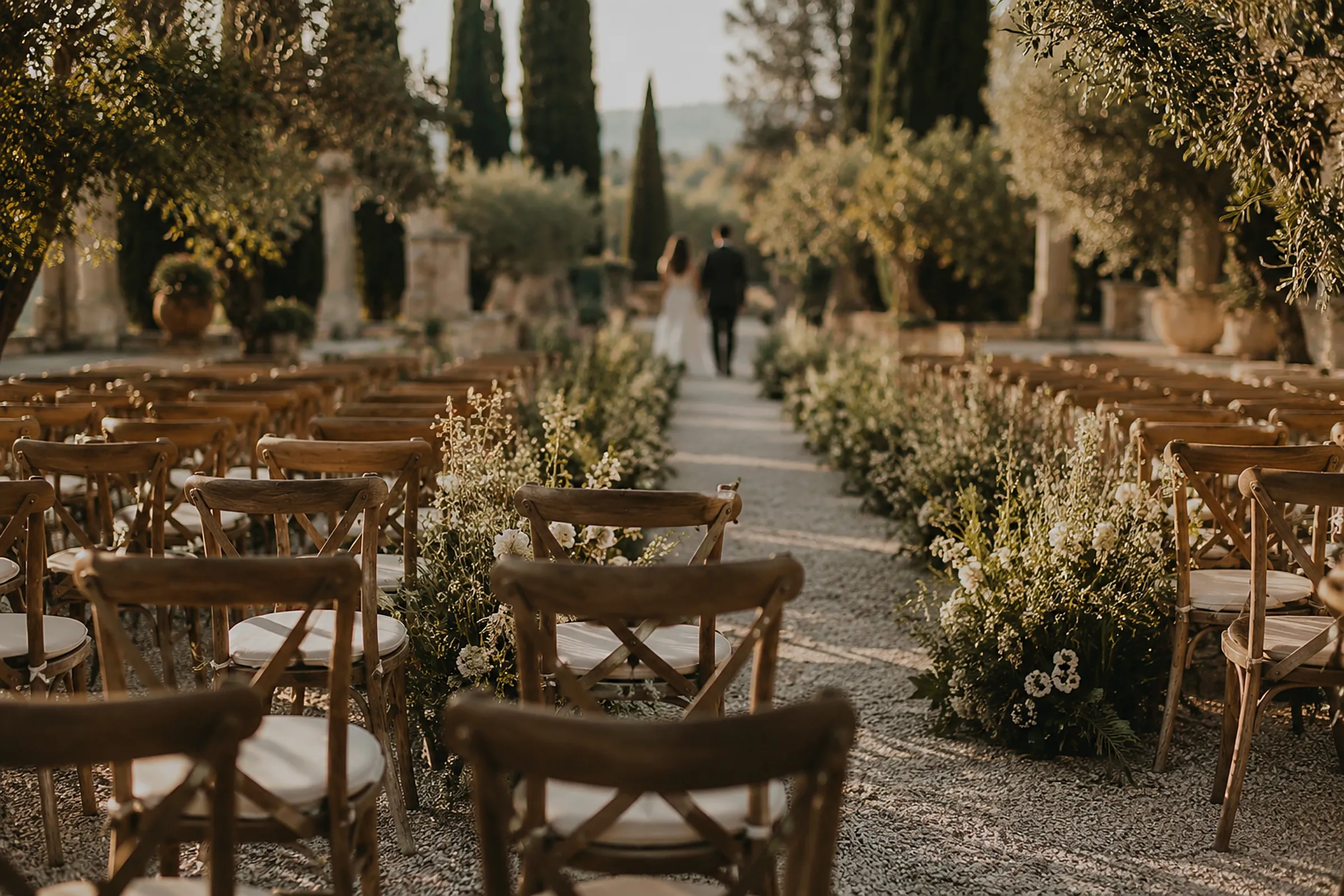
The missing frame is not always a problem to solve. Sometimes it is where an archive tells the truth about its limits.
Absence can have a shape.
Not every blank asks to be filled. A thoughtful record can preserve the outline of what is private, lost, or never captured at all.
In the contact sheet, one rectangle is almost perfectly pale. Around it, a ceremony proceeds in miniature: a veil caught by the wind, a father’s hand, a line of chairs under trees. Then the blank. It could be a processing error. It could be a negative that was never printed. It could be the moment someone asked the photographer to put the camera down. The archive does not say.
We have become accustomed to images as reassurance. If a wedding is photographed, it can be confirmed, repeated, sent around the world before the couple has made it to breakfast. The inverse can feel unsettling. Was the day less real because a particular image is missing? Did the moment count if no one held a phone above it?
Of course it did. But the anxiety is useful because it points to an old confusion: documentation is not experience. A photograph can preserve a face, not the private thought behind it. It can show a reunion, not whether the people involved wanted their joy held for strangers. It can make a beautiful thing portable, and in doing so, make the limits of portability clearer.
What the gap protects
The wedding archive deserves its closed doors. A missing photograph can signal grief, a complicated family history, a child who should not be circulated online, a conversation that asked for no audience. It can also signal simple mercy: the choice to let a person be unobserved during a moment when they needed to be.
There is a temptation to repair the gap with better metadata, sharper scanning, a determined round of messages. Sometimes that is exactly right. A lost image may be found in an aunt’s drawer; a misnamed file may bring an entire scene back into view. But a careful archivist knows when not to pursue every absence until it yields. The blank has information, too. It tells future readers that the collection is not a total claim on the people inside it.
We might learn to annotate this kind of absence without making it theatrical. “Photograph withheld at the family’s request.” “No image made.” “The story continues elsewhere.” These are not failures of curation. They are signs that a wedding had dimensions no camera was asked to enter.
A good archive gives us access. A humane one gives us edges. It says there are things we may remember without possessing, and that a blank square can be a form of care.
“The blank frame does not erase the day. It gives the day a private room.”
Editorial note: Every story in this edition is an original editorial work. The names and recollections are composites; the feelings, we hope, are familiar.
Filed under
This story is part of the permanent collection of Aura Stories — yours to return to, always.
The Issue
The Issue. Twelve weddings a year, in your inbox.
One dispatch a month — the weddings, the makers, the taste behind them. No spam, leave whenever you like.
The conversation
Comments
No comments yet. Be the first to write one.
Sign in to comment