The archive is not neutral.
Wedding memory is an edited inheritance. The work is not to make it perfect; it is to give the next person more than one way in.
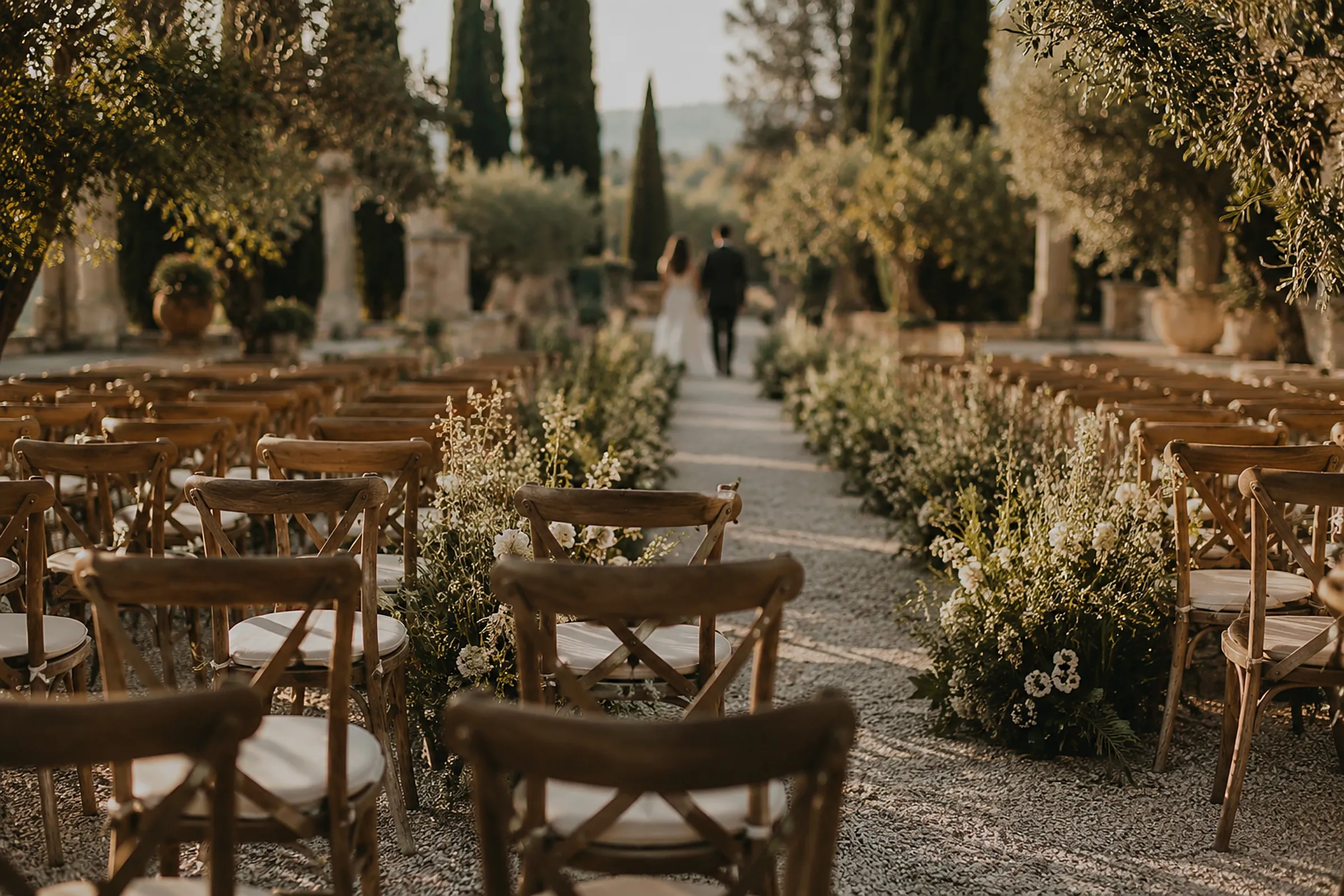
Wedding memory is an edited inheritance. The work is not to make it perfect; it is to give the next person more than one way in.
Every wedding has two endings. The first is practical: the lights go up, someone discovers a shoe behind a chair, the last person takes home an impossible quantity of cake. The other arrives later, sometimes slowly. It begins when a photograph is sent, when a mother tells the same reception story differently than a brother does, when the dress comes back from cleaning with a tiny stain that no one remembers making. This is the beginning of the archive.
We use that word as though it means a room with the temperature turned down. But an archive is not storage. It is a series of decisions: what gets named, what gets put in a sleeve, what is allowed to remain loose. It makes a point of view out of leftovers. Weddings teach this gently and immediately. One hundred people leave with one hundred versions of an evening. The album can only hold a few.
That is not a failure of the album. It is its human job. The difficulty begins when we mistake a neat record for a complete one. The professionally made image, with its immaculate light and well-managed background, may carry the shape of the day better than anything else. It may also skip the cousin learning how to pin a boutonnière, the person who sat outside during the speeches, the small disagreement that later becomes family legend. A single clean account can make an event look simpler than it felt.
A record with room in it
The most generous wedding archives do not try to be comprehensive. They make room for contradiction. They keep the formal portraits, of course, but also the voice memo from a grandparent who was too moved to attend, the napkin with a child’s drawing of the cake, the short list of songs that never got played. They accept that a wedding is not only a visual event. It is a tempo, a smell, a private joke with no supporting evidence.
Consider the difference between a caption and a note. A caption says what the picture contains: two people walking back down an aisle. A note says what it was like to be there: we had all stopped pretending we were not crying. The first helps a future reader identify the scene. The second gives them an entrance. Both belong in the box.
A small archival principle: Preserve at least one thing that makes no sense without someone there to explain it. It will become an invitation to tell the story, rather than a closed account of it.
There is also the matter of permission. Not every meaningful thing should be kept publicly, and not every record wants to travel through every branch of a family. Care is part of preservation. A good archive knows the difference between access and ownership. It can say: this photograph is beautiful, and this story is not mine to circulate. It can keep a letter sealed. It can leave a name out.
The question, then, is not whether to preserve a wedding. We already do, by keeping a flower in a book or repeating the toast at another table years later. The question is what kind of witness we want the collection to become. A perfect record can feel airless. A living one leaves its edges available to the next person who finds it, sits down, and begins asking questions.
“An archive is not proof that memory happened correctly. It is proof that someone cared enough to keep looking.”
Dear future cousin,
If you are looking for the whole day, you will not find it here. You will find the ribbon, the photographs, the six versions of the first dance, and the receipt from the flowers. Please add the part you remember.
With love, the people who stayed late.
Editorial note: Every story in this edition is an original editorial work. The names and recollections are composites; the feelings, we hope, are familiar.
Filed under
This story is part of the permanent collection of Aura Stories — yours to return to, always.
The Issue
The Issue. Twelve weddings a year, in your inbox.
One dispatch a month — the weddings, the makers, the taste behind them. No spam, leave whenever you like.
The conversation
Comments
No comments yet. Be the first to write one.
Sign in to comment