The Table After the Toast
Reflection
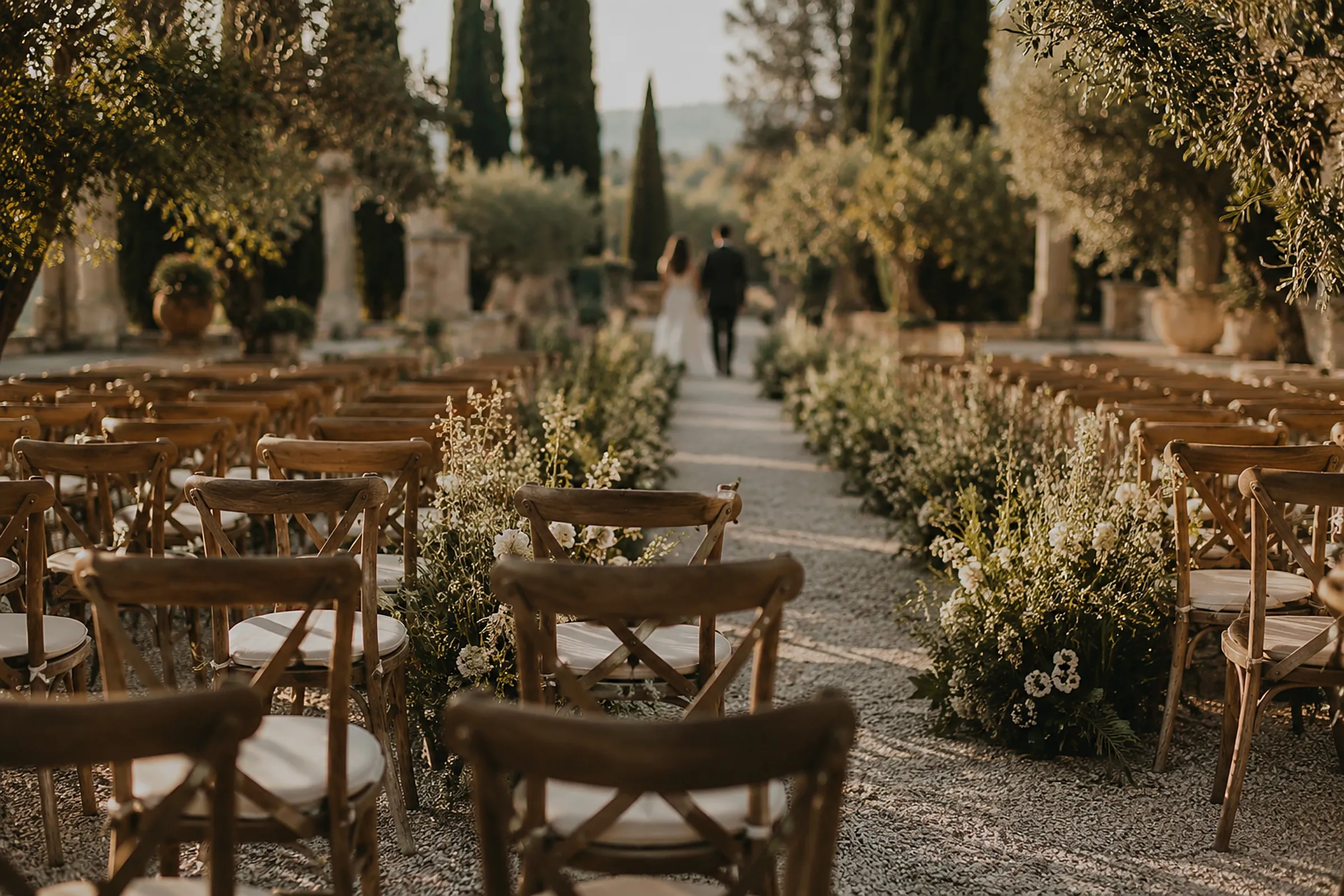
Reflection
There is a small, unguarded hour after a wedding meal: the flowers have loosened their arrangement, the formal seats have been abandoned, and the people who remain begin to speak in a more useful register. The table, which spent the evening carrying ceremony, becomes a site of repair.
At that hour, families often discover the shape of what has changed. A brother who has been busy all day finally sits down. A parent remembers a detail they had been too nervous to say. New in-laws begin to compare the way each household cooks rice, tells time, leaves lights on. The conversation is rarely grand. That is its power. It gives everyone permission to trade performance for texture.
The phrases that stay with people are usually modest ones: “You must come next week.” “I saved you some.” “Send me the photo of that.” They are not declarations of permanent ease. They are doorways into it. A changed family is not a seamless new unit; it is a table with more kinds of silence around it, and the chance to learn which silences are comfortable.
There is wisdom in letting the evening end before every feeling has been named. Some things need to travel home with people. Some belong to the next phone call, the next shared errand, the next festival. The work of joining families is not concluded by a toast. It begins when the glasses are empty and someone, without asking whose job it is, starts stacking the plates.
Editorial note: A work of editorial fiction; people, places and makers are illustrative.
Filed under
This story is part of the permanent collection of Aura Stories — yours to return to, always.
The Issue
The Issue. Twelve weddings a year, in your inbox.
One dispatch a month — the weddings, the makers, the taste behind them. No spam, leave whenever you like.
The conversation
Comments
No comments yet. Be the first to write one.
Sign in to comment