A Door Is an Agreement.
Every wedding makes a ceremony of passage. The quieter work begins in the doorway: the small, unspectacular decision to enter a life together, and to let the world see you do it.
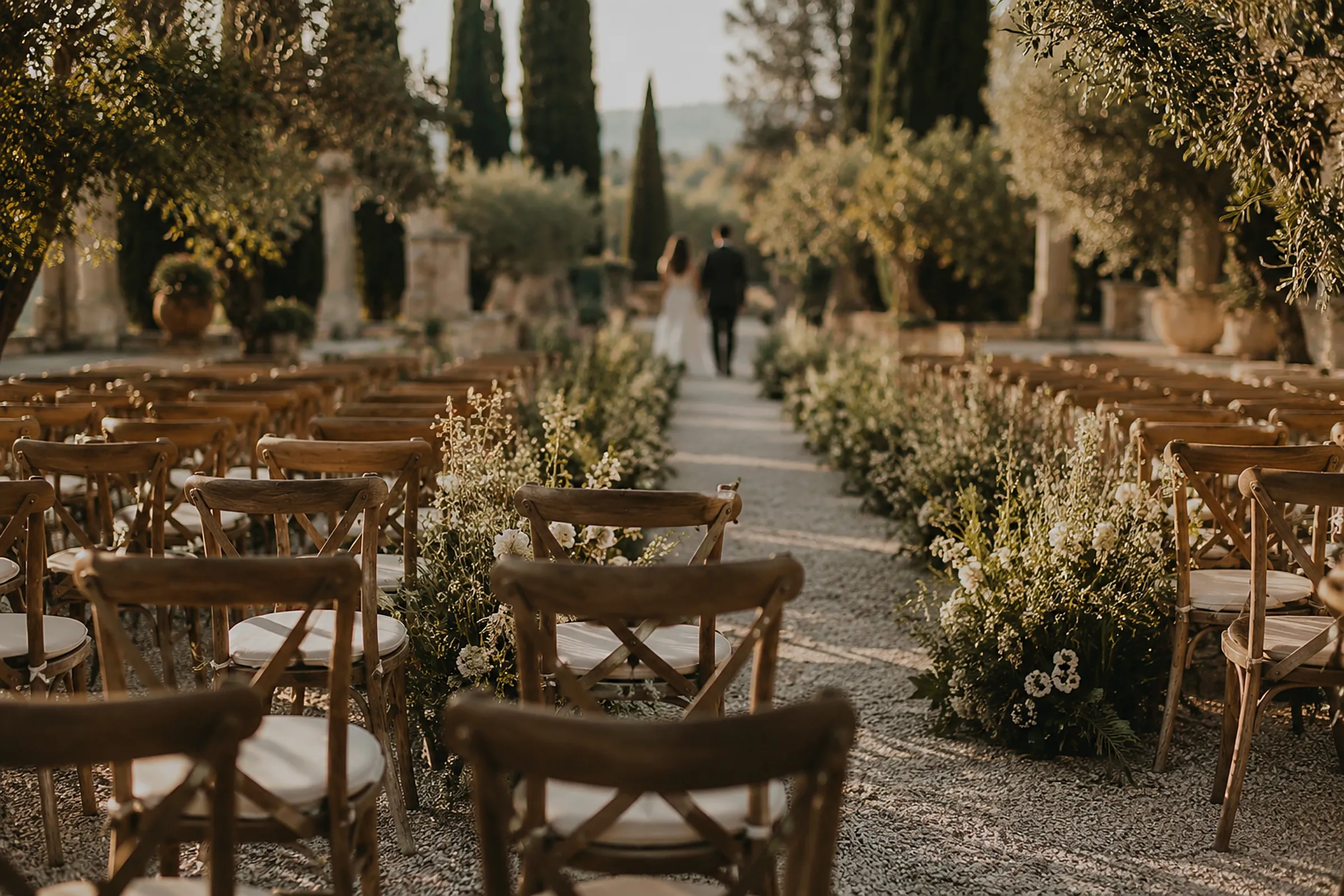
Every wedding makes a ceremony of passage. The quieter work begins in the doorway: the small, unspectacular decision to enter a life together, and to let the world see you do it.
The first threshold is almost never where we expect it. It is not the stage, or the mandap, or the moment a name is announced to a crowded room. More often, it is a hand on a brass latch after everyone has left. It is a suitcase still zipped by the wall. It is two people standing in the hall of a house that has not yet learned their voices.
We make a great deal of the public arrival because weddings are beautifully public things. They gather families, languages, good intentions, and old histories into one temporary architecture. There is a route to walk, a room to enter, an order in which people become visible. But the ceremony at the centre of all that movement has a private sequel. After the procession has passed, the door remains.
A door asks for a particular kind of courage. Unlike a horizon, it has an edge. It makes before and after feel precise. On one side lie the habits that have made you legible to yourself: the cup in the familiar cupboard, the room that remembers your sleeplessness, the family shorthand no one else has had to learn. On the other is a shared vocabulary still being invented. There may be tenderness in that blankness. There may also be a very ordinary fear.
The useful truth is that the new home does not demand a dramatic crossing. It rarely arrives as a finished picture. It is made from a thousand unphotographed entrances: a parent who rings before coming in; a partner who leaves the window open because the other prefers the sound of the street; the first meal that fails and becomes, somehow, a story. These are not afterthoughts to the wedding. They are its living material.
Architecture understands this. The best rooms do not insist that you admire them all at once. They hold you at the edge for a moment, then offer a sequence: cool shade, a change in ceiling height, a window turned toward something unexpectedly green. The new life asks for the same patience. There is no need to become fluent overnight. There is only the next room, the next shared gesture, the next time one person says, without spectacle, “Come in.”
Perhaps that is why thresholds have always been treated with ceremony. We hang things above them, mark them, light them, step over them with care. We know instinctively that arriving is not simply moving from outside to inside. It is agreeing to be changed by a place—and, more difficult, agreeing to change it in return.
Editorial note: A work of editorial fiction; people, places and makers are illustrative.
Filed under
This story is part of the permanent collection of Aura Stories — yours to return to, always.
The Issue
The Issue. Twelve weddings a year, in your inbox.
One dispatch a month — the weddings, the makers, the taste behind them. No spam, leave whenever you like.
The conversation
Comments
No comments yet. Be the first to write one.
Sign in to comment