The Art of Arrival
A graceful welcome is not an entrance cue. It is an act of attention—and a rehearsal for how a family will make space for two people at once.
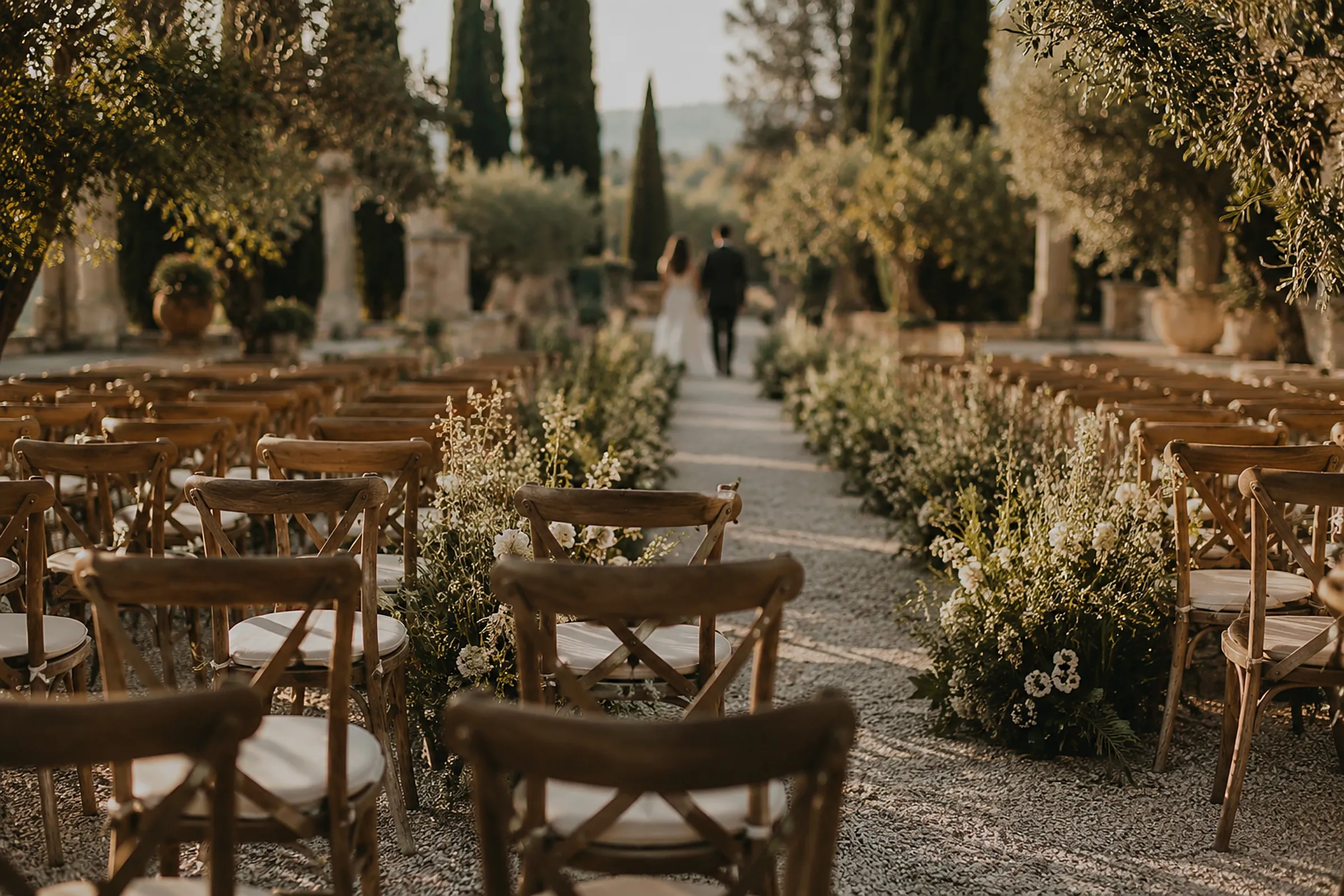
A graceful welcome is not an entrance cue. It is an act of attention—and a rehearsal for how a family will make space for two people at once.
At every wedding, someone is thinking about arrival. A cousin watches the driveway. An aunt makes sure the tea is hot. A friend checks the light in the room where people will remove their shoes. These gestures can look peripheral beside the bright choreography of the day, but they are often where its meaning gathers.
To arrive well is to feel that someone imagined your body before you appeared: where you might pause, what you might need, which hand would be free to take yours. This is not extravagance. It is hospitality in its most exact form. And it is quietly radical in a culture that can mistake speed for welcome.
Marriage asks families to practice this art at a new scale. Not the performative version, with perfect rooms and pleasing photographs, but the long version: learning which stories can be told again and which should rest; making a chair at the table feel available before anyone asks; letting a new relative be strange for a little while without turning their strangeness into a problem to solve.
The most generous arrivals leave a little empty space. They do not demand that a person respond in the right tone or become intimate on schedule. They offer a glass of water, a useful question, a place to set down a bag. Their message is simple enough to believe: you are here; take the time you need to arrive.
Editorial note: A work of editorial fiction; people, places and makers are illustrative.
Filed under
This story is part of the permanent collection of Aura Stories — yours to return to, always.
The Issue
The Issue. Twelve weddings a year, in your inbox.
One dispatch a month — the weddings, the makers, the taste behind them. No spam, leave whenever you like.
The conversation
Comments
No comments yet. Be the first to write one.
Sign in to comment