A room is a political instrument
To listen to a wedding closely is to hear who has been expected, who is permitted to take time, and what a group of people has decided to carry together.
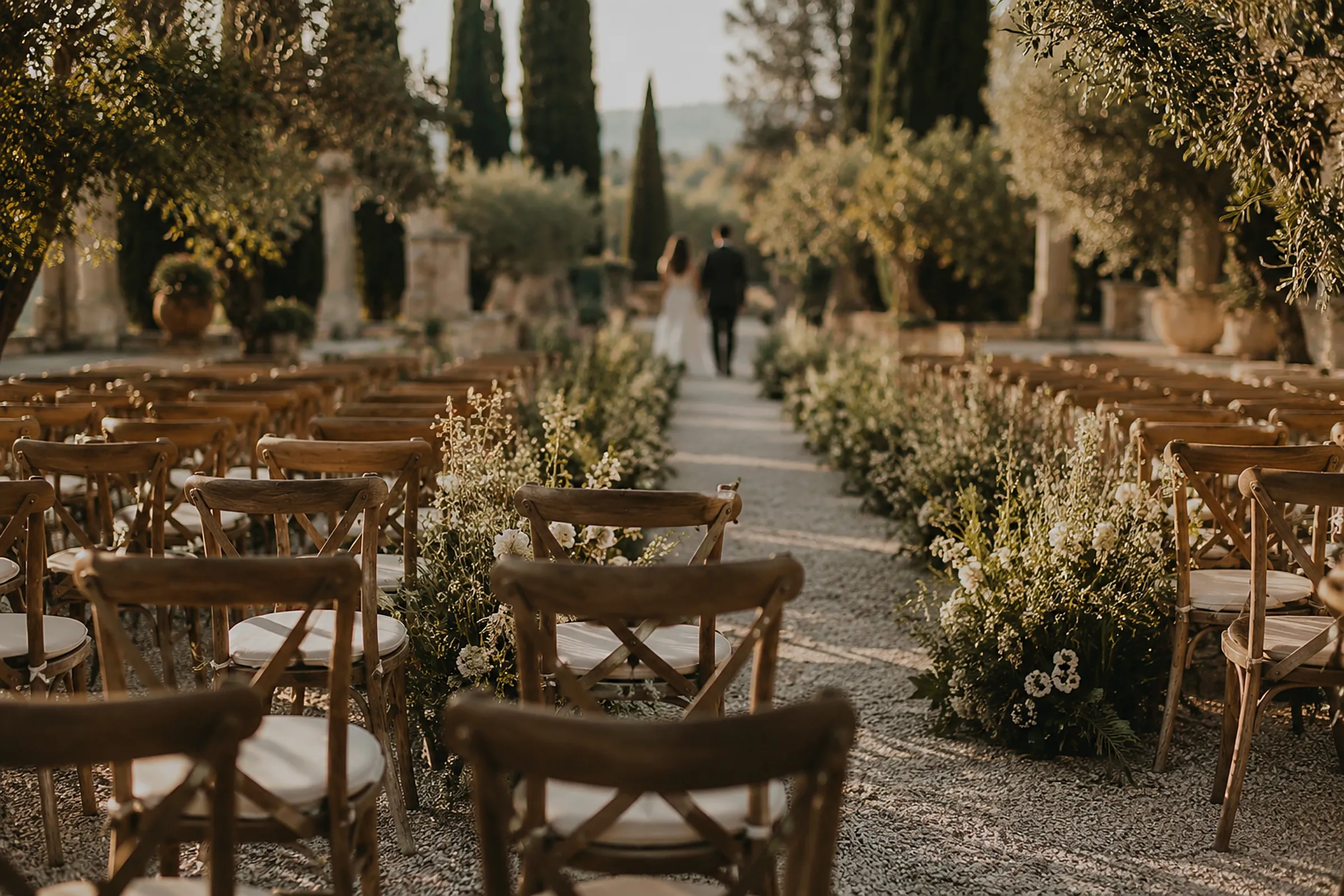
To listen to a wedding closely is to hear who has been expected, who is permitted to take time, and what a group of people has decided to carry together.
We are accustomed to speaking about weddings as pictures. We remember the weather, the cut of a jacket, the arrangement of chairs, a hand held halfway across a table. Pictures are generous witnesses. They keep the evidence that a day occurred. But they can also make a wedding seem smoother than it was: one uninterrupted sequence of beauty, properly lit. Sound refuses that polish. Sound records the zipper catching, the kettle boiling in a service corridor, the aunt who asks whether anyone has seen the rings, the air-conditioning that starts just as a reader reaches the difficult part of a blessing. It keeps the living grain of a gathering.
This issue began with a simple suspicion: that the sound of a wedding often tells a truer story of its relationships than the photograph. A room can look unified while its sound is divided. One person speaks beautifully into a microphone and another is told they are too quiet to hear. A song is shortened so the schedule will run on time. A prayer is translated until its texture disappears. The family with the loudest relatives receives the most space. The vendor with the headset decides, perhaps without meaning to, whose voice is allowed to carry. These are not minor technical details. They are choices about presence.
The work beneath the music
A good sound plan is not a playlist. It is an agreement about attention. It asks whether the person who speaks slowly will be given enough quiet; whether an elder needs a chair close to the microphone; whether a prayer can remain in the language in which it matters; whether staff are given the advance notice they need to move without becoming part of the ceremony by accident. It asks the couple to distinguish between a moment that needs amplification and a moment that needs protection from it. The answer is rarely more equipment. Often it is more thought.
We have tried to write toward that thought without turning sound into a metaphor for everything. There is enough vague language around weddings already. What interests us is the material fact of a voice in a room: the way it alters posture, allocates confidence, gathers a crowd, exposes a hierarchy, makes a private memory public. The essays that follow are fictional composites, built from the kinds of moments people recognise even when the details are not their own. They are not reportage. Their aim is more modest and, we hope, more useful: to make the reader hear a familiar ritual with greater precision.
What silence can do
Silence matters here, too—not as an expensive mood, and not as the absence of fun. A silence before an entrance can be a group of people deciding to offer their full attention. A silence after a parent speaks can be a room allowing an untranslated sentence to land. The quiet after departure can be the first honest moment a couple has had all day. Silence is not empty space around the important thing. It is one of the ways importance is made.
There are celebrations that sound immaculate because every gap has been filled. There are also celebrations that make room for an unexpected laugh through a wall, a child who answers a prayer too early, a song that runs long because the people singing it cannot bear to leave the final line alone. We are interested in the second kind. Not because disorder is inherently romantic, but because a gathering becomes human when it can absorb the actual people inside it.
Read this issue in any order. Open the cover story for the work that happens before a room gives itself over to ceremony. Read the pieces on speech, translation, percussion and departure as separate studies in attention. Visit the Listening Room without sound on; its sequence is an invitation to notice what your own memory supplies. Then, perhaps, carry one small question into the next wedding you attend: when this room becomes quiet, whose voice are we preparing ourselves to hear?
Sound is not decoration. It is the room’s emotional architecture—and sometimes its clearest record of power.
Editor's note: The scenes in this issue are editorial composites. Read them as crafted field notes, not reported portraits.
Filed under
This story is part of the permanent collection of Aura Stories — yours to return to, always.
The Issue
The Issue. Twelve weddings a year, in your inbox.
One dispatch a month — the weddings, the makers, the taste behind them. No spam, leave whenever you like.
The conversation
Comments
No comments yet. Be the first to write one.
Sign in to comment