Percussion is an instruction to gather
A beat does not ask whether you know the choreography. It offers a piece of ground and waits to see who will claim it.
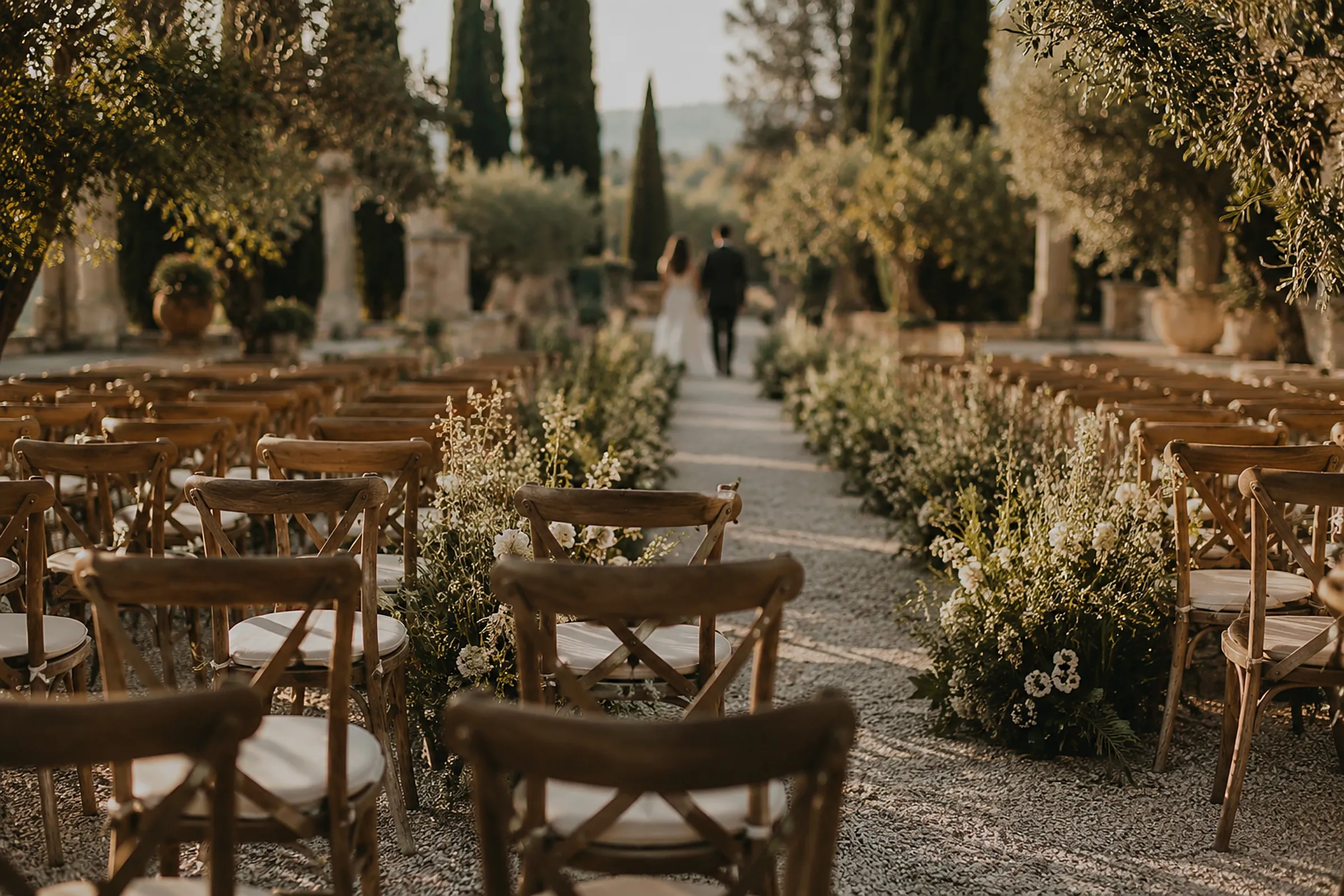
A beat does not ask whether you know the choreography. It offers a piece of ground and waits to see who will claim it.
At 9:40, the dance floor has the uneasy brightness of a place people are waiting to be invited into. The first few songs have done what first songs often do: they have created small islands. Friends dance with friends. Older relatives stand near the edge and assess the volume. A child runs in a circle because no one has yet told them that the evening has rules. Then the percussionist steps out from behind the band and changes the conditions of the room.
She does not play louder. She plays nearer. The drum is held at the edge of the floor, where people can see the hands making the pattern. It is a modest decision with a large consequence. Sound from a stage asks the room to face forward. Sound made at floor level gives people a way to enter sideways. An uncle begins clapping. A woman who has spent the evening sitting because her shoes are difficult puts down her bag and moves one shoulder. Two families who have met only in formal poses suddenly share a count.
The difference between a beat and a demand
There is a version of wedding percussion that operates like an order: everyone up, everyone louder, nobody left at the edge. It can produce a spectacular image and a private dread, especially for guests whose bodies do not move easily or whose relationship to being watched is complicated. The better invitation is specific rather than total. Let the people who know the rhythm begin it. Let someone demonstrate without becoming entertainment. Keep an edge clear for those who want to participate from a chair, a doorway or the perimeter.
Rhythm can be democratic, but it is not automatically so. Like any shared form, it can enforce belonging as easily as it can create it. Who is allowed to start the song? Whose music is treated as the universal language of joy, and whose is placed later in the evening as a ‘cultural moment’? Who has been given the rehearsal, the microphone, the space on the floor? These questions are not designed to drain pleasure from a party. They make a deeper pleasure possible: the kind in which people recognise that their ways of moving matter.
The room becomes an instrument
The percussionist changes the pattern. A friend from the other family answers with a hand on a table. It is not planned. The band notices and leaves a gap. This is the skill behind a good dance-floor set: not relentless addition, but an ability to hear when the room is already producing the more interesting sound. The drummer pulls back. The clapping becomes audible. For a few measures, the room is carrying itself.
A guest who had seemed shy all evening now leads a line of younger cousins across the floor. Nobody announces them. Nobody asks whether the step is correct. The people who know it make room for the people who do not. Someone misses the turn and laughs. The error becomes contagious. This is not the polished unity of a coordinated entrance. It is a temporary common language, built from the willingness to be seen trying.
What the technician hears
From the side of the room, the technician watches the sound levels rather than the dancing. Her work becomes especially delicate here. Too much bass and older guests retreat to the corridor; too little and the dancers feel as if their own energy has been ignored. She lowers the music slightly when the clapping rises. She gives the drummer enough presence to guide the room without erasing it. The adjustment is almost invisible, which is why it works.
The best party sound preserves evidence of participation. It leaves a place for shoes on wood, for a collective intake of breath when someone unexpectedly takes the centre, for the rough little choir of people singing only the last word they know. It does not sand every texture into a single polished track. What is being made is not content. It is consent: a room agreeing, moment by moment, to move together.
By the end of the song, the child who had been running in circles has fallen asleep against an aunt’s shoulder. The floor is not full in the way photographs like to call full. It is full enough. People are crossing it to get water, to find a parent, to join for one song and leave for two. The beat continues beneath all of this, ordinary and insistent. It is not asking anyone to become someone else. It is simply saying: there is ground here. You may meet us on it.
A beat is not background. It is a proposal about who gets to enter the shared body of a room.
Editor's note: A study in invitation, access, rhythm and the intelligence of leaving space.
Filed under
This story is part of the permanent collection of Aura Stories — yours to return to, always.
The Issue
The Issue. Twelve weddings a year, in your inbox.
One dispatch a month — the weddings, the makers, the taste behind them. No spam, leave whenever you like.
The conversation
Comments
No comments yet. Be the first to write one.
Sign in to comment