The second meal.
Before a wedding meal becomes a roomful of plates, there is another meal moving quietly at the edges: the one that feeds everyone whose hands are occupied.
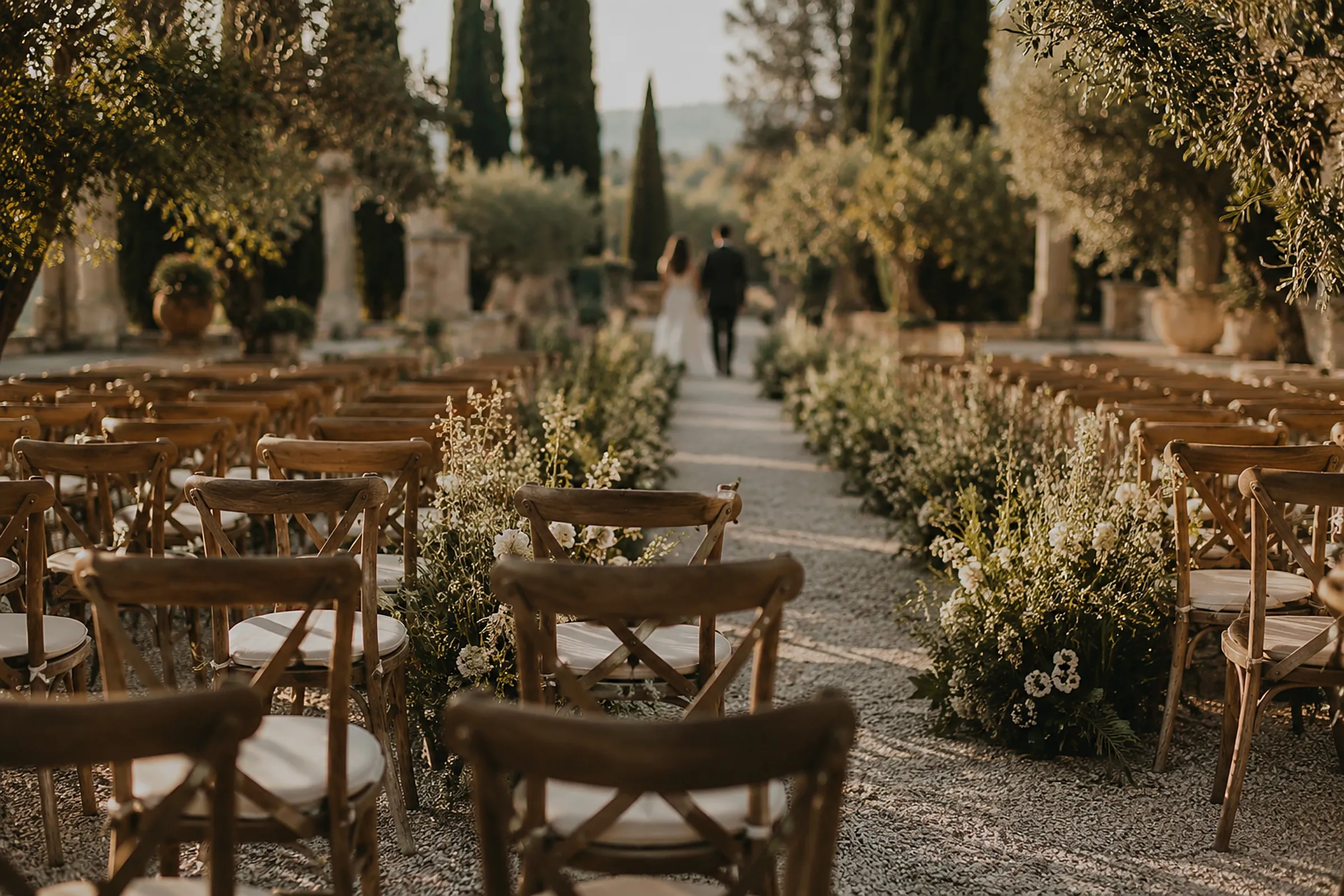
Before a wedding meal becomes a roomful of plates, there is another meal moving quietly at the edges: the one that feeds everyone whose hands are occupied.
At most weddings, the kitchen has its own clock. It begins long before the first guest feels hungry and carries on after the last guest has remembered to eat. In the narrow strip of time before a ceremony, a cousin appears with tea for the photographer. A planner puts a spoonful of rice in her mouth while standing. Someone’s father insists that the drivers take food first. A plate travels behind a curtain to the woman fixing the veil.
This is not a catering note. It is a portrait of a family’s instinct for provision. The second meal belongs to no printed menu, yet it may be the truest expression of a wedding’s hospitality. It asks not: how will this look? It asks: who has been standing too long; who is working with both hands; who has not had a chance to sit down?
There is a small dignity in being fed without having to declare a need. The cook knows this. So does the aunt who packs fruit in a cloth napkin. So does the friend who makes a plate and slides it toward the person stationed at the entrance. Their action is not sentimental. It is practical, which is why it carries weight. Care gains force when it understands the body.
The people who make weddings often become temporarily invisible to their own hunger. There is one more garland, one more chair, one more message to answer. Food brings them back to scale. A warm dumpling held in one palm says: you are still a person inside the task. Sit. Take a minute. The day can survive sixty seconds without you.
Much of a wedding’s beauty lives in this refusal to divide the room into guests and everyone else. The best evenings know that a vendor can be an honoured witness, that a sibling carrying boxes can be offered a chair, that the person who tightens a final screw deserves the same warmth as the person about to give a speech.
After the ceremony, the second meal changes form. It becomes a bowl left under a napkin. A flask of chai in a corner. The last sweet saved because someone said, “She likes these.” The room is learning, all day, that generosity is most convincing when it has good timing.
Aura Stories / Edition 11: The Hands is an original editorial fiction. Its people, scenes, and imagery are imagined in honour of real human care.
Filed under
This story is part of the permanent collection of Aura Stories — yours to return to, always.
The Issue
The Issue. Twelve weddings a year, in your inbox.
One dispatch a month — the weddings, the makers, the taste behind them. No spam, leave whenever you like.
The conversation
Comments
No comments yet. Be the first to write one.
Sign in to comment