Make the route easy to love.
Five observations for arranging an arrival that feels generous rather than merely organised.
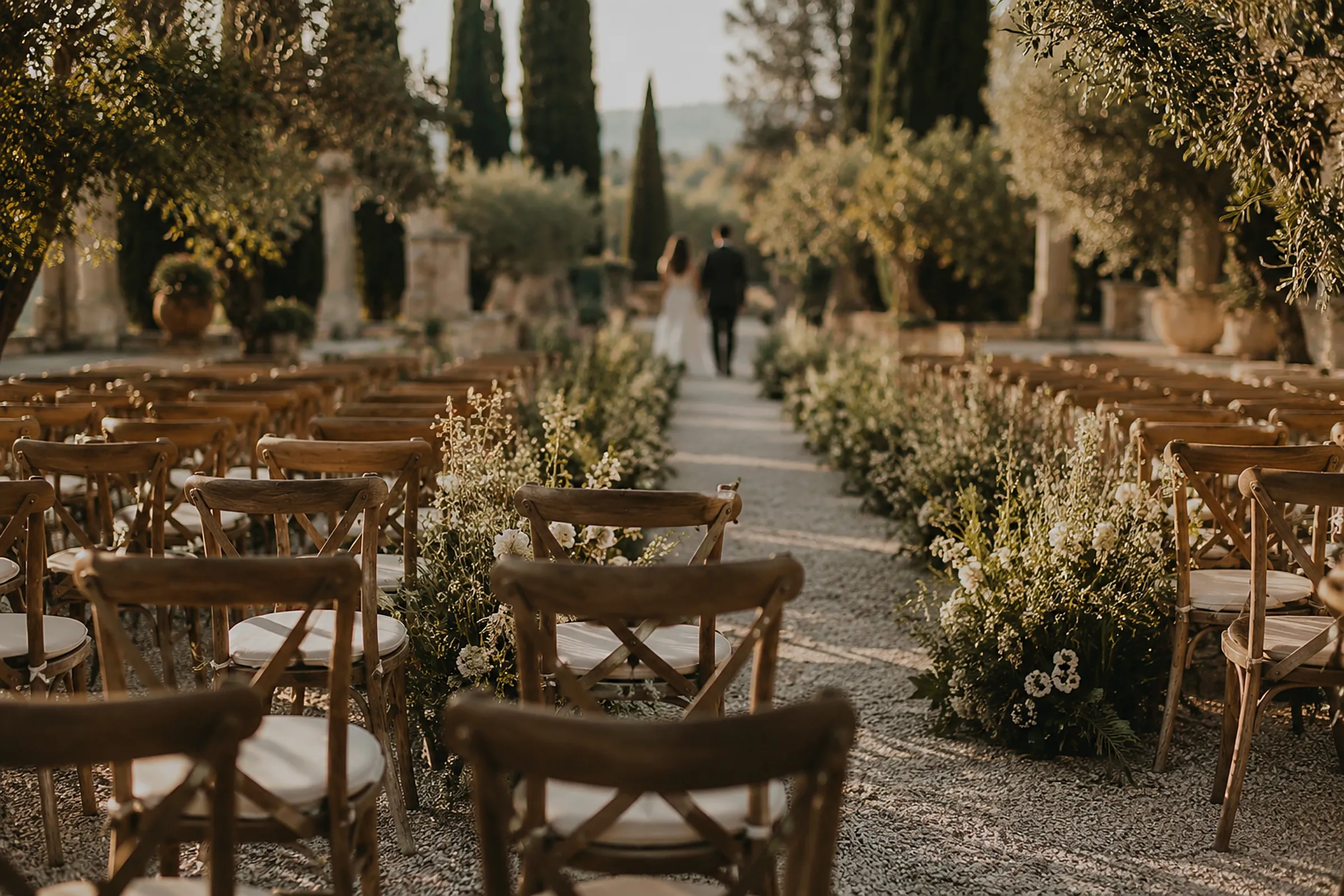
Five observations for arranging an arrival that feels generous rather than merely organised.
Start with the difficult arrival.
Plan first for the guest most likely to need a slower, clearer way in—not the person who can improvise a transfer with one hand and a flat phone battery. For Ines and Tomas that guest was Aunt Mireille, and planning her two-train route first settled half the questions about everyone else. It costs an extra night and a slower change; the alternative is a guest who quietly decides the day is too far.
Put the welcome before the instructions.
Tell guests why this place matters before you tell them where to park. A route becomes easier to follow when it has an emotional destination. Their welcome sheet opened with three sentences about why a town that belonged to nobody suited them both; the parking came fourth. Keep the why to a paragraph, not a manifesto.
Treat waiting as part of the event.
A thirty-minute gap can be a small pleasure when there is shade, water, somewhere to sit, and a person who knows what happens next. Behind the town hall there was a wall in shade and a jug of water on a trestle, and Oren asked before he borrowed the corridor’s folding chairs. A waiting area needs a person, not a sign; budget someone’s half hour for it.
Name the handover.
A real welcome has an owner: the cousin at the station, the host at the gate, the friend who knows which room has the spare pins. Let responsibility end somewhere, too. Kasia’s welcome ended at the courtyard gate, where she gave Lidia’s arm to Sana and went to change. Write the handovers down with times; a welcome with no end point becomes one person’s entire day.
Give people a graceful way home.
The final logistics carry the same emotional charge as the first. A reliable car, a clear last train, a packed snack—each says the gathering still has you in mind. Every guest’s last leg was on the sheet before the first one: the late bus to the junction, two cars booked for the airport at six, a paper bag of bread and fruit by the courtyard door. Arrange it early; it is the part people are too tired to arrange for themselves.
Editorial note: A work of editorial fiction; people, places and makers are illustrative.
Filed under
This story is part of the permanent collection of Aura Stories — yours to return to, always.
The Issue
The Issue. Twelve weddings a year, in your inbox.
One dispatch a month — the weddings, the makers, the taste behind them. No spam, leave whenever you like.
The conversation
Comments
No comments yet. Be the first to write one.
Sign in to comment