When strangers become one table.
What actually happens when the guest list contains three families, two languages, an ex, a very small child, a pair of reluctant plus-ones and the future?
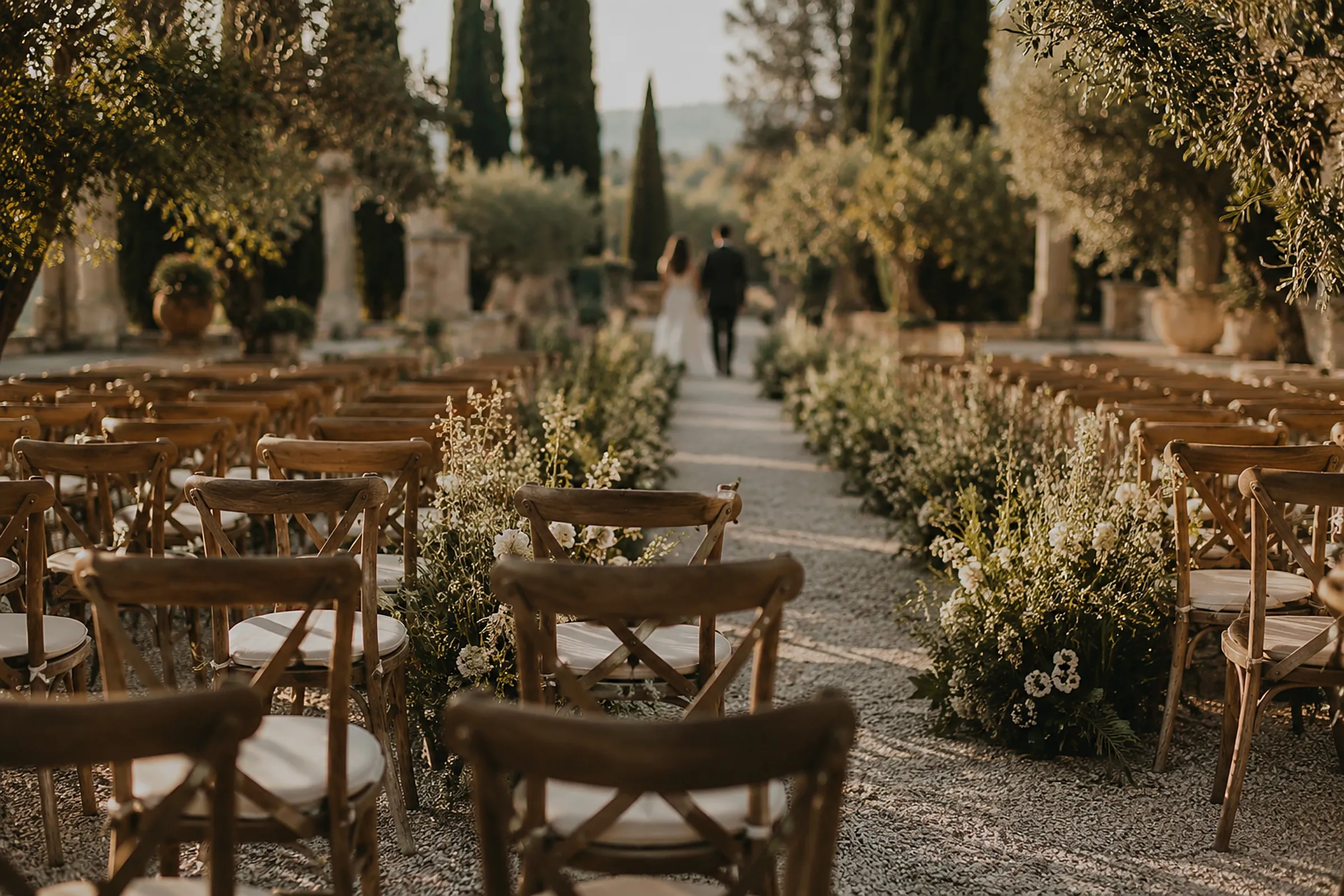
What actually happens when the guest list contains three families, two languages, an ex, a very small child, a pair of reluctant plus-ones and the future?
First, a little awkwardness.
It is good news when a wedding table feels slightly unknown at the start. Unknown means the room has not been arranged as a set of private islands. The first question—where are you from, how do you know them—may be ordinary. The point is that it has been made possible without anyone having to perform an entrance.
Then, a shared object.
A platter passes more easily than a conversation begins. So does bread, a bowl of fruit, a carafe, a sauce that needs an opinion. The things in the middle make little bridges. Nobody needs to manufacture chemistry when there is an actual task between them.
Finally, permission to stay.
The table becomes itself after the first course, when no one is trying to be charming anymore. People lean. A sleeve gathers a sauce mark. The friend who was worried about being seated with strangers realizes that the strangers have been listening. It is intimacy made through duration.
A guest list is often described in categories: family, friends, colleagues, children. At dinner, those categories are less useful. People arrive with their own private weather. They are tired, amused, grieving, nervous, hungry, suspicious of assigned seating, deeply relieved to see a particular face. A good table does not flatten that weather. It gives it somewhere to go.
One guest, recalling a wedding where she knew nobody beyond the couple, said the turning point was dessert. The person across from her had been quiet all evening until the plate arrived: grilled peaches, cream, something with rosemary. He said it tasted exactly like his father’s garden. Someone else said her father grew them too. A third person began describing a terrible peach tree in a shared rental house. By the time the speeches started, nobody had become a best friend. But the table had its own memory.
That is the actual promise of the wedding feast: not instant intimacy, but a temporary commons. For a few hours, the people who have made these two people become possible share one small economy of attention. You ask before taking the last piece. You notice someone needs water. You laugh at a story whose context you do not entirely know. You inherit, briefly, a set of people who will matter to one another after tonight.
The seating plan cannot do all of this, but it can refuse to get in the way. Make it legible. Do not use the seats as instruments of family diplomacy. Let the very elderly sit where the room is easiest to leave. Let the loudest people carry some of the social weight. Give old friends enough newness to be interested. Then allow the table to become a little untidy around the edges. That is where the future gets in.
A wedding dinner is not a picture of a community. It is an occasion for one to practice.
Editorial note: Images in this issue are original editorial works created for Aura Stories. The people, places and details are imagined to protect the privacy of real celebrations.
Filed under
This story is part of the permanent collection of Aura Stories — yours to return to, always.
The Issue
The Issue. Twelve weddings a year, in your inbox.
One dispatch a month — the weddings, the makers, the taste behind them. No spam, leave whenever you like.
The conversation
Comments
No comments yet. Be the first to write one.
Sign in to comment