Ask a better flower question.
“What flowers should we have?” creates a catalogue. Try these questions instead; they lead to decisions with more life in them.
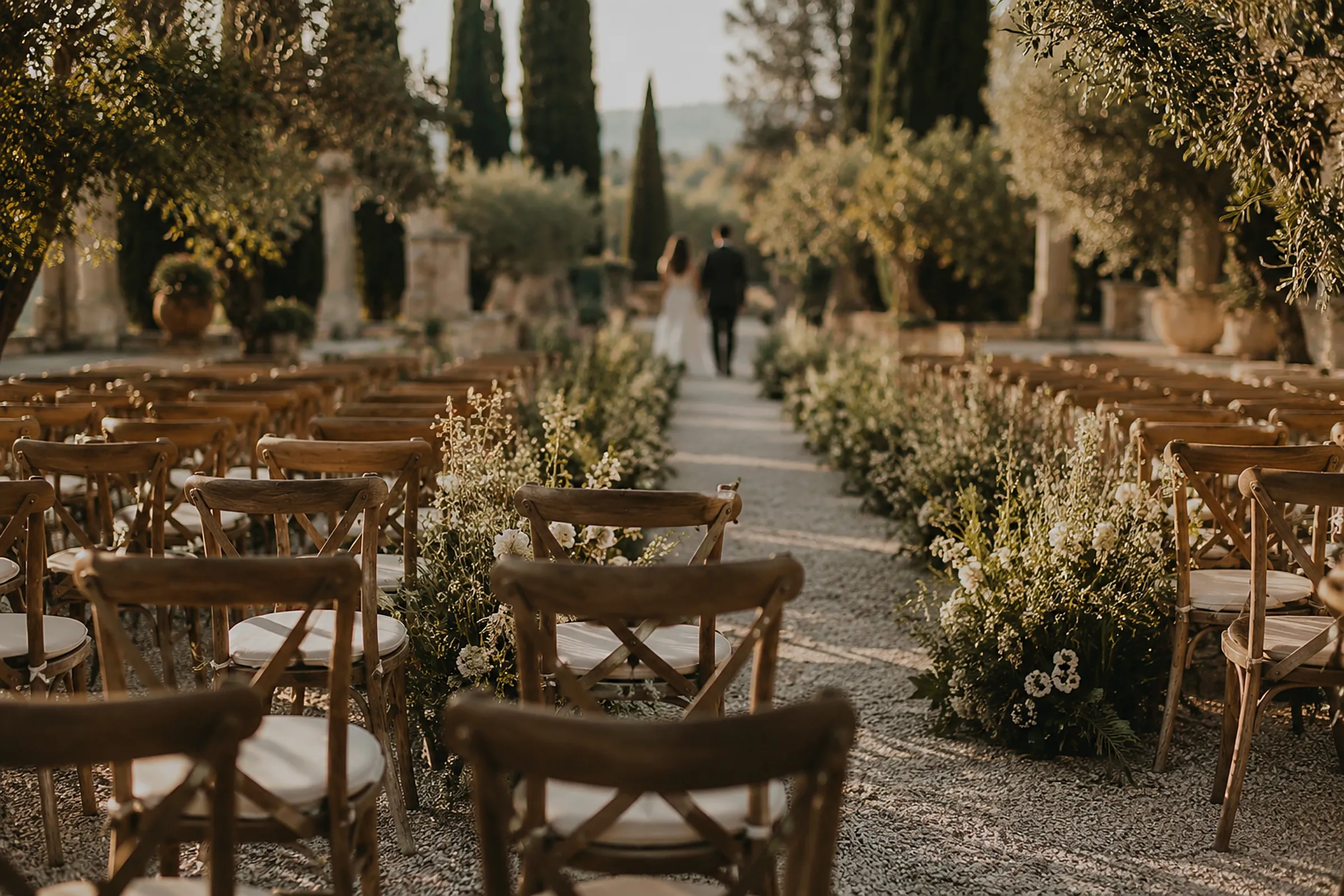
“What flowers should we have?” creates a catalogue. Try these questions instead; they lead to decisions with more life in them.
What should a guest notice first: scent, colour, movement, or shadow?
Choose one primary sensation and let the rest support it. A room does not need every volume turned up.
For Ishani and Cal it was shadow. The plants were there first, so the flowers had to work with the dark rather than against it, and that decided almost everything else, including the pale roses, which hold their shape in low light where deeper colours disappear. The cost was colour: the plum Ishani loved survived only in the anemones and in the wisteria the room already had.
Which hour are these flowers really for?
Morning flowers are not night flowers. Look at the planned light before choosing the planned palette.
Look at the hour the room will be full, not the hour you happen to visit it. A glasshouse at three in the afternoon is bright and hot; at nine at night it is a lantern. Some whites glow under warm lamps and some go grey. If you can, stand in the room once at the right hour before you decide.
What happens when the stems are no longer perfect?
Some flowers fade into another kind of beauty. Others simply look tired. Make the choice with the last hour in mind.
Roses that open too fast can still become a scented bowl in a corridor; hydrangeas that wilt rarely become anything but tired. If the flowers will stay up long after midnight, or go home with guests, choose stems that age with some grace, and ask your florist which those are in the season you have.
What part of the room needs a pulse, not a centerpiece?
A branch at the bar, a fragrance at the entry, a low meadow near the dance floor: these can hold more memory than a floral monument.
The quince at the head of the aisle cost more than any centrepiece, and it was the thing guests found their way by. The trade-off is real: money spent on one strong gesture is money not spent on every table, and some couples would rather every table were full. Both are honest choices. The useful part is making one on purpose.
Editorial note: A work of editorial fiction; people, places and makers are illustrative.
Filed under
This story is part of the permanent collection of Aura Stories — yours to return to, always.
The Issue
The Issue. Twelve weddings a year, in your inbox.
One dispatch a month — the weddings, the makers, the taste behind them. No spam, leave whenever you like.
The conversation
Comments
No comments yet. Be the first to write one.
Sign in to comment