A score for the unphotographed
The Listening Room does not contain a recording. It asks for a more personal kind of playback: the sounds a reader supplies from their own history.
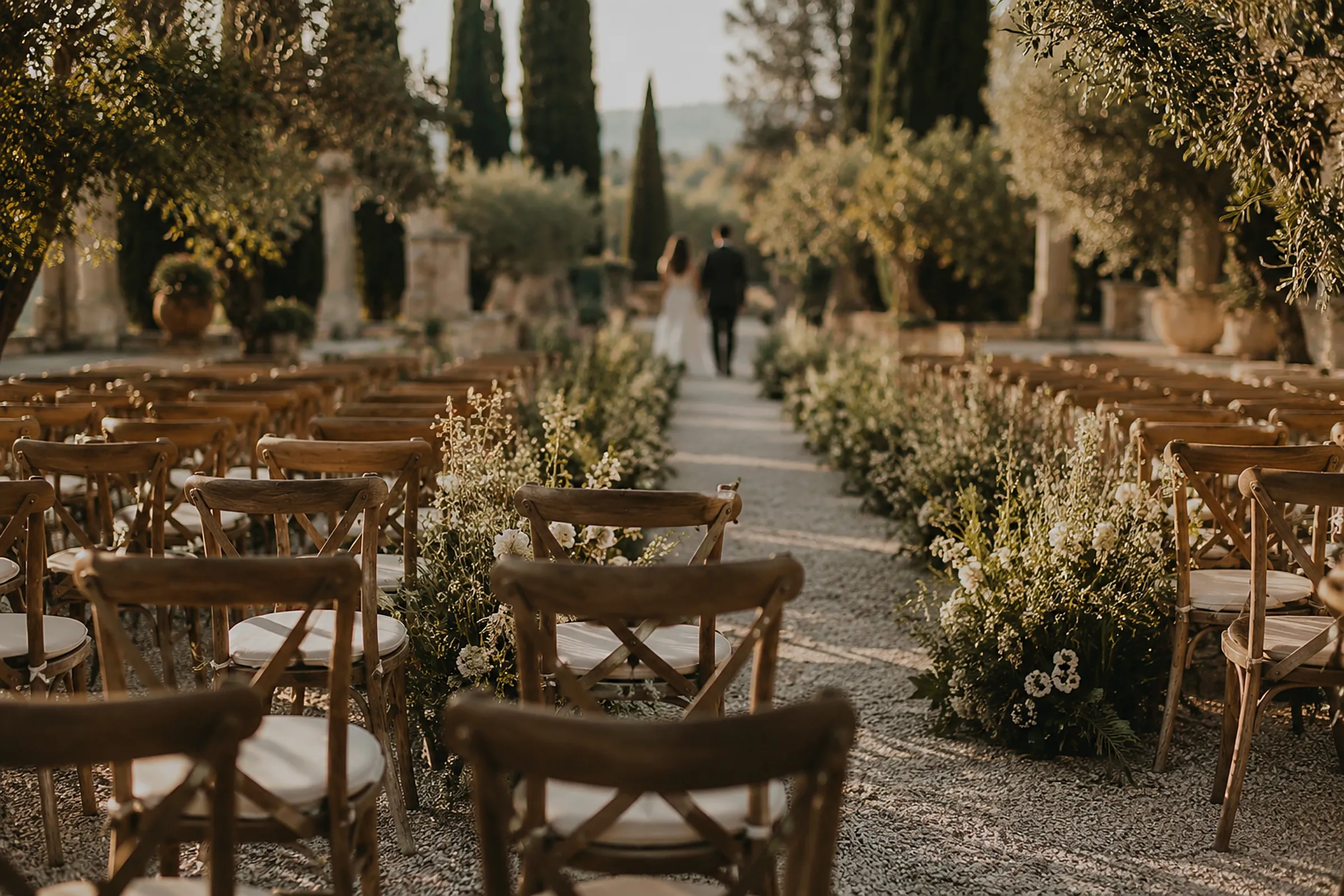
The Listening Room does not contain a recording. It asks for a more personal kind of playback: the sounds a reader supplies from their own history.
A visual sequence can borrow the grammar of sound without pretending to replace it. A red bar rises. A timecode advances. A word appears—Hush, Tune, Call, Gather, Remain—and the mind supplies the rest. This is not an invitation to make every wedding into a private soundtrack. It is an admission that sound is peculiarly resistant to capture. A photograph can show two people standing at a doorway. It cannot preserve the moment at which everyone behind them stops making new noise.
What comes into that gap is necessarily personal. One reader may hear a parent calling from another room. Another may hear the particular clink of glasses at a family dinner. Someone else may hear nothing pleasant at all: a ceremony in which they were lonely, a party from which they left early, a voice they miss. The sequence does not ask these memories to become beautiful. It asks them to become specific.
Five movements
Hush is not silence as luxury. It is the instant before a room discovers whether it can give attention without being forced. Tune is not about technical perfection. It is the social act of people adjusting to one another’s pace. Call is a name spoken in the language that made it intimate. Gather is the moment a body stops being an individual body and joins a shared count. Remain is the aftermath: all the sound that continues in memory when the actual room has emptied.
The words are deliberately spare because a wedding’s unphotographed sound is usually made of very small material. A finger tapping twice on a chair. The swallow before a speech. The sudden quiet that tells a child to look up. If these things are not documented, they are not lost. They are carried in the people who were present, often beyond the reach of explanation.
What a score can hold
A score is sometimes mistaken for the music itself. It is not. It is a set of instructions, marks and invitations that allows a group of people to meet a piece of time together. A wedding schedule can work in the same way when it is written with care. It can say: this is where the elder speaks without interruption; this is where the translation has room to arrive; this is where nobody fills the silence; this is where the crew need to move; this is where the couple may disappear for ten minutes and no one follows.
The visual sequence is our smallest version of such a score. It does not contain the right sound. It cannot. Its purpose is to make listening feel active again: not an aesthetic mood, but a way of noticing who is being asked to carry the room and who has been given the chance to be heard.
The sounds a wedding cannot document are often the ones that enter memory intact.
Editor's note: Read this alongside the visual sequence, with the sound off. The silence is part of the piece.
Filed under
This story is part of the permanent collection of Aura Stories — yours to return to, always.
The Issue
The Issue. Twelve weddings a year, in your inbox.
One dispatch a month — the weddings, the makers, the taste behind them. No spam, leave whenever you like.
The conversation
Comments
No comments yet. Be the first to write one.
Sign in to comment