A hotel lobby holds its breath.
The great city hotel does not insist that the wedding is the main event. It simply gives it somewhere superb to gather itself.
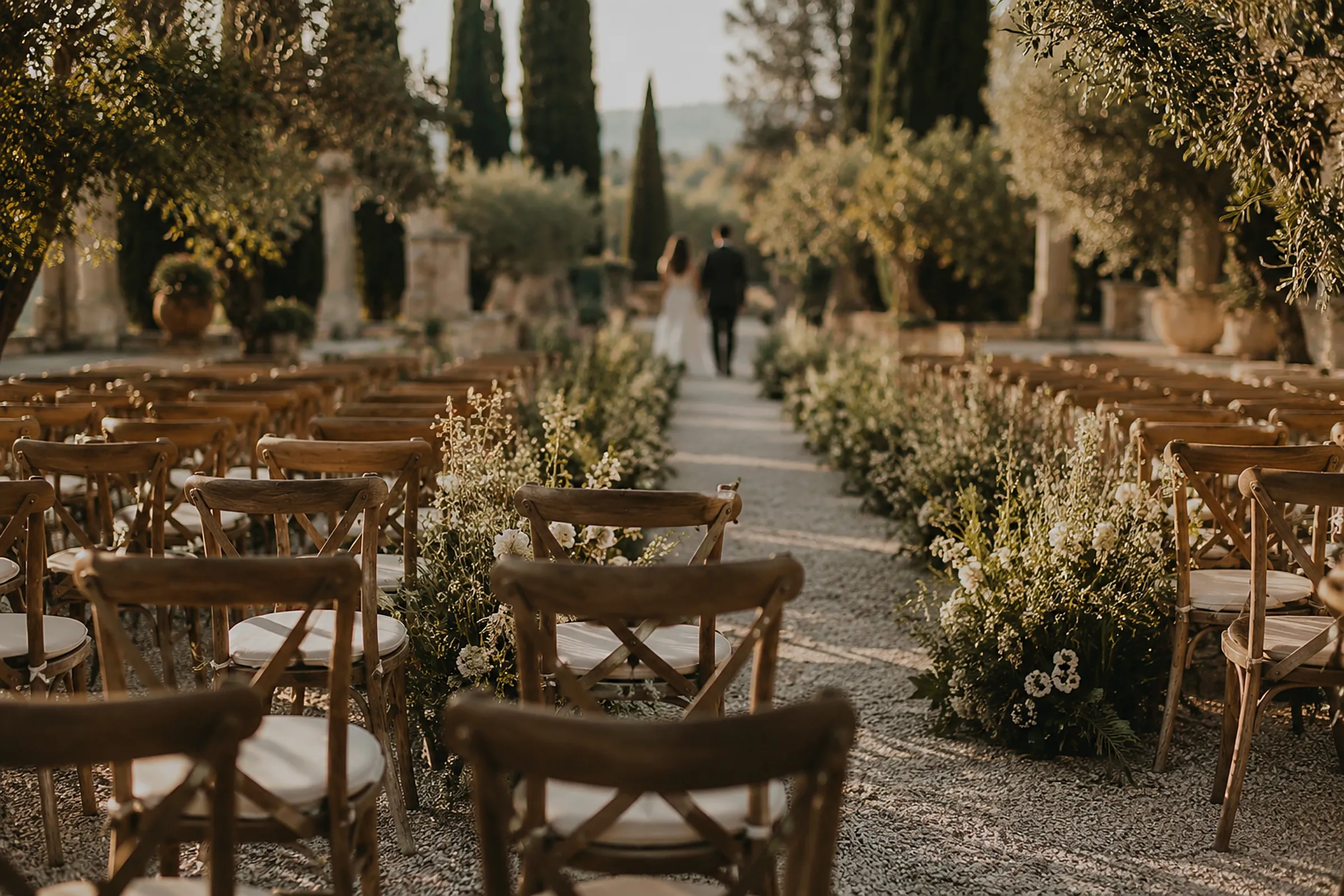
The great city hotel does not insist that the wedding is the main event. It simply gives it somewhere superb to gather itself.
By late afternoon, the lobby has become a soft machine for emergencies. A guest checks in too early and somehow finds an espresso. A boutonnière is pinned beside a revolving door. A grandmother sits in a perfect chair and becomes, without anyone asking, the center of the room. There is an art to choosing a hotel that knows how to host without requiring an audience.
The early guest is Leo’s cousin Felix, who came in on the overnight train and reaches the front desk at twenty to four with a rucksack, a suit in a bag and no room until six. The woman at the desk does not tell him to wait. She tells him where the cloakroom is, and that the bar will make him an espresso if he says he is with the wedding, and then, as an afterthought, that the washroom on the mezzanine has the better mirror. Felix comes back down twenty minutes later shaved, transformed and slightly overcaffeinated, and is put to work at once.
His work is the boutonnières. Odile has left them in a shallow box at the concierge desk, six sprigs and a tin of pins, and nobody in the wedding party knows how to fix one to a lapel without drawing blood. The concierge does. His name is Benedikt, and he pins all six beside the revolving door while the door goes on turning and delivering strangers into the warm: a woman with shopping bags, two men arguing pleasantly in a language Felix does not know, a child in a raincoat who stops and watches with great seriousness until the last flower is in place and Benedikt gives her a small bow.
Ida, meanwhile, has found the chair. It is a deep green armchair beside a column, with a good lamp and a clear view of the lift doors, and once she is in it nobody would think of sitting there. She has a glass of something and her handbag on her knee, and people come to her. Mags brings her a plate. Martin perches on the arm of the next chair and tells her about his call. Felix shows her his boutonnière, and she straightens it. Within the hour the wedding has a centre, and it is not the couple, who are upstairs with Priyanka and the light. It is an eighty-four-year-old woman in a lobby, holding court.
The useful hotel has a bar where people can arrive alone and still feel part of the scene. It has staff who understand the difference between a request and a crisis. It has a lift that makes the journey to a suite feel ceremonial, and a lobby floor forgiving enough for heels, suitcases, and spontaneous embraces.
A request, not a crisis
The difference is tested once. At half past five Mags discovers that the place cards, which were in a box, which was in a bag, which was certainly in the cab, are not in the cab. She goes to the bar to say so quietly, because the barman is the calmest person she has met all day. Rui has been polishing the same glass for some time. He listens to the whole thing, nods, and asks how many guests. Forty-two. He comes back with a stack of the hotel’s plain cream cards and a good pen and says that people generally prefer their names written by hand anyway. Mags writes forty-two names at the end of the bar in twenty minutes. Nobody at dinner knows the cards were ever lost. Several people keep theirs.
It is worth saying what the couple turned down to be here. In the spring they had looked at a function suite across town: a ballroom with no windows, a separate entrance, a private corridor from the kerb to the cake. It was beautiful and entirely sealed, and the woman showing them round promised that no one in the building would ever know there was a wedding on. Asha realised, standing in it, that this was exactly what she did not want. She wanted people to know. Not to watch, but to know, the way you know there is a party in a flat across the road because of the light.
Most of all, it has a public life. A wedding party passing through its doors should feel not secluded but set into the city’s bloodstream. Strangers at the bar will notice. Someone will hold the door. The lobby will go on being beautiful after you leave—and that makes the few hours it belongs to you feel less like ownership, more like luck.
At ten past eight the lift comes down and opens, and Asha and Leo step into the lobby together, married, in a public room for the first time. Ida does not get up, but she lifts her glass. A man at the bar in a work suit, who has been typing on a laptop for an hour, looks up, takes them in, raises his own glass by an inch and goes back to his email. Benedikt holds the revolving door still, which it turns out can be done. Then the wedding passes through and out to the waiting cab, and the lobby closes behind it like water, and goes on being beautiful for whoever comes next.
- The bar is good before guests arrive.
- The lift is worth waiting for.
- There is a corner that makes nobody pose.
Editorial note: A work of editorial fiction; people, places and makers are illustrative.
Filed under
This story is part of the permanent collection of Aura Stories — yours to return to, always.
The Issue
The Issue. Twelve weddings a year, in your inbox.
One dispatch a month — the weddings, the makers, the taste behind them. No spam, leave whenever you like.
The conversation
Comments
No comments yet. Be the first to write one.
Sign in to comment