The Dress Before the Dress
Before the fitting, the photograph, or the entrance: a study in patience, proportion, and the weight of silk.
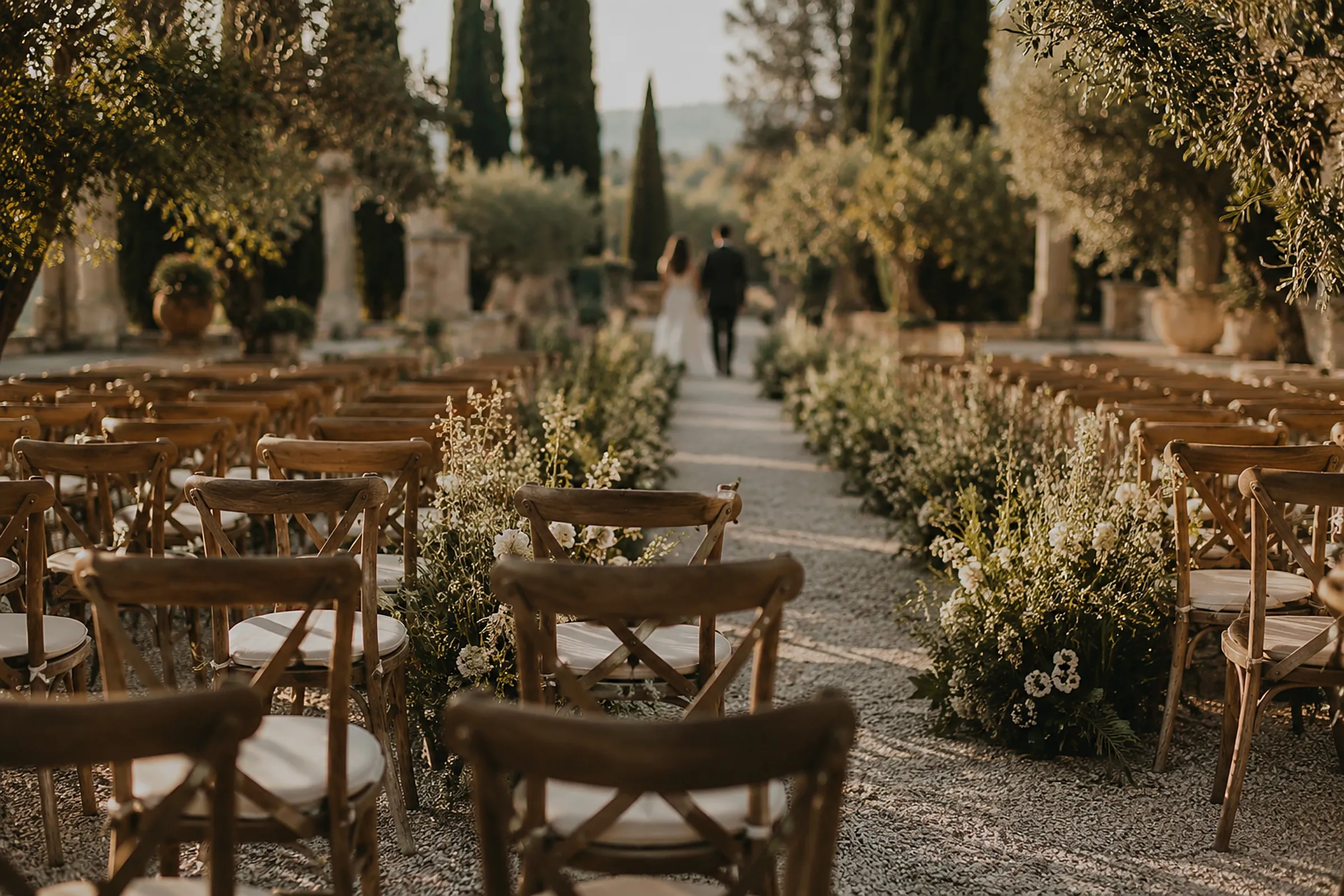
Before the fitting, the photograph, or the entrance: a study in patience, proportion, and the weight of silk.
We speak about wedding clothes as if they arrive at the final fitting. In truth, the dress begins long before the dress: in the first decision about weight, in the small argument between shine and softness, in the choice to make a border a little quieter so the person inside it can be seen.
At a loom, cloth is not yet symbolic. It is tension. Warp threads sit upright and under pressure; the weft passes through them, one measured movement at a time. The border is not merely applied decoration. It is a different density of work, often a different relationship to metallic thread, and it changes the way the fabric falls when it leaves the loom.
That is useful knowledge for anyone choosing ceremonial dress. A sari’s character is not only its colour. It is the pull of the border, the firmness of the body, the way the pallu gathers or releases at the shoulder. A fabric that photographs beautifully while standing still may become exhausting after a long dinner. A fabric with less surface drama may deepen magnificently when the sun drops and the first lamps come on.
The most compelling wedding clothes have an internal weather. They hold a little resistance, a little movement, a relationship to changing light. A garment can look entirely composed on a hanger and still only become itself when somebody crosses a room, sits down on the floor, lifts a child, or steps out into rain.
This is why craft is not an aesthetic footnote. Every decision at the loom has a consequence at the shoulder, at the wrist, in a photograph made ten hours into the day. Fine thread can make a colour seem to shift as it moves. A heavier border can give the hem authority, but it also asks more of the body carrying it. The best makers understand both things at once: the visual fact and the lived fact.
There is also the matter of scale. A motif that feels delicate at arm’s length can become busy in a crowded room. A blouse cut too tightly can turn a beautiful gesture into a guarded one. The most elegant fittings are not performed in front of a mirror alone. They include walking, sitting, lifting an arm, taking a deep breath, and imagining the weather at six in the evening.
For this reason, the useful fashion question is not only: what do I want to wear? It is: how do I want to move through this day? The answer may be a pomegranate silk with no need to announce itself. It may be a blouse cut to let someone eat, dance, and embrace without remembering the seams. It may be the confidence that a piece will gather character, rather than fatigue, as the hours accrue.
Clothes are often the first ceremony a person has with their wedding. They are also the last thing they take off. That intimacy deserves more attention than trend. It asks for attention to material, yes, but also to memory: a familiar colour, an inherited proportion, a gesture that feels like home.
- Material before moodboard. Begin with a fabric’s weight and recovery. Fold it. Unfold it. Hold it by a window. Ask what it does after an hour in the body, not only what it does in the first photograph.
- Border as architecture. In a draped garment, a border can steady the edge, lengthen the line, and alter how the cloth returns to the body. More ornament is not always more presence; proportion does the harder work.
- Movement before silhouette. The most useful fitting includes stairs, sitting on the floor, a long embrace, a meal, rain, and an arm lifted above the head. A wedding garment should be allowed to have a real day.
- Memory before novelty. A piece becomes more contemporary, not less, when it holds a personal reference without turning into costume: a family colour, a familiar weave, the proportion of a grandmother’s sleeve.
Editorial disclosure: Original editorial fiction; the people and makers are illustrative, not verified credits.
Filed under
This story is part of the permanent collection of Aura Stories — yours to return to, always.
The Issue
The Issue. Twelve weddings a year, in your inbox.
One dispatch a month — the weddings, the makers, the taste behind them. No spam, leave whenever you like.
The conversation
Comments
No comments yet. Be the first to write one.
Sign in to comment