A House for Four Evenings
What changes when a family wedding is allowed to behave like a home, not a production?
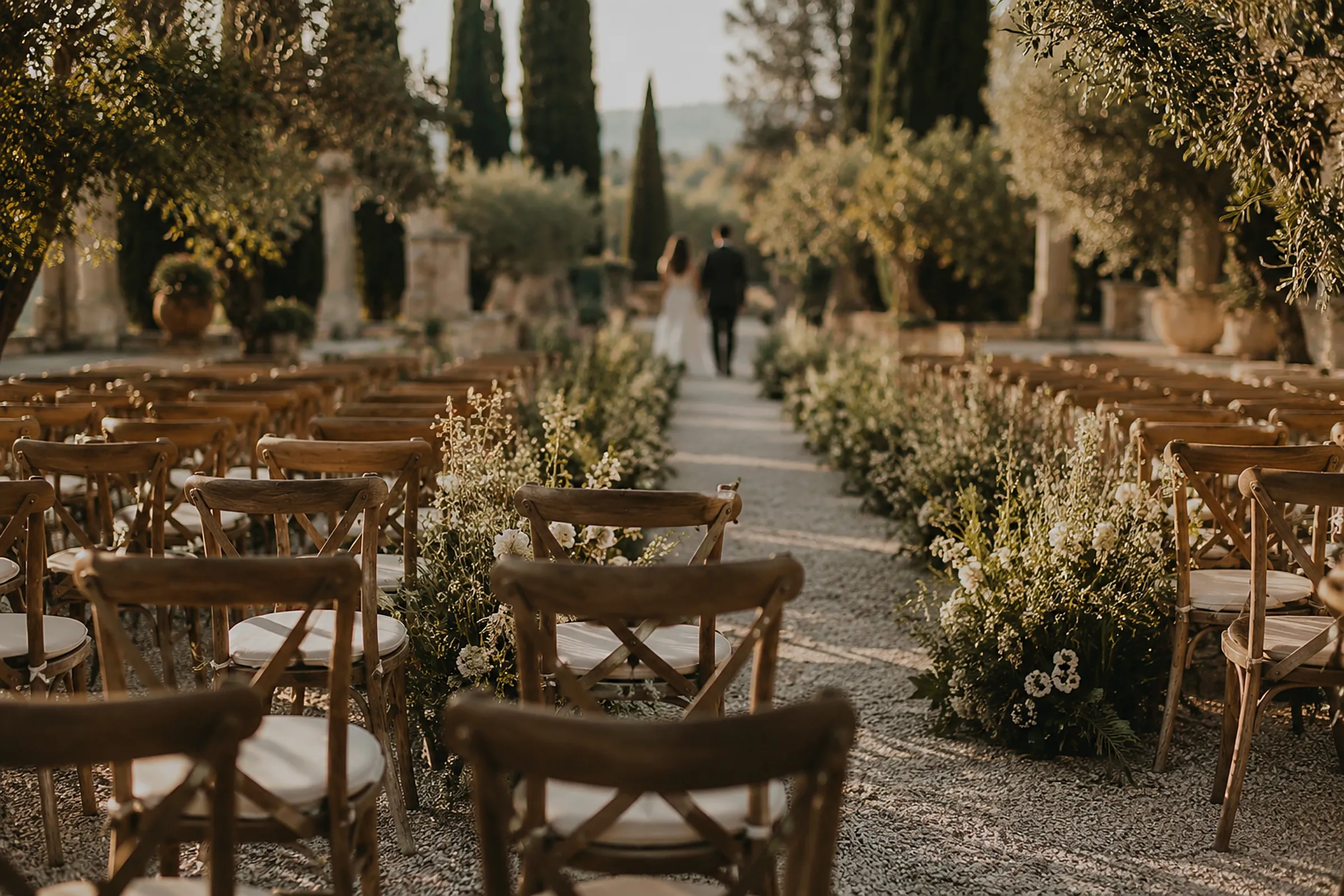
What changes when a family wedding is allowed to behave like a home, not a production?
The smallest invitation to a wedding is not the card. It is the door left open before anyone arrives.
In the late afternoon, the old Jaisalmer house held the day’s heat in its walls. The front door was propped with a brass pot. Inside, someone had lined up shoes in pairs beneath the narrow staircase, though the line broke down within an hour. A tray of salted lime sat on the kitchen counter. The courtyard smelled of stone, fried cumin, and the dust that comes just before evening.
For four nights, this courtyard became the entire logic of a celebration. The family did not build a new world on top of the old house; they leaned into what was already there: a low parapet where children could perch, a passage too narrow for a grand entrance, a window seat that became the preferred place for anyone over seventy. Every limitation turned out to be a form of direction.
The first evening was a welcome meal, though nobody called it that. People kept standing at the threshold, turning back to make room for one more person arriving from the station. Tea was poured into small glasses and cooled too fast in the desert air. An older cousin brought out an album with tissue-paper sleeves, and within minutes the courtyard was full of stories nobody had intended to tell.
The house made a useful demand as the days went on. It refused the idea that each moment had to compete with the last. There was no vast reception room to fill, no empty lawn that required a spectacle to explain itself. A few lengths of hand-painted cloth stretched across the open sky. Cushions made islands near the walls. Meals moved from threshold to threshold as the light changed.
That change of scale altered the social life of the wedding. A conversation could pause without being swallowed by music. A child could fall asleep behind a cushion pile without becoming a logistical concern. Someone could leave a shawl on the back of a chair and know, because everyone was still passing through the same small space, that it would be there two hours later.
On the third evening, when the ceremony began, the courtyard had already done the most important work. It had given everyone a sense of where they belonged. There was no separate audience and no dramatic reveal. There were only people finding the corners they had been using all week, now looking toward the same small centre. The blue hour arrived over the sandstone walls. A bird moved across the strip of sky above the canopy. Then the vows began.
The result was not minimalism. It was density without noise: a wedding with enough ceremony to feel marked and enough domestic life to feel believed. The house did not make the event smaller. It made every gesture legible.
By the fourth evening, the cloth above the courtyard had softened in the heat and the lamp glass had a fine film of dust on it. There were fewer flowers in the bowls. The formal work was finished. What remained was dinner for the people who had helped make it—the ones who had pinned, carried, remembered, waited. The courtyard no longer looked styled. It looked inhabited. That may be the more difficult achievement.
The open house
Tea, old photographs, a small welcome meal—and no attempt to call it an event.
The long supper
Food moved through the courtyard in courses; the conversation had no need to move at all.
The ceremony
A single canopy, a close circle, and the blue hour gathering above the walls.
The last lamp
The formal work was finished. What remained was an evening for everyone who had helped make it.
Editorial disclosure: Original editorial fiction; the house, place, family, and event are illustrative.
Filed under
This story is part of the permanent collection of Aura Stories — yours to return to, always.
The Issue
The Issue. Twelve weddings a year, in your inbox.
One dispatch a month — the weddings, the makers, the taste behind them. No spam, leave whenever you like.
The conversation
Comments
No comments yet. Be the first to write one.
Sign in to comment