A name for the air.
When Hana and Eli begin writing vows, the difficult word is ‘family.’ Their ceremony becomes a place to define a future without pretending either past is simple.
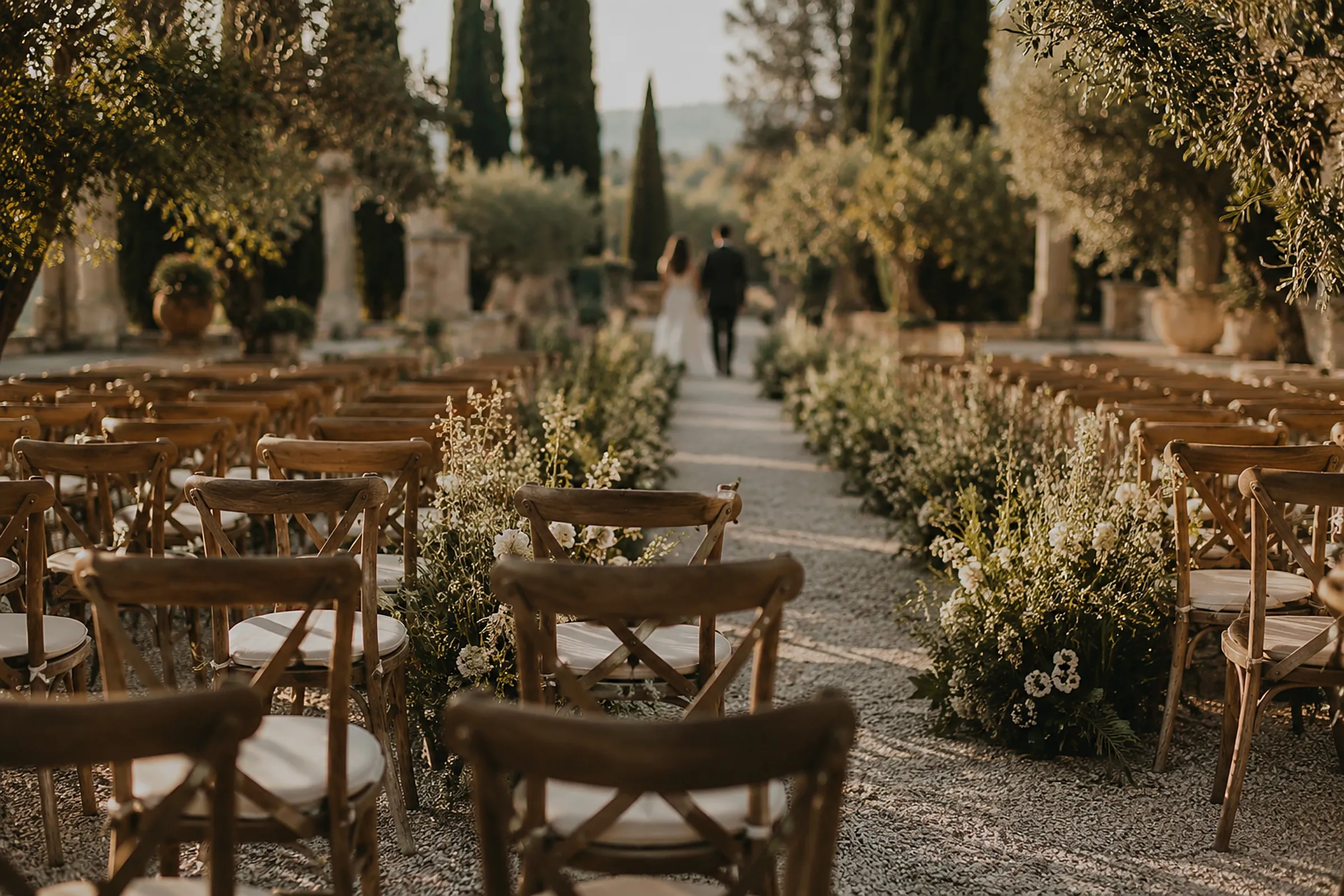
When Hana and Eli begin writing vows, the difficult word is ‘family.’ Their ceremony becomes a place to define a future without pretending either past is simple.
Hana stopped at the word ‘family’ on a Wednesday night in the kitchen. They were reading draft vows aloud because their officiant had asked them to identify the promises they could actually make. Eli had written, ‘I promise to build a family with you.’ Hana put down the page. ‘It is not that I do not want one,’ she said. ‘It is that the word always arrives already furnished.’ In her family, family meant obligation before feeling: regular calls, a key to the house, an expectation that certain decisions were discussed before they were made. In Eli’s, family was a warmer but more evasive word—people loved one another fiercely, then failed to speak about the things that hurt.
The question of surnames had already exposed the mismatch. Hana did not want to take Eli’s name. She did not want to keep hers unchanged either, because it belonged to a father with whom she had stopped speaking and to a professional identity she had built with difficulty. Eli suggested a hyphen. Hana said a hyphen was not a philosophy. Her mother asked whether refusing the family name was a rejection of everyone who had carried it. Her father sent no opinion, only a message that read, ‘You will regret making a political statement out of your wedding.’ The more people called the choice symbolic, the harder it became to explain that symbols are often where practical power hides.
They spoke to their officiant, who did not offer a script. She asked where names would appear: on legal documents, on invitations, in introductions, in the years after the wedding when people made assumptions. She asked whether the couple wanted a shared name, two unchanged names, or a newly chosen way of being addressed that did not need to solve every administrative question. Most importantly, she asked them to distinguish an audience’s desire for clarity from their own need for time. It was a useful distinction. Hana and Eli were not required to make one public act carry every future decision.
Vow draft — ‘We will not ask one another to call harm normal for the comfort of a room.’
They chose to use their existing names for legal purposes and to introduce themselves at the ceremony as Hana River and Eli Santos: River was Hana’s grandmother’s name, used by her family before a marriage had narrowed it; Santos was Eli’s. The pairing did not create a new legal unit. It created an address for the life they were building in common. Hana’s mother did not like it at first. She said it made the family sound edited out. Hana told her that the opposite was true: her grandmother’s name had been there all along, and she wanted it heard without erasing anyone else.
The vows became more specific because the couple refused an easy abstraction. They promised to ask before assuming. To tell the truth before a story hardened into a version nobody could question. To make room for the people who had shown up, and to be honest about the people who had not. They did not declare that love would heal everything. They declared that they would not ask one another to call harm normal for the comfort of a room. The language was quiet enough that no one applauded in the middle. Afterwards, Hana’s mother asked for a copy. Not to approve it, she said. To read it again when she had more time.
At the reception, Hana’s aunt used the new pairing in a toast and got it wrong once. Hana corrected her gently. Later, Eli’s older brother asked whether the name would confuse the children, a question that made Hana laugh because it arrived dressed as concern. The answer was not that children are indifferent to names. They are not. The answer was that a child can inherit clarity about how choices were made, rather than an unexamined rule. The couple placed a small card beside the guest book with a prompt: ‘What name, phrase, or ordinary saying do you want to keep alive?’ The responses were uneven, funny, tender, and sometimes too personal. They were not a new tradition. They were evidence that language already moves through a family in more than one direction.
The card that affected Hana most came from her mother. She wrote only her grandmother’s full name, including the name she had used before marriage. Hana had not known it. The next day, her mother said she had been afraid of making a sentimental gesture out of a difficult subject. Hana said it did not have to settle anything. It simply needed to be legible. They added the name to a folder beside the ceremony text, not as a claim that the past had been repaired, but as a record that someone had chosen not to let it be simplified again.
A name can be a container, a bridge, a document field, a wound, a sound made by someone who loves you, or all of those at once. The couple left their choice open to revision. That too was a promise: not that they would always agree, but that they would recognise change as part of the life they were building rather than evidence that the earlier choice had failed.
Stories: original fictional composites by Aura Stories. Characters, households, rituals, and objects are invented to explore specific choices without claiming a real family’s history.
Filed under
This story is part of the permanent collection of Aura Stories — yours to return to, always.
The Issue
The Issue. Twelve weddings a year, in your inbox.
One dispatch a month — the weddings, the makers, the taste behind them. No spam, leave whenever you like.
The conversation
Comments
No comments yet. Be the first to write one.
Sign in to comment