A house with two front doors.
A family home carries photographs, habits, and an expectation about where a wedding should begin. Mateo and Ari do not reject it; they decide how much authority a house should have over a life.
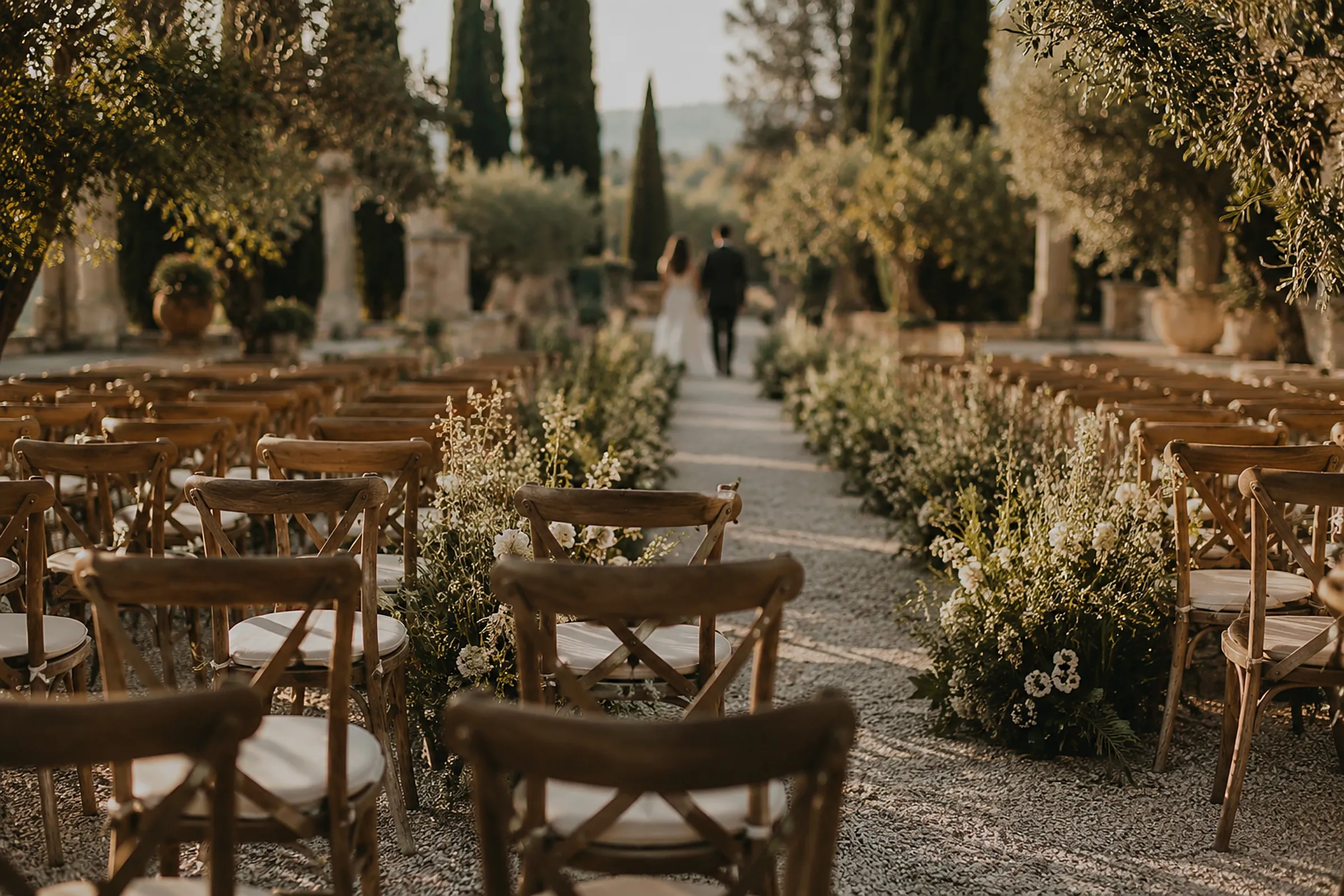
A family home carries photographs, habits, and an expectation about where a wedding should begin. Mateo and Ari do not reject it; they decide how much authority a house should have over a life.
No. 24 had acquired its authority by repetition. Mateo’s grandparents had lived there first, then his parents. His older sister had left for her wedding from the upstairs room with the bay window; photographs recorded the moment in three different decades, each bride standing under the same heavy curtain. The family referred to it simply as ‘the house,’ as though no other property could deserve the noun. It was brick, narrow, impeccably maintained, and full of evidence that someone had been expected to return. Wedding toppers from four generations stood in a glass cabinet. A spare key hung beside the phone. There were framed school photographs of people who were now in their fifties but still looked, in the frames, as if they might be called down for dinner.
Mateo loved the house. He also knew what it had made difficult. His father’s moods filled the dining room before he entered it. His mother kept every surface immaculate because disorder had once meant something more than clutter. His sister had married from the house because she wanted to, and because she had not yet learned there was another option. When Mateo and Ari said they wanted a small civil ceremony downtown and a larger party in a former dance hall, his parents heard an accusation. ‘We have always married from this house,’ Mateo’s mother said, not raising her voice. The sentence held decades of labour: curtains washed, meals made, people accommodated after bad news. It also held an instruction.
Ari’s instinct was to refuse the instruction cleanly. They had spent enough of their relationship doing diplomatic work for other people’s discomfort. Mateo asked for time. Their disagreement was not about whether the house mattered. It was about what a compromise would cost. Ari did not want an arrangement in which the family home remained the official beginning and everything else became an afterthought. Mateo did not want to treat his mother’s offer of the garden as manipulation when it was also, genuinely, an offering. They wrote down what each of them wanted the day to feel like: spacious, unforced, legible to friends who had never met the family, and free of the sense that one household had hosted the other as a guest.
Threshold note — A place can be honoured for what it has held without being asked to host the whole life now being celebrated.
The solution began with a door rather than a venue. On the wedding morning, twelve family members came to No. 24 for tea, a short reading, and the exchange of two objects: Mateo’s grandmother’s small brass key and a photograph of Ari with the neighbours who had raised them after school. The guest list was limited not because family was more important than friends, but because the house could hold a particular kind of intimacy without trying to stand in for the whole celebration. In the garden, Mateo’s mother read a few sentences about the people who had lived there. Ari read a few sentences about the people who had made them feel at home in rented rooms, shared flats, and other people’s kitchens.
Then the couple walked out through the front door together. The key went into a blue envelope. The photograph went into Mateo’s jacket pocket. At the dance hall, they placed both objects on a small table near the entrance. The signage was simple: one arrow read ‘from the house’; another, ‘into the room.’ It avoided the sentimental idea that they were leaving one home for another. They were naming a movement between places that had made them, and giving guests a way to understand it without choosing a side.
Mateo’s father still complained about the parking. His mother cried when she saw the garden chairs empty after everyone left. Ari’s aunt arrived early at the dance hall and hung the blue envelope on a nail because she thought it looked lonely on the table. None of this resolved the family’s deeper habits. But the day did not require resolution in order to be true. It gave the house a role precise enough to be honoured and limited enough not to dominate. For couples dealing with a loaded family home, precision can be kinder than either compliance or theatrics. Decide what the place can hold. Decide what it cannot. Let the ceremony mark that boundary as part of the welcome.
Two months later, Mateo’s mother sent Ari a photograph from the garden: the chairs, the old hydrangea, the blue envelope visible on the table before everyone left. Ari kept it, partly because the frame had cut off Mateo’s father, partly because it showed that his mother had understood the room as a room in its own right, not a failed version of the reception. The house had not become uncomplicated. It had become one location in a larger map of belonging.
The two-door ritual stayed small. Mateo’s sister used a version of it at a later family birthday, inviting relatives through the front and friends through the garden. It did not become an inherited obligation. That was its value. A useful ritual is a tool people can adapt, not a script they must repeat to prove they remember who gave it to them.
Stories: original fictional composites by Aura Stories. Characters, households, rituals, and objects are invented to explore specific choices without claiming a real family’s history.
Filed under
This story is part of the permanent collection of Aura Stories — yours to return to, always.
The Issue
The Issue. Twelve weddings a year, in your inbox.
One dispatch a month — the weddings, the makers, the taste behind them. No spam, leave whenever you like.
The conversation
Comments
No comments yet. Be the first to write one.
Sign in to comment